







Why Do Parks Close During Monsoon?
The annual monsoon shutdown, typically from June/July to September/October, is a standard and essential practice across most of India's national parks. There are three main reasons for this. Firstly, it is a critical breeding season for many animal species,
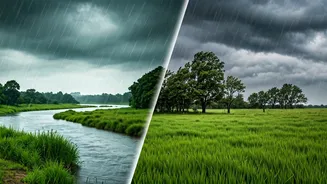
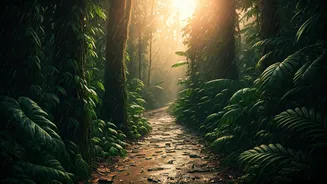
and closing the parks minimizes human disturbance. Secondly, heavy rains can make the unpaved forest tracks impassable and unsafe for safari vehicles. Lastly, the break allows the forest to regenerate naturally and gives park authorities time to carry out necessary maintenance and repair work on roads and infrastructure before the next tourist season begins.
The Key: Core vs. Buffer Zones
The secret to a monsoon safari lies in understanding the structure of a tiger reserve. Parks are generally divided into two main areas: the core zone and the buffer zone. The core is the central, most protected part of the forest, designated as a critical wildlife habitat with minimal human intervention allowed. The buffer zone surrounds the core, acting as a transitional area between the pristine forest and human settlements. While most core zones are strictly closed to all tourism during the monsoon, many parks keep specific gates and routes within their buffer zones open for safaris.
Which Parks Offer Monsoon Safaris?
While many famous parks shut down completely, several premier destinations offer limited monsoon access. In Rajasthan, Ranthambore National Park keeps zones 6 through 10 open, which are part of its buffer area. In Maharashtra, Tadoba-Andhari Tiger Reserve is a popular monsoon choice, with safaris continuing in its buffer zones like Moharli and Kolara. Jim Corbett National Park in Uttarakhand also keeps buffer zones such as Jhirna, Dhela, and Sitabani accessible for jeep safaris, even while core areas like Dhikala are closed. Down south, parks like Nagarhole (Kabini) in Karnataka and Periyar in Kerala remain excellent monsoon destinations due to their unique river systems and consistent accessibility.
The Magic of a Rain-Soaked Jungle
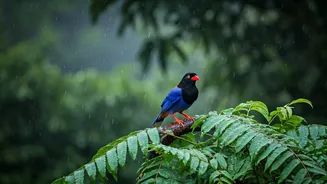
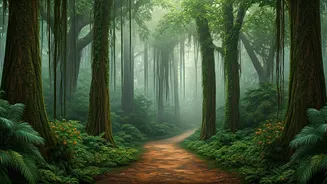
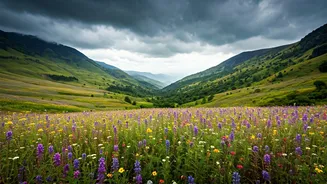
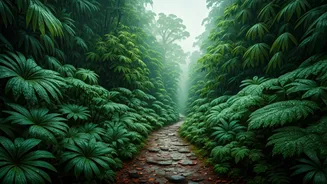
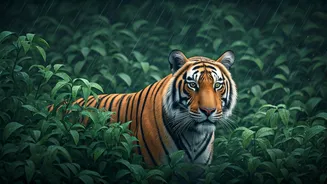
A monsoon safari is a completely different experience from a dry-season trip. The entire landscape transforms into a vibrant, emerald paradise. The air is fresh, the skies are dramatic, and the forests are devoid of the usual tourist crowds, offering a more peaceful and intimate connection with nature. While the dense greenery can sometimes make spotting tigers more challenging, the experience is about more than just the big cats. The forests are alive with the sounds of rain, bird activity increases, and you get to witness the jungle in its most rejuvenated state. For photographers, the soft light and lush backdrops create stunning opportunities.
Essential Planning for Your Trip
If you're planning a monsoon safari, flexibility and preparation are key. Always check the official website of the national park for the most current information on which zones are open, as closures can happen at short notice due to extreme weather. Booking your safari permits well in advance is crucial, as the number of vehicles allowed may be limited. Pack waterproof clothing, protective gear for your camera, and be prepared for the possibility of safari cancellations if the rains are exceptionally heavy. Many hotels and resorts near the parks offer significant discounts during this 'off-season', making it a budget-friendly time to travel.