

A Search for Authenticity and Identity
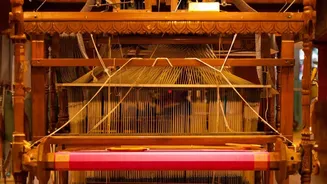
In a world saturated with mass-produced goods, younger generations are seeking uniqueness as a form of self-expression. They are moving away from the anonymous, homogenous nature of fast fashion and towards clothing that tells a story. Each handloom piece,
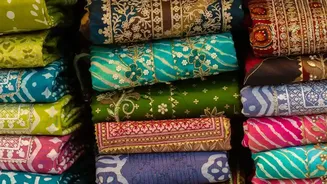
with its subtle imperfections and regional motifs—be it the intricate geometry of Pochampally Ikat or the delicate florals of Chikankari—offers a distinct identity that a factory-made garment cannot replicate. Wearing these textiles has become a statement of cultural pride and a way to connect with a rich heritage in a globalised world. This shift represents a deeper desire for products with soul and a narrative, turning a simple purchase into a personal and cultural statement.
Sustainability as a Core Value
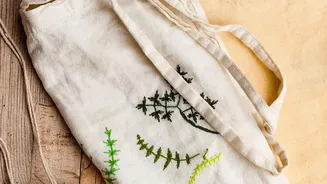
For today's environmentally conscious shopper, particularly Gen Z, sustainability is no longer a niche concern but a fundamental expectation. The fast fashion industry is known for its heavy environmental footprint, from water consumption to textile waste. In stark contrast, traditional handloom production is inherently sustainable. It relies on natural, biodegradable fibres like cotton and silk, uses minimal electricity, and often employs natural dyes. This low-energy, eco-friendly process strongly appeals to young consumers who are increasingly aware of their environmental impact and are willing to invest in products that align with their values. Choosing handloom is seen as a responsible choice that counters the disposable culture of fast fashion.
The Power of Digital Storytelling
Social media has played a transformative role in this revival. Platforms like Instagram have become virtual marketplaces and storytelling canvases, connecting artisans directly with urban consumers. Through compelling visual content like Reels and Stories, weavers and direct-to-consumer brands can showcase the intricate craft processes, share the stories of the artisans, and highlight the cultural significance behind each textile. This digital bridge bypasses traditional intermediaries, allowing for greater transparency and ensuring artisans receive a fairer share of the profits. Consumers are no longer just buying a product; they are engaging with the creator and their story, fostering a sense of connection and community that strengthens brand loyalty.
Modern Designs and Contemporary Appeal
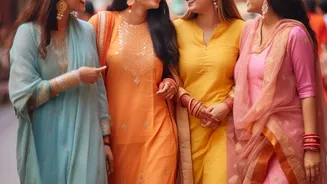
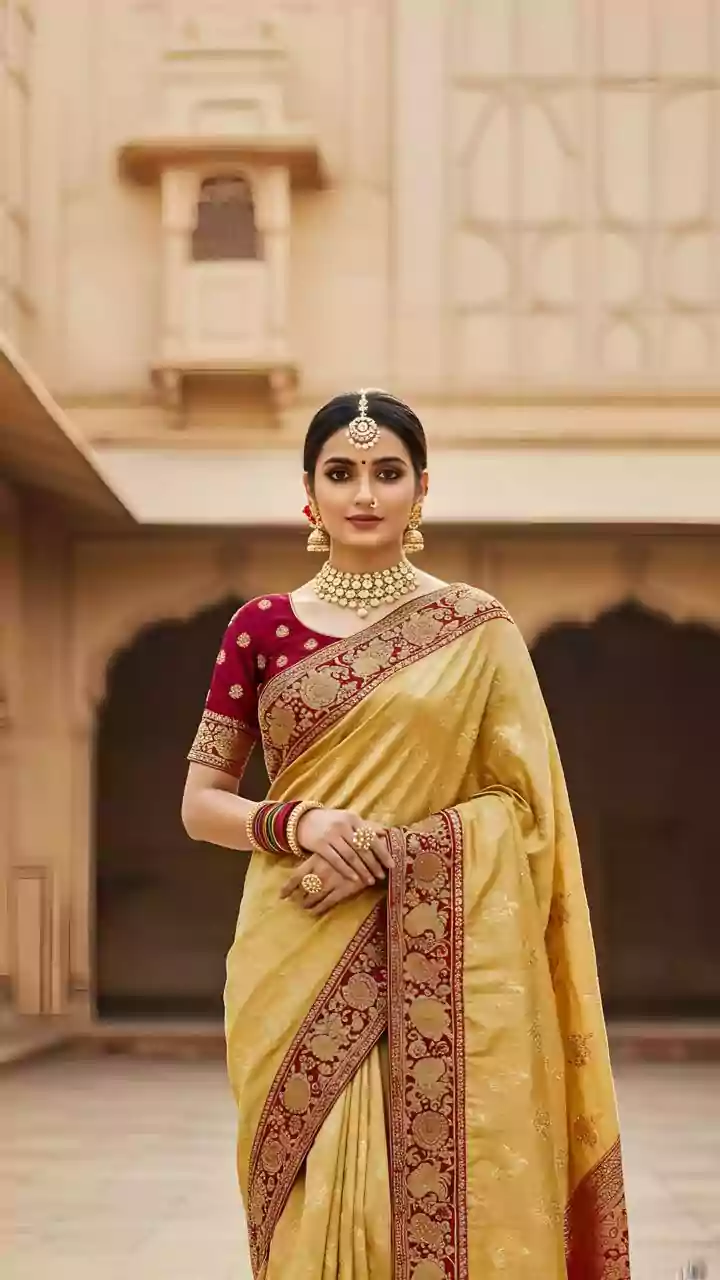
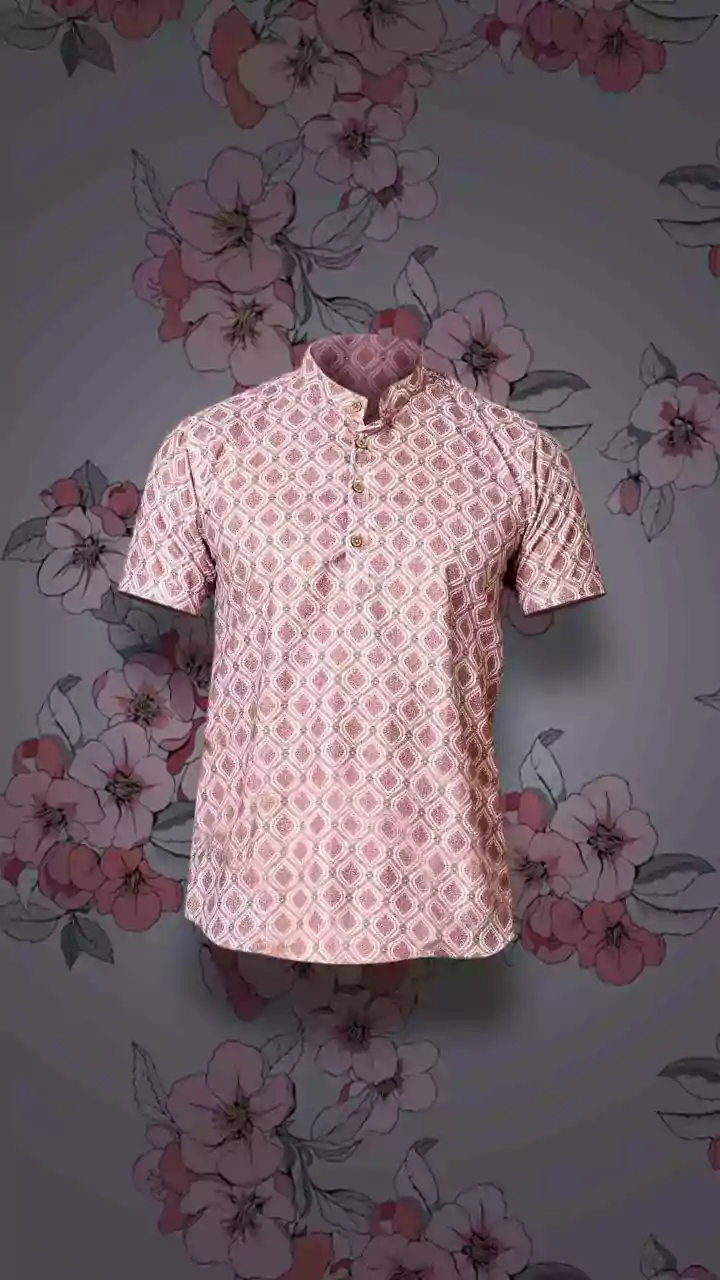
The resurgence of regional textiles is not purely about preserving tradition; it is also about innovation. Designers are creatively blending age-old techniques with modern silhouettes to appeal to contemporary tastes. Traditional fabrics like Chanderi, Khadi, and Banarasi silk are being fashioned into trendy jackets, dresses, and co-ord sets. This fusion of heritage crafts with modern design makes handloom textiles versatile and relevant for a new generation of fashion enthusiasts. It proves that traditional weaves can be both timeless and stylish, fitting seamlessly into a modern wardrobe without feeling like historical costumes.
Empowering Artisan Communities
This growing demand has a profound economic impact on rural India. The handloom sector is the country's second largest source of employment after agriculture, supporting millions of households, with women comprising a significant portion of the workforce. By choosing to buy handwoven products, consumers directly contribute to the livelihoods of these skilled artisans, helping to preserve endangered crafts and foster sustainable economic growth in rural communities. This trend is not just about fashion; it's a movement that empowers artisans, particularly women, giving them financial independence and a renewed sense of pride in their ancestral skills.