




From Afterthought to A-List Affair
The journey of Hollywood dubbing in India has seen a dramatic transformation. What started in the 90s with films like 'Jurassic Park' as a functional, often clumsy, effort to reach a wider audience has evolved into a sophisticated, high-stakes enterprise.
In the past, poorly translated scripts and generic voiceovers often created unintentional comedy, making dubbed versions a compromised experience. Today, Hollywood studios treat the dubbing process as a crucial component of a film's release strategy. The goal is no longer just translation, but seamless integration that makes a foreign film feel local and authentic. This shift involves significant investment in script adaptation, top-tier sound engineering, and a creative process that prioritizes cultural resonance over literal, word-for-word accuracy. The result is a product that stands on its own, often becoming the preferred viewing choice for a vast segment of the Indian audience.
The Billion-Rupee Calculation
The primary driver behind this quality revolution is economics. India is one of the world's most significant film markets, and its appetite for Hollywood's large-scale spectacles is growing. However, to move beyond the English-speaking metros and tap into the immense potential of Tier-2 and Tier-3 cities, high-quality local language versions are essential. The box office numbers speak for themselves. Dubbed versions are frequently responsible for a massive chunk of a Hollywood film's earnings in the country. For instance, the dubbed versions of 'The Jungle Book' contributed to 58% of its total Indian collections. As recently as August 2026, 'Spider-Man: Brand New Day' shattered records, becoming one of the highest-grossing Hollywood films ever in India, a feat powered by its widespread appeal in multiple languages. This financial success has proven that investing in quality dubbing isn't a cost but a crucial investment for maximizing reach and revenue.
The Power of a Familiar Voice
A key strategy in elevating the dubbed release has been the involvement of major Bollywood and regional stars. Hiring a well-known actor to voice a beloved character creates an instant marketing hook and lends immense credibility. When Shah Rukh Khan and his son Aryan Khan voiced Mufasa and Simba in the Hindi version of 'The Lion King', it became a cultural event. Similarly, Ranveer Singh's energetic and irreverent performance as the voice of Deadpool in 'Deadpool 2' was widely praised for capturing the essence of the character for a Hindi-speaking audience. Other notable examples include Varun Dhawan as Captain America, Tiger Shroff as Spider-Man, and Aishwarya Rai Bachchan for 'Maleficent'. This practice transforms the dubbed version from a mere copy into a unique product with its own star appeal, driving audiences to theatres specifically to hear their favourite stars in these iconic roles.
More Than Translation, It's Transcreation
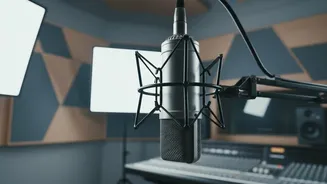
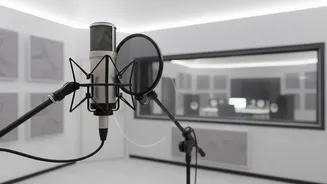
The art of modern dubbing lies in a process known as "transcreation." Scriptwriters and dubbing directors no longer aim for literal translation, which often fails to capture humour, idioms, and cultural references. Instead, they adapt the dialogue to make it resonate with local sensibilities. A joke that works in English might be completely rewritten to land effectively in Hindi or Tamil. This requires a deep cultural understanding to ensure the new dialogue maintains the original scene's tone and intent. The goal is to make the experience feel so natural that the audience forgets they are watching a dubbed film. This meticulous process involves adapting everything from casual banter to emotional punches, ensuring the core of the story connects with viewers on a personal level, a challenge that requires both linguistic skill and creative finesse.
The Audience Demands Quality
In the age of social media, audiences have become vocal critics. A bad dub is quickly identified, ridiculed, and turned into memes, which can severely damage a film's reputation. Conversely, a well-executed dub receives widespread praise, generating positive word-of-mouth that boosts ticket sales. This public feedback loop has put pressure on studios to raise their standards. Viewers' expectations have evolved; they are no longer satisfied with a subpar product. They want the same high-quality cinematic experience as those watching the original English version. As streaming services like Netflix also push for higher standards in their localization guidelines, the demand for quality has become the industry norm. This discerning audience has been a powerful force in pushing Hollywood to respect the Indian market not just for its size, but for its sophistication.