


A World Washed Anew
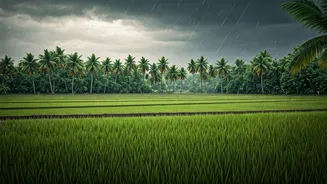
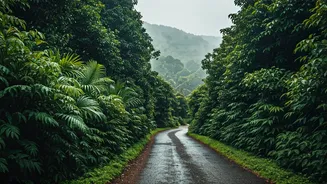
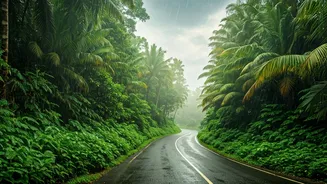
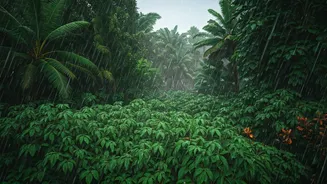
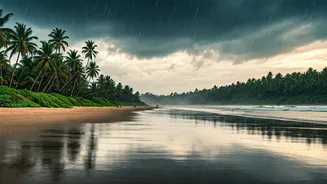
The period between June and September transforms Kerala into a breathtaking spectacle. [19] The summer's heat gives way to refreshing showers that rejuvenate the entire landscape. [7] The famed backwaters of Alleppey and Kumarakom swell, their canals
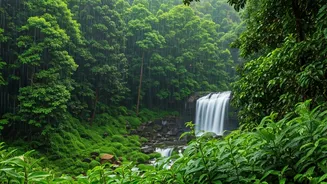
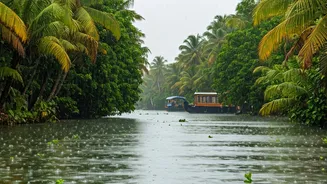
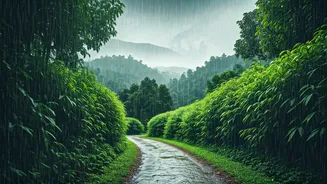
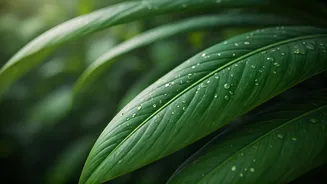
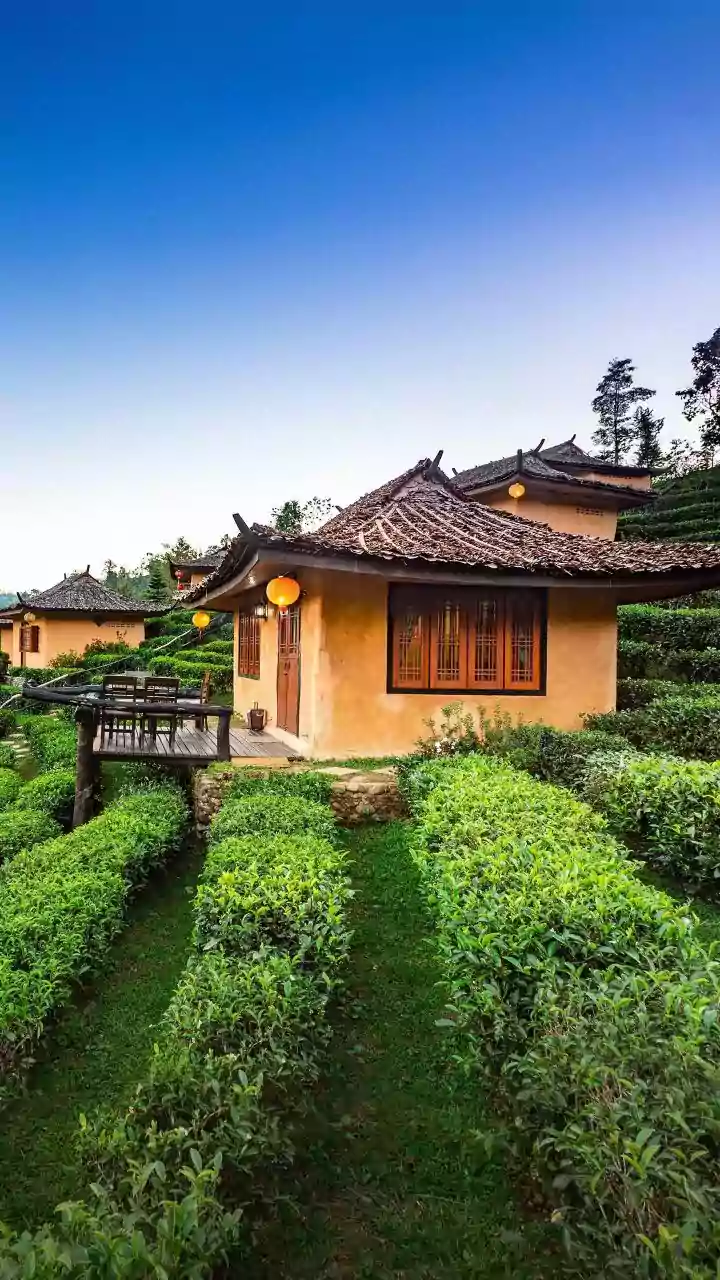
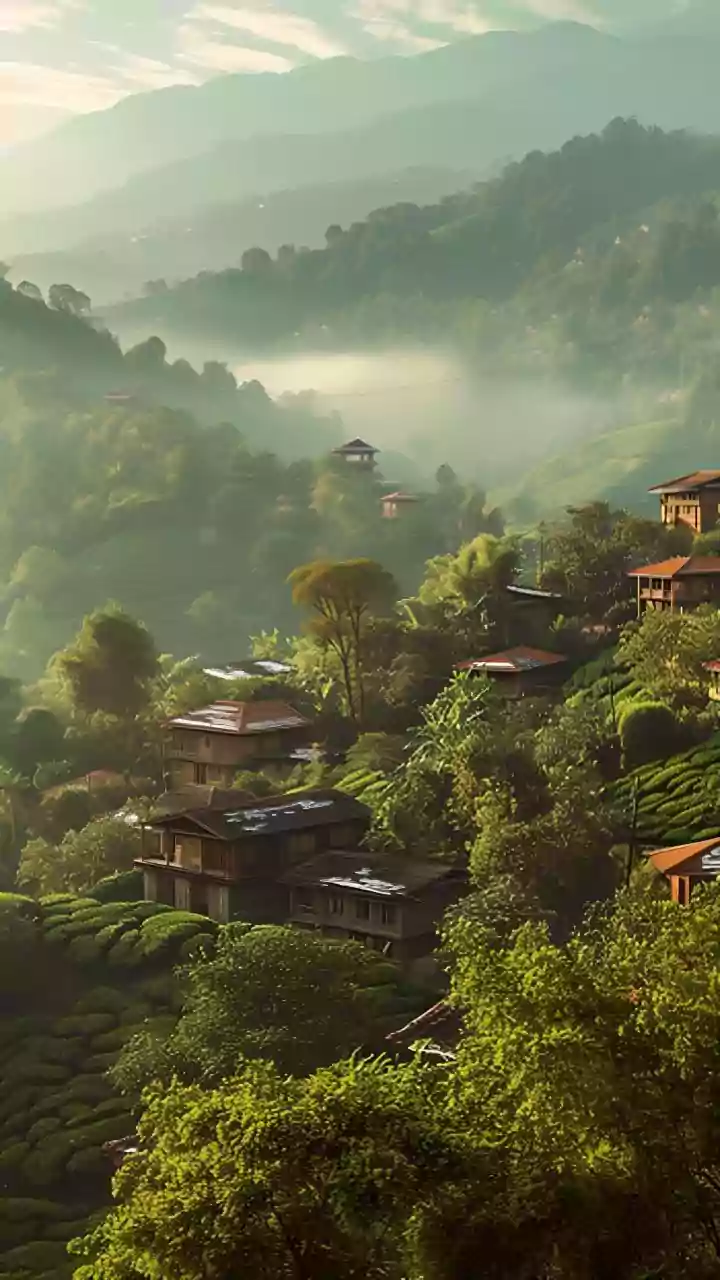
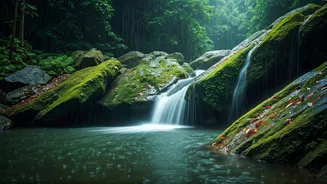
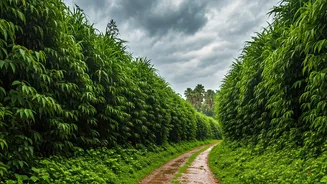
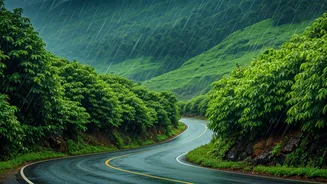
shimmering under dramatic, overcast skies, making for a cinematic houseboat cruise. [24, 32] In the highlands, hill stations like Munnar are cloaked in mist, its vast tea plantations appearing even more vibrant and lush. [24] The waterfalls, often gentle streams in the dry season, become thunderous cascades, with Athirappilly Falls, the "Niagara of India," offering a particularly powerful display. [9, 19] This visual richness, where every leaf sparkles and the air feels pure, creates an atmosphere of natural luxury that peak-season travel often misses. [13]
The Smart Traveller's Secret: Off-Season Savings
Perhaps the most compelling reason to visit Kerala during the monsoon is the significant cost savings. [22] This period is considered the off-season, meaning fewer tourists and, consequently, lower prices for everything from flights to accommodation. [12, 16] Many hotels and even luxury resorts offer substantial discounts, sometimes up to 30-50% less than their peak winter rates. [23, 20] This makes it possible to stay in a premium property, like a cliffside hotel in Varkala or a serene backwater resort, for the price of a budget hotel in the high season. [23] With fewer crowds, you get a more peaceful and personal experience at popular attractions, avoiding the long queues and packed viewpoints. [7, 12]
Experiences Unique to the Rains
Beyond the scenery and savings, the monsoon offers experiences that are particularly special to the season. It is traditionally considered the best time for Ayurvedic treatments. [11] According to Ayurvedic principles, the cool, moist, and dust-free atmosphere helps the body's pores to open, making it more receptive to herbal oils and therapies. [3, 5, 6] Many visitors come specifically for 'Karkidaka Chikitsa', a series of rejuvenating treatments designed to boost immunity and detoxify the body. [6, 17] For culture enthusiasts, the famous Onam festival often falls in August or September, offering a vibrant display of Kerala's traditions, including grand feasts and snake boat races. [10] For the adventurous, the rain-fed forests of Wayanad and Thekkady offer thrilling treks and wildlife safaris in a landscape teeming with life. [19, 24]
Planning Your Monsoon Getaway
A trip during the monsoon requires a bit of practical planning. Pack light, quick-drying clothes, a reliable raincoat, and footwear with good grip. While most major tourist attractions remain open, it's wise to have a flexible itinerary, as heavy downpours can sometimes cause travel delays. [10] Booking accommodation with a good view, like a resort room with a large veranda or a houseboat, allows you to enjoy the beauty of the rain even during a downpour. [7] Hiring a car and driver is often a good idea to navigate potentially tricky road conditions. Embrace the slower pace; the monsoon is a time for relaxation and soaking in the atmosphere, perhaps from a local tea shop with a hot cup of chai and some banana fritters. [13] Explore destinations like the backwaters in Alleppey, the misty tea gardens of Munnar, or the wildlife sanctuary in Thekkady for a diverse experience. [24, 29]