





What is a Community Tool Bank?
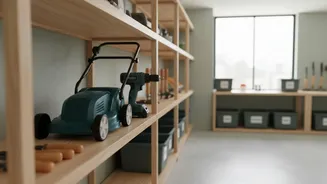
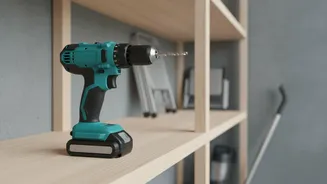
Think of it as a library, but for things you need to fix, build, and maintain your home. A community tool bank, or a “library of things,” is a shared collection of tools and equipment that residents of an apartment society can borrow. Instead of every
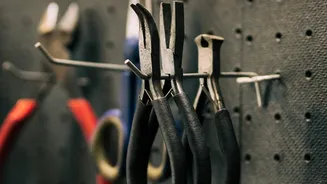
flat owning a drill, a set of screwdrivers, or a ladder that’s used maybe twice a year, the community collectively owns and shares them. This simple concept has powerful implications. It's a throwback to a time when sharing resources within a community was common practice in India, before the era of one-click purchases and disposable goods. From basic hand tools to specialised electronic repair kits, these banks can be tailored to the specific needs of the residents.
The Direct Link to E-Waste Reduction
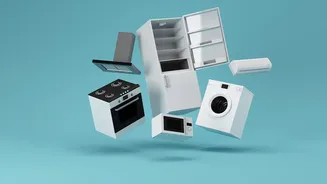
India is one of the world's largest producers of electronic waste, generating millions of tonnes annually, with only a fraction being formally recycled. This is where tool banks become a quiet but powerful force for change. When a resident has free and easy access to a precision screwdriver set or a soldering iron, the option to repair a flickering table lamp or a faulty remote control suddenly becomes more appealing than buying a new one. This directly counters the “use-and-throw” culture that contributes to our growing landfills. By empowering residents to perform simple repairs, tool banks extend the life of electronics and home appliances, preventing them from becoming waste prematurely. Some societies even host 'Repair Café' events, where residents can come together and, with the help of shared tools and skilled neighbours, fix everything from headphones to kitchen mixers.
More Than Just Green: The Triple Benefit
While environmental sustainability is a major plus, the advantages of a community tool bank don't stop there. The first and most obvious benefit is financial. Residents save significant money by not having to purchase expensive tools for one-off jobs. This makes home maintenance and DIY projects more accessible to everyone. The second benefit is the reduction of clutter; fewer individual tool purchases mean more space in already compact urban apartments. But perhaps the most important benefit is the social one. A tool bank becomes a natural hub for interaction, fostering a sense of shared ownership and collaboration. It encourages neighbours to connect, share skills, and help one another, strengthening the fabric of the community. It's a practical step towards building a more circular and socially connected way of living.
A Step-by-Step Guide to Starting Your Own
Launching a tool bank in your society is more manageable than it sounds. Start small and build momentum. 1. Form a Small Team: Find a few like-minded neighbours who are passionate about the idea. This core group can drive the initiative forward. 2. Gauge Interest and Needs: Conduct a simple survey through your society’s WhatsApp group or a notice board. Ask residents what tools they would be willing to donate and what they would like to borrow. This helps build your initial inventory and proves the demand for the project. 3. Find a Home: Identify a secure, accessible space. A locked cabinet in the lobby, a designated corner of a common room, or an unused utility closet can work perfectly. 4. Source Your Tools: The initial collection can come entirely from donations from residents clearing out their own toolboxes. Later, the resident welfare association (RWA) could consider allocating a small budget for purchasing a few high-demand power tools. 5. Establish a System: A simple, low-tech checkout system is often the most effective. A physical logbook where residents sign out a tool with their name, flat number, and date is a great start. For larger societies, free inventory management apps like MyTurn can help track everything digitally. 6. Set Clear Rules: Draft a simple agreement covering borrowing periods, late returns, and guidelines for reporting damaged tools. A liability waiver is also a good idea to protect the society.