

From Garden Staple to Interior Star
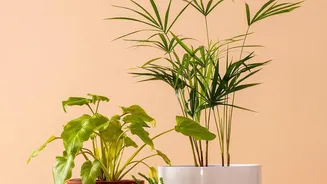
For years, terracotta was relegated to outdoor patios and balconies, a durable but perhaps unexciting staple for gardeners. Now, it’s at the forefront of a major interior design shift. Driven by Gen Z’s preference for natural, authentic, and eco-conscious
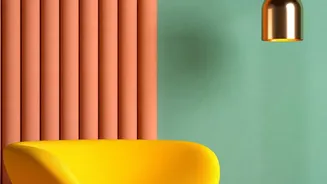
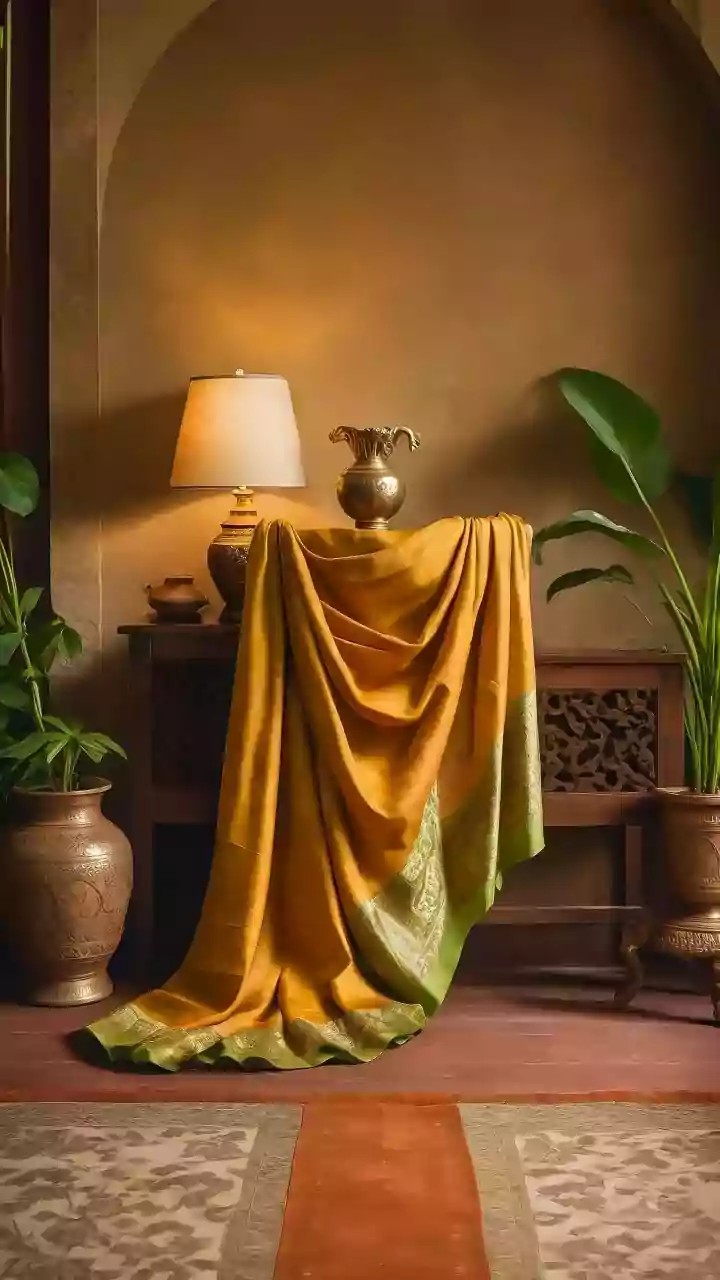
materials, terracotta is being reimagined. The move is away from cool, stark minimalism and towards what you might call 'warm minimalism'. Spaces are becoming more personal, layered with earthy textures and tones that feel grounded and calming. This ancient material, made simply from earth and fire, fits perfectly into this new vision for home, offering a warmth and honesty that feels right for right now.
The Sustainable Appeal of Clay
A huge part of terracotta's revival is its environmental credibility. For a generation deeply concerned with sustainability, this matters. Terracotta is made from clay, a natural and abundant resource. Its production process is relatively low-energy compared to plastics or metals. Furthermore, it is incredibly durable, and at the end of its very long life, it can biodegrade and return to the earth without releasing harmful substances. Many artisans and manufacturers are also adopting closed-loop systems, recycling unfired clay and even incorporating other recycled materials into their products. Choosing terracotta over a synthetic alternative is a small but meaningful way to reduce your ecological footprint, a value that strongly resonates with younger consumers.
Warm Minimalism and Biophilic Design
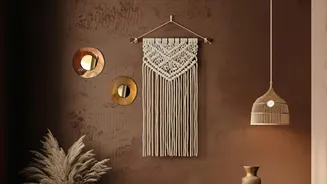
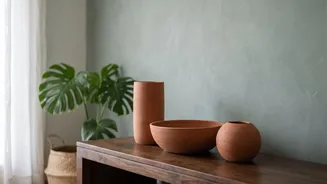
So, how does this rustic material fit into modern homes? Perfectly, it turns out. The trend of biophilic design—the practice of connecting our living spaces more closely to nature—is a core principle for many Gen Z decorators. This is about more than just adding a few houseplants; it's about incorporating natural light, organic shapes, and materials like wood, stone, and clay to create a healthier, more serene environment. Terracotta's signature warm, sun-baked hue provides a beautiful, earthy counterpoint to the clean lines and neutral palettes of contemporary design. It adds texture and depth without overwhelming a room, making spaces feel both modern and welcoming. It's the perfect ingredient for creating an atmosphere that feels calm and connected to the natural world.
Beyond the Humble Plant Pot
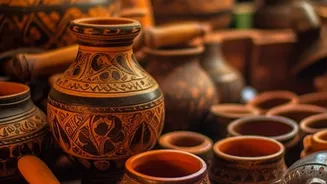
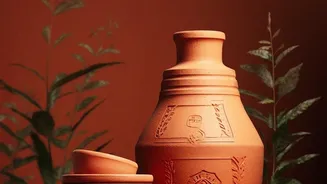
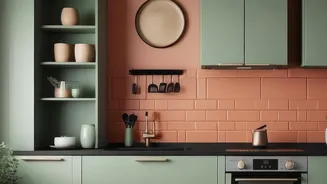
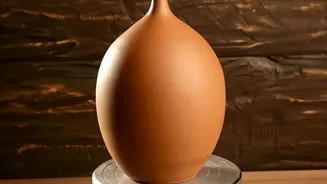
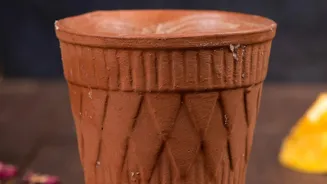
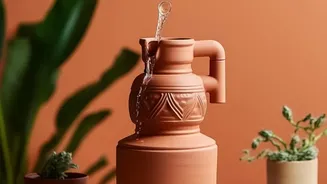
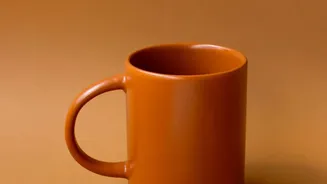
While terracotta planters are more popular than ever, the trend extends far beyond greenery. Designers and homeowners are embracing the material in a multitude of new and creative forms. Think of terracotta pendant lamps that cast a soft, warm glow, or tableware sets that bring an artisanal touch to everyday meals. You can find terracotta used in decorative objects like vases and sculptures, kitchen canisters, and even as accent tiles on a backsplash or floor. These pieces serve as functional art, bringing a handmade, one-of-a-kind feel into the home. They tell a story of craftsmanship and natural materials, a welcome contrast to mass-produced decor.
An Authentic, Human Touch
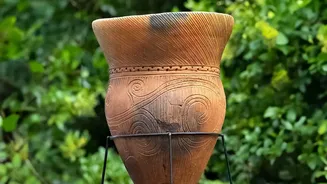
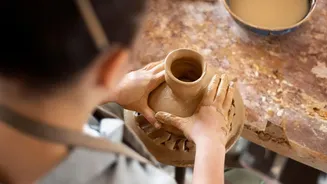
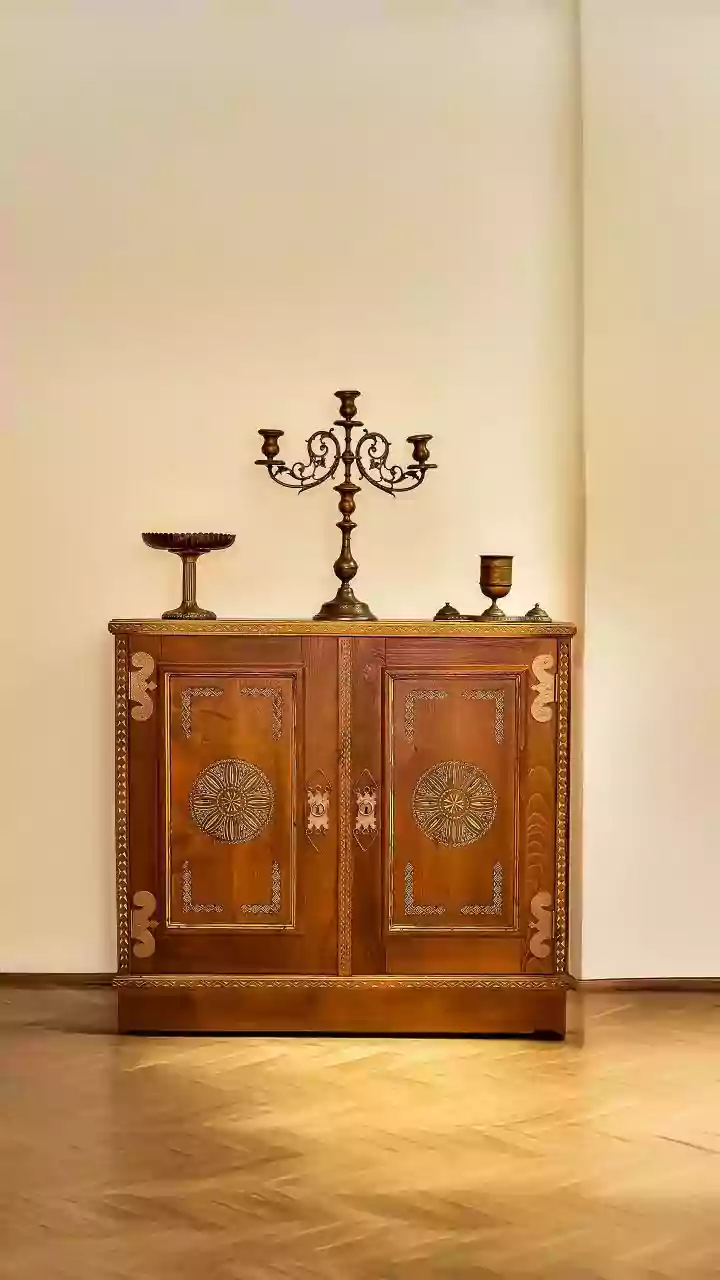
Ultimately, the turn towards terracotta is part of a larger desire for authenticity. In a digital world, there's a growing appreciation for objects that show the hand of the maker and connect us to a long history of craftsmanship. Terracotta has been used by humans for millennia, and that timeless quality is a big part of its appeal. It’s not a fleeting trend but a classic material being seen through fresh eyes. It’s a choice that reflects a desire for a home that is not just stylish, but also sustainable, soulful, and deeply personal. It proves that sometimes the most modern ideas have been here all along.