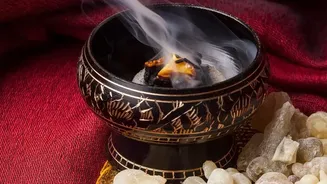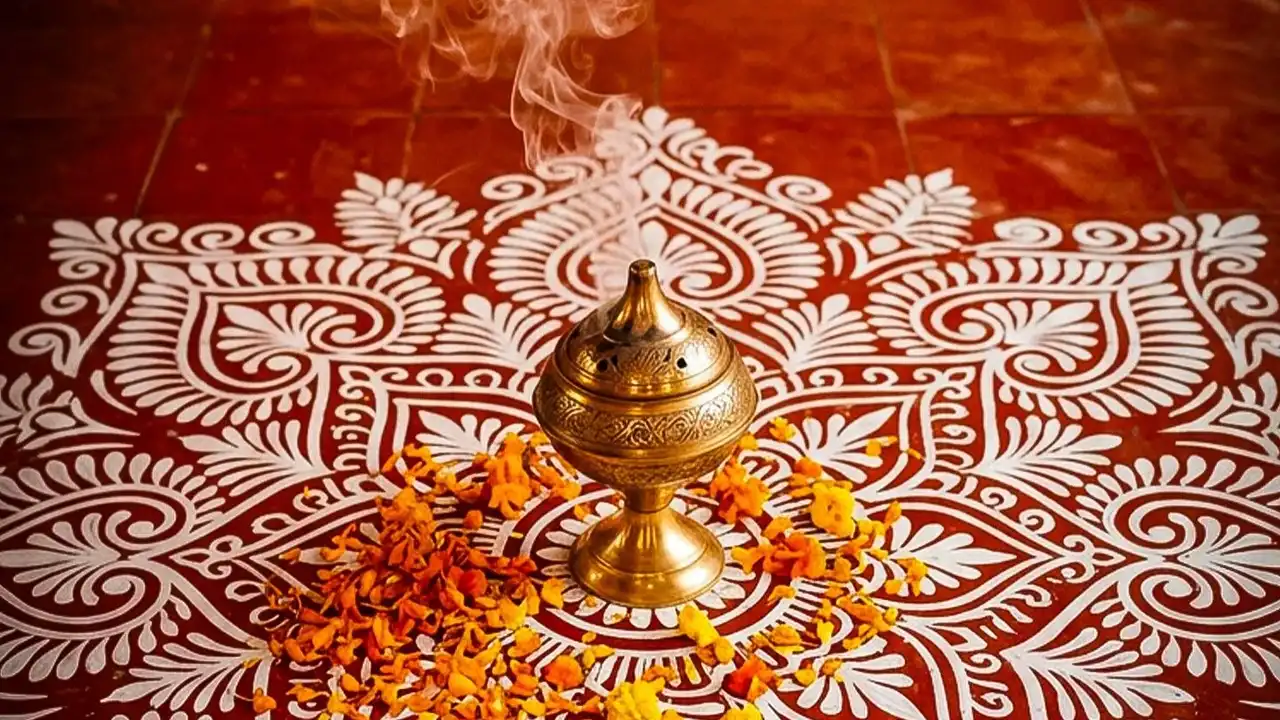


For many in India, the scent of burning incense, or agarbatti, is a comforting daily ritual. But as winter arrives, bringing with it a thick blanket of smog, this seemingly harmless practice can become a significant source of indoor pollution.
The Twin Realities of Indian Winters
Winter in many
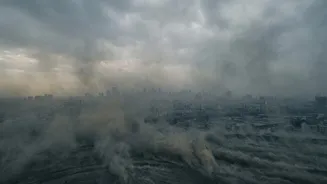
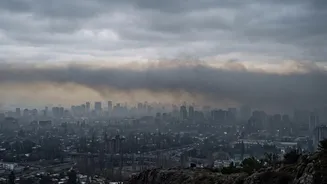
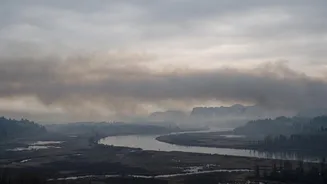
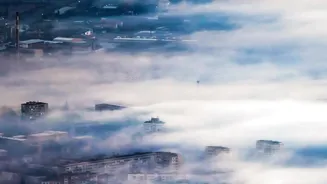
parts of India, particularly across the Indo-Gangetic Plain, is defined by two concurrent phenomena: cherished traditions and hazardous air quality. As temperatures drop, homes fill with the scents of spices and, often, the smoke from morning and evening prayers. Simultaneously, outside, a heavy, toxic smog settles over cities, turning the sky a murky grey. This annual pollution peak is not caused by a single villain but is a complex mix of factors including vehicular emissions, industrial output, construction dust, and seasonal stubble burning. What changes in winter is the weather itself. A phenomenon called 'temperature inversion' traps this cocktail of pollutants close to the ground. Cold, dense air near the surface is pinned down by a layer of warmer air above, preventing pollutants from dispersing. With low wind speeds, this stagnant air mass means that whatever enters the atmosphere stays there, accumulating day after day.
What’s Really in Incense Smoke?
While associated with purity and prayer, the smoke from a burning incense stick is a complex mixture of pollutants. The incomplete combustion of its components—typically wood powders, fragrance materials, and binders—releases a surprising amount of harmful substances directly into your living space. The most significant of these are fine particulate matter, known as PM2.5. These are microscopic particles so tiny they can bypass the body's natural defences, lodging deep within the lungs and even entering the bloodstream. Studies have shown that burning incense can produce significantly more particulate matter than even a cigarette. Beyond particles, incense smoke also contains a host of volatile organic compounds (VOCs), including carcinogens like benzene, formaldehyde, and toluene. These gases can cause immediate irritation to the eyes, nose, and throat, as well as headaches and dizziness.
The Compounding Effect: When Outdoor Smog Meets Indoor Smoke
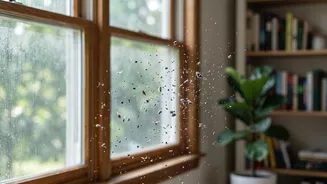
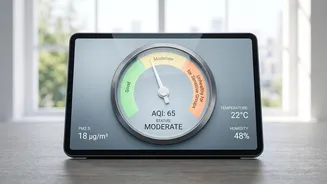
During the winter pollution peak, the line between outdoor and indoor air blurs. The same PM2.5 and toxic gases that choke the city air inevitably seep into our homes, even with doors and windows closed. This means your indoor environment starts with an already elevated level of pollution. When you then light an incense stick, you are releasing a concentrated dose of the very same types of pollutants into a contained space. Research has shown that indoor PM2.5 levels in homes that burn incense can be substantially higher than outdoor levels. Because modern homes are often sealed for insulation, these pollutants have nowhere to go, building up to concentrations that can far exceed health guidelines set by organisations like the WHO. You are essentially creating a personal pollution hotspot within an already polluted city, compounding your exposure.
The Unseen Health Risks
This double exposure to pollutants from both outside and inside poses significant health risks. Shortterm effects include coughing, wheezing, shortness of breath, and aggravation of conditions like asthma and allergic rhinitis. Children, whose respiratory systems are still developing, and the elderly are particularly vulnerable. Longterm, chronic exposure to the pollutants found in both winter smog and incense smoke is linked to more severe outcomes. This includes an increased risk of chronic respiratory diseases, cardiovascular problems, and even certain types of cancer. The constant inflammation caused by inhaling these particles can weaken the body's ability to fight infections and may even have neurological effects. While a single incense stick is not acutely poisonous, the cumulative effect of daily use in a poorly ventilated, already polluted environment is a serious concern.
Mindful Practices for Cleaner Air
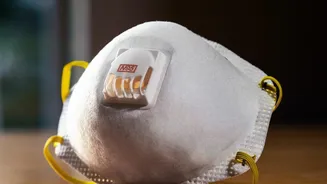
Recognizing the cultural and spiritual importance of incense, the goal isn't necessarily to eliminate it entirely but to practice its use more mindfully, especially during highpollution months. The key is to reduce the frequency and duration of burning. When you do light incense, ensure the room is wellventilated by opening a window or using an exhaust fan to help dissipate the smoke. Consider using an air purifier with a HEPA filter, which is effective at capturing fine particulate matter. There are also smokefree alternatives that can provide a pleasant aroma without the combustion. Essential oil diffusers, for instance, release scent by vibrating water,, not burning materials.. Other options include simmering spices like cinnamon and cloves on the stove,, using room sprays made with essential oils,, or simply having fresh plants and flowers.