

The Urban Burnout Catalyst
For years, the career playbook in India was simple: move to a major city like Bangalore, Mumbai, or Gurgaon. That was where the jobs, opportunities, and networks were. But the pandemic-induced shift to remote work has rewritten the rules. Professionals
who were once tied to a physical office are now free to work from anywhere, leading to a major reassessment of priorities. The high cost of living, punishing commutes, and the concrete jungle's relentless pace are taking a toll. Many are asking a simple question: if the job can be done from a cramped one-bedroom apartment in a crowded city, why can’t it be done from somewhere beautiful, peaceful, and affordable?
Varkala’s Unbeatable Value Proposition
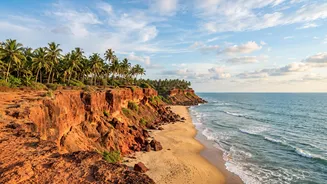
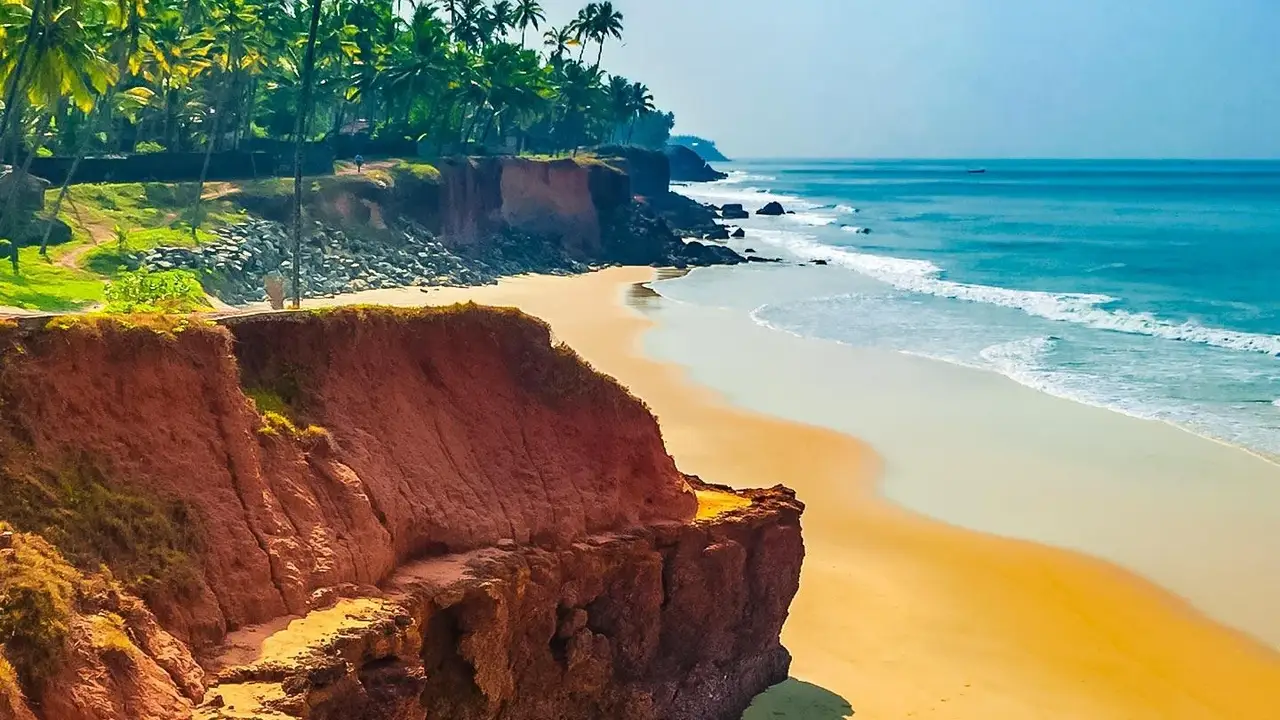
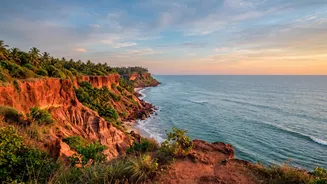
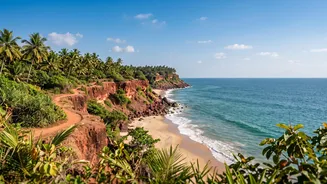
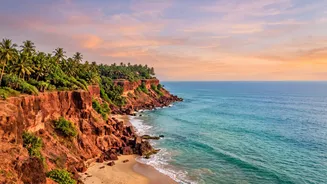
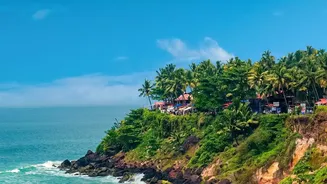
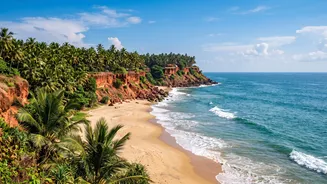
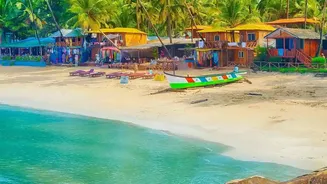
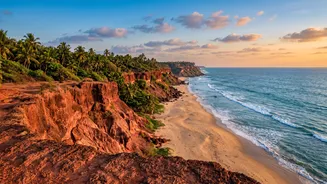
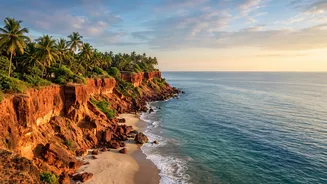
Enter Varkala. Perched on dramatic red cliffs overlooking the Arabian Sea, this coastal town in Kerala offers a compelling alternative. The primary draw is undeniably the economics. A monthly stay in a decent Varkala hostel dorm, complete with high-speed Wi-Fi and access to a co-working lounge, can cost between ₹14,000 to ₹24,000. Compare that to the rent for a single room in a prime Bangalore neighbourhood, which can easily be double or triple that amount, before even factoring in bills and food. In Varkala, food and daily expenses are also significantly lower, with a monthly food budget ranging from ₹10,000 to ₹18,000. This financial freedom allows remote workers to save more, work less, or invest in experiences rather than just rent.
More Than a Desk With a View
While cost is the gateway, it's the lifestyle that makes people stay. The typical 'work-from-Varkala' day looks very different from the urban equivalent. It might start with a sunrise surf session, followed by a focused work block in a clifftop cafe with the sound of waves in the background. Lunch breaks can be a walk on the beach. Evenings are for watching the sunset from the cliff promenade, followed by fresh seafood at a beachside shack. This seamless integration of work and life is a powerful antidote to urban burnout. The town has a laid-back, bohemian vibe that attracts a global community of travellers, artists, and yogis, creating a unique social fabric that is more collaborative than corporate.
The Infrastructure for Productivity
The romantic notion of working from a beach town often crashes against the reality of poor infrastructure. However, Varkala has rapidly evolved to meet the demands of the digital nomad community. Hostels like Zostel, The Hosteller, and Roameo have specifically kitted themselves out for remote workers. They offer not just a bed, but a complete ecosystem: reliable high-speed fibre internet (often 100-200 Mbps), power backup generators, dedicated air-conditioned workrooms, and ergonomic seating. Cafes along the cliff also offer solid Wi-Fi, making it easy to find a new 'office' with a different view every day. This robust infrastructure ensures that you can reliably take video calls and meet deadlines without the stress of connectivity issues.
A Built-in Community
One of the biggest challenges of remote work can be loneliness and a sense of isolation. In a big city, it can be hard to meet people outside of your immediate work circle. Varkala's hostel culture solves this problem organically. These spaces are designed to be social hubs where you can easily connect with like-minded individuals from diverse backgrounds. Weekly events like open-mic nights, group surf outings, and communal dinners are common. This creates a strong sense of community and a support network, making it an ideal destination for solo travellers and those looking to build new friendships and professional connections. Many find this curated social environment less intimidating and more genuine than forced corporate fun.
The Flip Side of Paradise
Of course, Varkala isn't a utopia. The laid-back pace can sometimes translate to slower services. During the peak monsoon season (June to August), the beautiful outdoor lifestyle can be curtailed by heavy rains. While the main cliff area is well-equipped, some may find the town lacks the wider variety of entertainment, shopping, and specialised services available in a major metropolis. It represents a trade-off: swapping urban convenience and choice for a simpler, more nature-focused existence. For a growing number of professionals, it’s a trade they are more than willing to make.