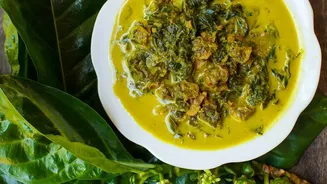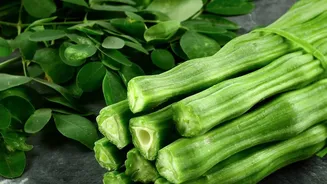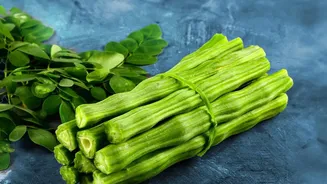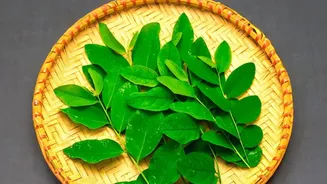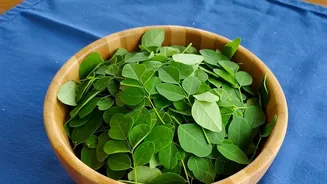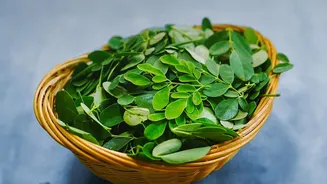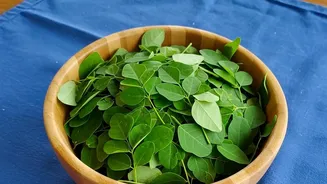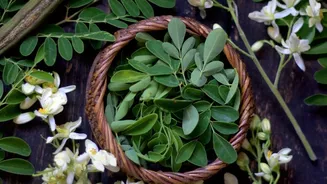




Often called a 'miracle tree', moringa is one of nature's most impressive superfoods, and it grows right in our backyards. But how do you move drumstick leaves from a niche health food to a staple in your daily meals? It's easier than you think.
The Everyday Superfood
Moringa
oleifera, known to many across India as 'sahjan', 'murungai' or simply the drumstick tree, is a nutritional powerhouse hiding in plain sight. While the drumsticks are a beloved ingredient in sambar and curries, the leaves are where the real concentration of nutrients lies. Packed with vitamins A and C, calcium, potassium, iron, and protein, these small leaves offer immense health benefits. Studies have shown that moringa may help in managing blood sugar levels, reducing inflammation, and supporting immune function due to its rich antioxidant content. Its potent profile of nutrients contributes to bone health, increased energy levels, and overall well-being, making it a valuable addition to any diet.
From Branch to Bowl: A Prep Guide
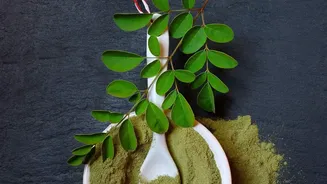
The most time-consuming part of cooking with moringa is preparing the leaves. The small leaflets must be stripped from the tough, fibrous central stems. The easiest way to do this is to hold the top of a sprig and pull your fingers down against the direction of growth; the leaves should pop right off. A few tiny, tender stems attached to the leaflets are perfectly fine to eat, but discard the main stalks. Once stripped, wash the leaves thoroughly in a large bowl of water, allowing any grit to sink to the bottom. Lift the leaves out rather than pouring the water, ensuring they are clean. Fresh leaves are best, but they can be stored in the refrigerator for a few days. For longer storage, you can dry them in the shade and crush them into a powder.
Recipe 1: Wholesome Moringa Dal
One of the easiest ways to incorporate moringa is by adding it to dal, a staple in every Indian household. The leaves have a mild, spinach-like flavour that blends seamlessly with lentils. For a simple moringa dal, prepare your usual dal (toor, moong, or masoor work well) in a pressure cooker. While the dal cooks, prepare a tempering (tadka). Heat ghee or oil, and sizzle mustard seeds, cumin seeds, chopped garlic, and a pinch of asafoetida. Add chopped onions and sauté until golden, then add tomatoes. Finally, add a large handful of washed moringa leaves and stir-fry for just 2-3 minutes until they wilt. Pour this flavourful tempering over your cooked dal, add salt, and simmer for another five minutes. Garnish with a squeeze of lemon juice before serving.
Recipe 2: Nutritious Moringa Paratha
Transform your breakfast or lunch with these vibrant green parathas. In a large bowl, combine whole wheat flour (atta) with a tightly packed cup of finely chopped moringa leaves. To this, add grated ginger, ajwain (carom seeds), turmeric powder, red chilli powder, and salt to taste. Mix all the ingredients well. Gradually add water and knead to form a firm, smooth dough. Let the dough rest for about 15–20 minutes. Divide the dough into equal portions, roll them into balls, and then flatten them into discs, dusting with dry flour as needed. Cook the parathas on a hot tawa with a little ghee or oil, pressing gently until both sides are golden–brown and cooked through. Serve hot with curd, pickle, or your favourite sabzi.
Recipe 3: Simple Moringa Sabzi or Poriyal
For a quick and healthy side dish, a simple moringa stir–fry, often called 'poriyal' in the South, is perfect. Heat coconut oil in a pan and add mustard seeds, allowing them to splutter. Add urad dal, a couple of dried red chillies, and curry leaves. Once the dal turns golden, add chopped onions and sauté until translucent. Add the washed moringa leaves and stir–fry on medium heat. Sprinkle a little water, cover,' and cook for 5–7 minutes until the leaves are tender and cooked. Be careful not to overcook,' as the leaves can become dry and lose nutrients.' Finish by adding salt and freshly grated coconut,' mixing well before taking it off the heat.' This dish pairs wonderfully with rice and sambar or as part of a larger thali.
More Moringa Ideas
The versatility of moringa leaves doesn't end with traditional recipes.' Their mild flavour makes them easy to hide in various dishes for a nutrient boost.' You can finely chop the fresh leaves and add them to omelettes or scrambled eggs.' Blend a small handful of young,' tender leaves into your morning smoothie with fruits like banana or mango to mask the slightly earthy taste.' You can also make a flavourful moringa chutney by blending wilted leaves with coconut,' green chillies,' tamarind,' and lentils.' Experiment by adding them to dosa batter,' vegetable soups,' or even kneading them into your chapati dough for an effortless health upgrade.