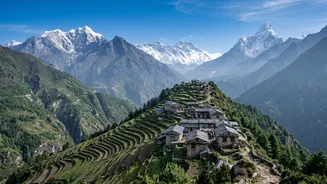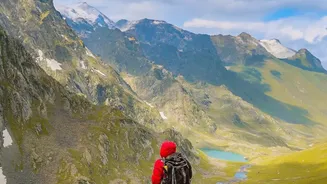



The promise of remote work was freedom, but for many, it has meant a monotonous loop of emails and video calls from the same four walls. A growing number of professionals are now seeking a more intentional escape: the high-altitude hill village.
An Escape from Monotony
For many,
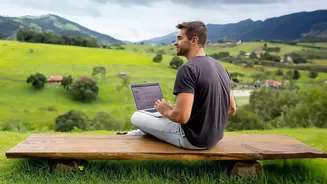
the 'work from home' reality has become a blur of digital fatigue and social isolation. The very flexibility that was supposed to be liberating now often feels confining. In response, a counter-trend is emerging, one rooted in the 'slow living' movement. It's not about abandoning work but reframing it. This movement champions a more deliberate lifestyle where work supports living, not the other way around. Mountain villages have become the unofficial headquarters for this new mindset. They offer a physical and psychological break from the urban hustle, trading traffic noise and endless distractions for crisp air and expansive horizons. The shift is less about a permanent relocation and more about a strategic retreat—a 'workation' designed to reset the mind and reintegrate life with work in a healthier, more sustainable way.
A Natural Catalyst for Deep Work
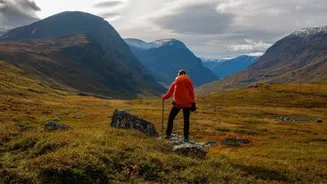
In a world of constant notifications, deep focus is a superpower. Mountain environments act as a natural amplifier for concentration. The sheer scale of a mountain landscape can have a 'diminutive effect', making personal and professional problems feel smaller and more manageable. Research suggests that exposure to natural environments can improve attention and cognitive function. Simply viewing a mountain scene has been shown to increase parasympathetic nervous activity, promoting a state of calm and relaxation. This tranquil state is more conducive to the 'slow thinking' that experts like Carl Honoré say is essential for creativity and innovation. By stripping away urban distractions, a high-altitude setting allows for extended periods of uninterrupted thought, making it easier to tackle complex projects and produce higher-quality work.
The Altitude Advantage for Well-Being
The benefits of mountain living extend beyond productivity. Spending time in nature is consistently linked to improved mood and lower stress. Studies have shown that even short periods in a natural setting can measurably decrease cortisol, the body's primary stress hormone. Mountainous regions naturally encourage an active lifestyle, whether it's a short walk to clear your head or a more challenging weekend hike. This physical activity is a well-documented tool for combating anxiety and depression. While very high altitudes can pose health risks and require acclimatization, moderate mountain elevations are associated with positive effects on mental well-being. The clean air, connection to nature, and physical exertion combine to create a powerful formula for both mental and physical health.
Finding Community Above the Clouds
The idea of relocating to a remote village might conjure images of isolation, but many of these mountain hubs have developed vibrant communities. They attract a unique mix of locals, artists, and a growing number of independent professionals. This fosters a sense of camaraderie that can be hard to find in a sprawling city. Unlike the transient nature of quick trips, longer stays allow remote workers to build genuine connections. Many of these destinations, from Jackson Hole, Wyoming, to smaller hubs in Europe and Latin America, now feature coworking spaces that serve as social and professional nexuses. These spaces provide not just reliable internet but a ready-made network of like-minded people who have also chosen to trade the conventional office for a life with a better view.
The Practical Side of the Peak
The dream of working from a mountain cabin is more attainable than ever, but it requires planning. Internet connectivity, once a major barrier, has dramatically improved in many established mountain towns. However, it's always wise to verify service quality before committing. The cost of living can be a pleasant surprise, as rent in many mountain villages is often lower than in major urban centers or popular beach destinations. But it's also crucial to consider the challenges. Acclimatizing to higher altitudes can take time, sometimes causing initial fatigue or headaches as your body adjusts to lower oxygen levels. Accessibility can also be a factor, with some villages being more remote than others. The key is to balance the romantic ideal with a practical assessment of your personal and professional needs.