





The undercut remains one of the most popular and versatile hairstyles for a reason. It's bold, stylish, and adaptable, but the sharp contrast can feel intimidating. This guide breaks down exactly what an undercut is and how to style it confidently.
What Exactly Is an Undercut?
At
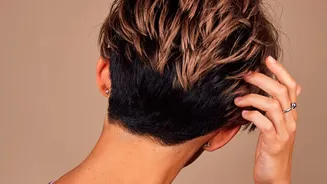
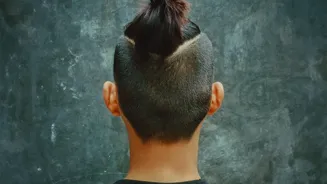
its core, an undercut is a hairstyle where the hair on the top of the head is kept significantly longer than the hair on the sides and back, which are clipped very short or even shaved. The key feature is the contrast or 'disconnection' between these two sections. Unlike a fade, which gradually blends the hair from short to long, a classic undercut has a distinct, sharp line separating the top from the sides. This creates a look that is structured and intentional. Modern variations, however, often incorporate a fade into the shorter sections for a softer, more contemporary transition.
Finding the Perfect Undercut for You
The undercut's versatility means there is a version for almost everyone, regardless of hair type or face shape. For those with round faces, an undercut with height on top—like a pompadour or a quiff—can help elongate the face. Oval and square face shapes are well-suited to the angular nature of most undercuts. When choosing your style, consider the difference between a 'disconnected' and a 'faded' undercut. A disconnected style has that very sharp, bold line, while a faded version offers a smoother, more subtle transition that can be easier to wear and grow out. Talking to your stylist is crucial; they can help adapt the cut to your features and hair type, whether it's straight, wavy, or curly.
Your Essential Styling Toolkit
To style an undercut effectively, you need the right products in your cabinet. The product you choose will define the final look, whether you want a polished finish or a casual, textured style. Pomade is perfect for a sleek, slicked-back look, especially when applied to damp hair, as it provides both strong hold and shine. For a more natural, matte finish with texture, a styling wax or clay is your best friend; these work best on dry hair. If you want to add volume and movement for a messier, more relaxed style, a sea salt spray or mousse is ideal. Don't forget the tools: a good comb is essential for creating clean parts and slicked-back styles, while a blow dryer is your key to achieving maximum volume.
Simple Techniques for Daily Styling
Styling an undercut doesn't have to be complicated. For a classic slicked-back look, start with damp hair. Work a dime-sized amount of pomade through the long hair on top, from root to tip. Then, simply use a comb to brush it all straight back. For a more voluminous, textured look, apply a matte clay or paste to dry hair. Use your fingers to work the product in and tousle the hair, pushing it up and into your desired shape. A blow dryer can be a game-changer for volume; blow-dry the hair upwards and back before applying any product to give it lift and direction that will last all day. The key is to experiment to find the routine that works for you.
How to Keep Your Undercut Looking Sharp
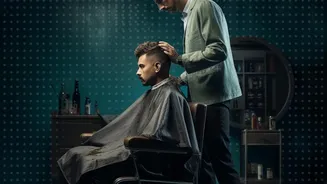
Maintenance is key to keeping an undercut looking its best. Because the style relies on the sharp contrast between the long top and short sides, regular trims are non-negotiable. Most stylists recommend visiting your barber every three to four weeks to keep the sides and back clean and prevent the shape from growing out unevenly. At home, use a quality shampoo and conditioner to keep the longer hair on top healthy. While the daily styling is generally quick, the frequent professional maintenance is what preserves the cut's sharp, confident lines. Don't be tempted to trim the edges yourself unless you are very confident, as correcting a mistake can be difficult.