



A Familiar Superfood
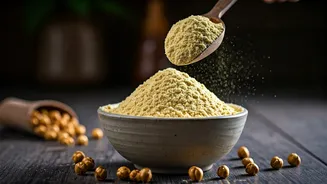
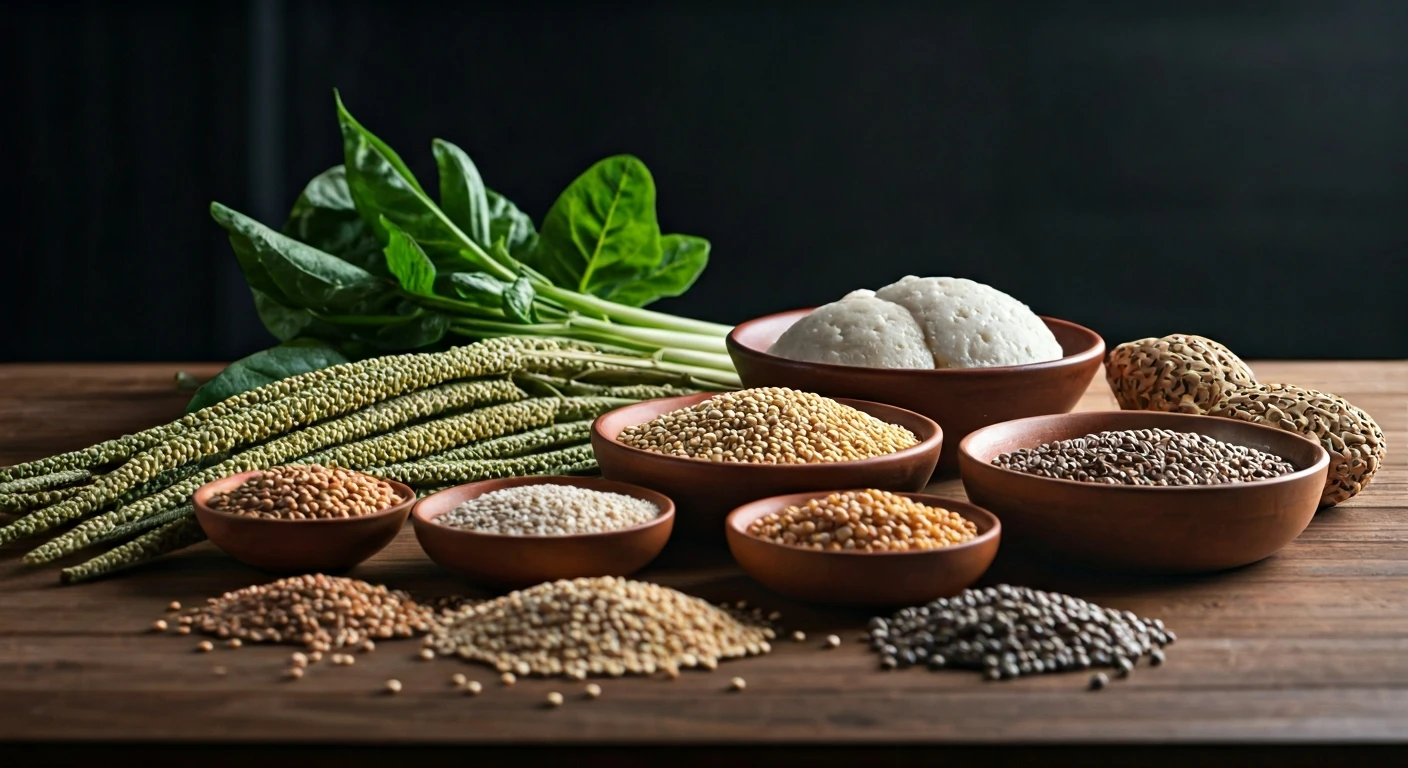
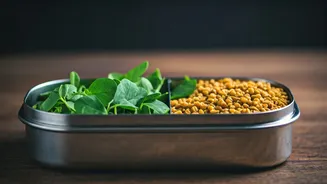
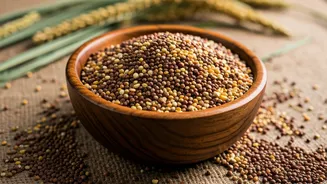
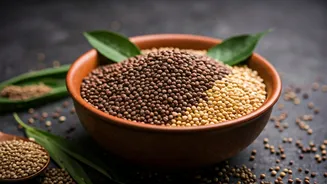
Fenugreek, known locally as methi, is a herb that has been a cornerstone of Indian cuisine and traditional medicine for centuries. Used in both fresh leaf and dried seed form, it’s celebrated for its distinctly nutty, slightly bitter taste that adds depth
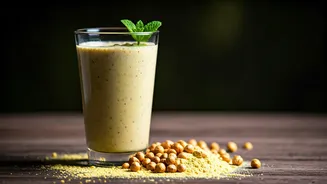
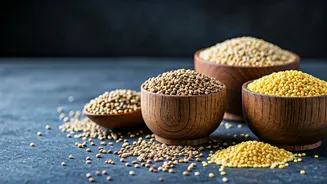
to countless dishes. But beyond its culinary uses, fenugreek is a nutritional powerhouse. The seeds are packed with protein, fiber, iron, and magnesium, while the leaves are a rich source of vitamins and minerals that contribute to overall health. Think of it as an ingredient that works twice as hard, delivering both robust flavour and a host of benefits.
The Science-Backed Benefits
The “energy” fenugreek provides isn't just about calories; it’s about what this versatile herb can do for your body. One of its most studied benefits is its role in blood sugar management. The soluble fibre in methi can help slow down sugar absorption, which is particularly beneficial for maintaining stable energy levels throughout the afternoon. Furthermore, its high fiber content aids digestion, helping to prevent issues like bloating and constipation. Some studies also suggest fenugreek can help manage cholesterol levels, support heart health, and may possess anti-inflammatory properties thanks to antioxidants like flavonoids. For lactating mothers, it has been traditionally used to promote milk flow.
Beyond Thepla and Aloo Methi
While classic dishes like methi thepla and aloo methi are beloved for a reason, fenugreek’s versatility extends far beyond them, especially when it comes to quick lunchbox preparations. The key is to think of it as a flavourful green, similar to spinach or kale, but with a more assertive, aromatic profile. Fresh methi leaves can be finely chopped and mixed into dosa or idli batter, kneaded into chapati dough for flavourful parathas, or sautéed with other vegetables for a quick stir-fry. Dried fenugreek leaves (kasuri methi) can be crumbled over salads, mixed into yogurt to make a dip, or added to savoury muffins for an unexpected twist.
Easy Lunchbox Ideas
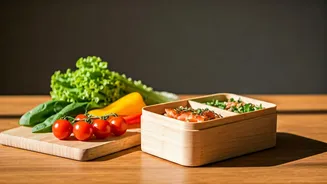
Incorporating methi into your lunch doesn't have to be complicated. A simple Methi Rice or Pulao is a complete meal that packs well and tastes great even when cool. You can prepare it by sautéing chopped methi leaves with onions and mild spices before adding cooked rice. For a protein-rich option, try a Methi Chana Masala, a flavourful curry with chickpeas and fresh fenugreek leaves that is perfect for meal prep. Another great idea is a Methi Dal, where lentils are cooked with the leaves for a comforting and nutritious dish. You can even stir fresh, finely chopped leaves into hummus or a thick yogurt dip to eat with vegetable sticks and whole-wheat crackers for a light yet satisfying meal.
A Note on Flavour and Safety
If you find fresh methi too bitter, you can reduce its intensity by sprinkling salt over the chopped leaves, letting them sit for 15-20 minutes, and then squeezing out the dark, bitter juice before cooking. While fenugreek is generally safe when consumed as part of a regular diet, large medicinal doses might cause digestive upset or interact with certain medications, particularly those for diabetes and blood clotting. Its consumption may also give sweat and urine a harmless, maple syrup-like scent.