




Prioritise Grip Above All Else
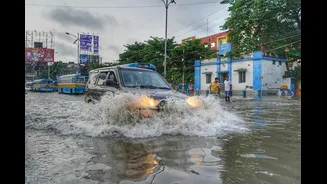
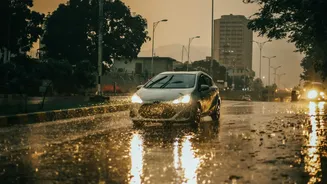
After a downpour, surfaces become treacherous. Wet tiled pavements, leafy park trails, and slick asphalt roads significantly increase the risk of slips and falls. The single most important feature of post-rain footwear is its outsole. Look for shoes with
a 'grippy' or 'sticky' rubber compound specifically engineered for wet traction. Many high-performance shoes use specialised rubber from companies like Continental or Vibram, known for their exceptional hold on wet surfaces. The pattern of the outsole, known as lugs, is also critical. Deeper, more aggressive lugs are designed to dig into soft, muddy ground, providing stability on trails. For city streets, look for outsoles with numerous grooves and channels, which help disperse water from under your foot, allowing the rubber to make direct contact with the ground for better grip.
The Waterproofing Dilemma
The immediate impulse for wet conditions is to buy 'waterproof' shoes, often featuring a Gore-Tex (GTX) membrane. This technology is excellent at keeping water from light rain or shallow puddles out. However, there's a significant trade-off: breathability. Waterproof membranes can trap sweat, and in India’s often humid post-monsoon climate, this can lead to uncomfortably hot and sweaty feet. Furthermore, once water gets inside a waterproof shoe—perhaps by running over the ankle cuff in a deep puddle—it has no way to escape. The shoe becomes a heavy, waterlogged bucket, increasing the risk of blisters and discomfort. This makes them best suited for cold and wet conditions, rather than warm and wet ones.
Consider Breathability and Drainage
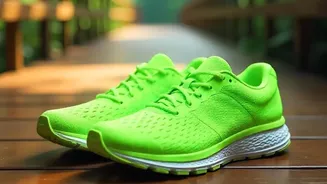
For many Indian runners and walkers, a better alternative to waterproof shoes is footwear designed for maximum breathability and quick drainage. Shoes with engineered mesh or synthetic uppers without a waterproof liner allow water to flow out almost as easily as it comes in. This ensures that your feet don't remain submerged. These materials do not absorb much water and dry much faster than traditional materials like leather or canvas. While your feet will get wet, they won't stay trapped in a swampy environment. Paired with the right socks, this approach often leads to greater comfort on long, wet runs in humid weather. The focus shifts from trying to keep water out entirely to managing it effectively once it's in.
Materials Matter for Uppers and Midsoles
When selecting your shoes, pay close attention to the upper materials. Lightweight synthetic fabrics and open-weave mesh are ideal as they repel water and promote airflow. Avoid shoes made from heavy canvas or untreated leather, which absorb water, become heavy, and take a very long time to dry. The shoe's midsole, the layer that provides cushioning and stability, is also important. It should be stable enough to support your foot on uneven, slippery ground. A shoe with a secure fit around the heel and midfoot will prevent your foot from sliding inside the shoe, which is a primary cause of blisters, especially when your skin is damp.
Don't Forget Your Socks
The best wet-weather shoes can be undermined by the wrong socks. Cotton is your worst enemy in wet conditions. It absorbs a huge amount of water, holds it against your skin, and loses its shape, leading to bunching and friction. This is a recipe for painful blisters. Instead, always opt for moisture-wicking socks made from synthetic materials like polyester or natural fibres like merino wool. These fabrics pull moisture away from your skin, helping to keep your feet drier and drastically reducing the chances of chafing and blisters, even when your shoes are soaked. A good pair of technical socks is a small investment that makes a massive difference in comfort and foot health.