





Prioritise Keeping Your Feet Dry
The most important rule for monsoon foot care is to keep your feet as dry as possible. Prolonged exposure to moisture softens the skin, a process called maceration, which weakens its natural protective barrier. This makes it easier for bacteria and fungi
to cause infections like Athlete's Foot. As soon as you get indoors after walking in the rain, remove wet shoes and socks. Wash your feet with a mild soap and pay close attention to drying them completely, especially the spaces between your toes where moisture loves to hide. A dry, clean towel is your best friend this season. Pat your skin dry rather than rubbing it aggressively, which can cause tiny abrasions.
Choose the Right Footwear
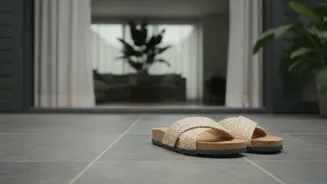
Your choice of footwear is crucial. Avoid leather, canvas, or other materials that absorb water and take a long time to dry. Instead, opt for open-toed sandals, flip-flops, or waterproof shoes made of rubber or other quick-drying materials that allow your feet to breathe. This helps prevent the warm, dark, and damp environment that fungi thrive in. It's also a good idea to have at least two pairs of everyday footwear and rotate them. This ensures you never have to wear a damp pair, as shoes can take 24 to 48 hours to dry out completely on the inside.
Upgrade Your Daily Cleaning Routine
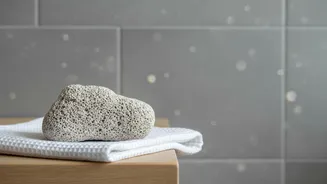
A simple daily wash is good, but a more structured routine is better during the monsoon. If you’ve walked through dirty, stagnant water, make it a habit to wash your feet with an antiseptic liquid or soap as soon as you get home. Once or twice a week, treat your feet to a warm salt-water soak for 10-15 minutes. This not only cleanses but also soothes tired feet. Follow this up by gently scrubbing your heels and soles with a pumice stone or a foot file to remove dead skin cells, which can otherwise trap dirt and contribute to cracked heels.
Use Antifungal Powder and Moisturise Smartly
For those who experience sweaty feet, an antifungal dusting powder is a preventative game-changer. Sprinkle it on your clean, dry feet before putting on socks and shoes. This helps absorb excess moisture and inhibits fungal growth throughout the day. While keeping feet dry is key, you shouldn't skip moisturising, as damp conditions can paradoxically lead to cracked heels. The trick is to moisturise correctly. Apply a good foot cream to your heels and soles, but avoid applying any lotion between your toes. Excess cream in these web spaces can trap moisture and encourage the very fungal infections you're trying to prevent.
Pay Attention to Your Toenails
Toenails can become a collection point for dirt and bacteria, so proper nail care is essential. Keep your toenails trimmed short and cut them straight across to prevent ingrown nails. Long nails can trap significant amounts of dirt and moisture, increasing the risk of painful and stubborn fungal nail infections. When you clean your feet, use a soft brush to gently clean under your nails. If you notice any discolouration (yellow or brown spots), thickening, or brittleness, it could be a sign of a fungal infection that needs attention.
Never Walk Barefoot
As tempting as it might be to walk barefoot on wet grass or cool floors, it's a risky habit during the monsoon. Dirty water and damp surfaces in public areas or even at home can be teeming with bacteria and fungi. Walking barefoot exposes your skin directly to these pathogens, significantly increasing your risk of picking up infections like plantar warts or Athlete's Foot. Always wear slippers or sandals, even indoors. In shared wet spaces like gym showers or pools, waterproof footwear is non-negotiable.