



The Decline of Impractical Commuter Shoes
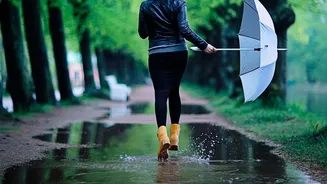
For years, the unwritten rule for office-goers was to prioritise formal aesthetics over functional comfort. This often meant navigating waterlogged streets and crowded public transport in leather shoes that stain and warp with moisture, or heels that offer
precarious footing on slick surfaces. The result was an annual cycle of damaged footwear, uncomfortable commutes, and the risk of slips and falls. However, the collective mindset is evolving. The emphasis on wellness and practicality has reshaped workwear codes, making room for footwear that serves the wearer's real-world needs. The 2026 season marks a definitive turn away from shoes that can't handle a downpour, championing choices that are resilient, safe, and still office-appropriate.
Why Flats are Winning the Monsoon
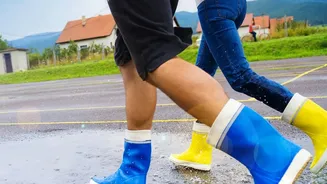
The rise of the practical flat is less a fleeting trend and more of a logical conclusion. Their primary advantage is safety. Flat soles with textured grips provide superior traction and stability on wet, uneven, and slippery pavements, significantly reducing the risk of accidents. Beyond safety, there's the matter of hygiene and convenience. Unlike leather and canvas which absorb and hold water, leading to fungal growth and unpleasant odours, monsoon-friendly flats are typically made from waterproof materials that are easy to clean and quick to dry. This means you can arrive at your destination, wipe your shoes dry, and avoid the dreaded squelch of a water-soaked shoe for the rest of the day. This blend of safety, hygiene, and comfort makes them an undeniable choice for the modern commuter.
The Anatomy of a Perfect Monsoon Flat
Not all flats are created equal, especially when facing a downpour. The key lies in the material and construction. The best options are crafted from waterproof or highly water-resistant materials like PVC, rubber, EVA (ethylene-vinyl acetate), and Croslite. These synthetic materials don't absorb water, prevent damage, and can be wiped clean in seconds. Look for features like an anti-skid or slip-resistant sole, which is crucial for grip. Many modern designs incorporate textured footbeds to prevent your foot from sliding inside the shoe when wet, a common cause of blisters. Open-toed styles like stylish sandals or sliders offer great ventilation, while options like jelly ballet flats provide more coverage and a professional look without trapping moisture.
From Practical to Polished: Styling Flats for Work
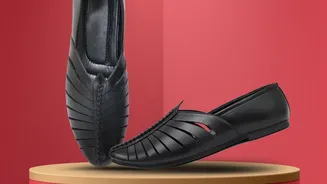
The fear that practical monsoon footwear looks unprofessional is officially outdated. The 2026 market is filled with flats that are both functional and chic. Jelly ballet flats, for instance, are seeing a major revival, offering a touch of nostalgic Y2K style in office-appropriate silhouettes that pair well with trousers and dresses. Sleek, minimalist rubber-soled flats and loafers in neutral colours like black, beige, or navy can seamlessly integrate into a formal wardrobe. For a business-casual setting, well-designed waterproof slides or buckled sandals can be paired with ankle-length trousers or culottes to maintain a sharp, polished look while keeping your feet dry and comfortable. The key is choosing clean designs and classic colours that complement your professional attire.
Caring for Your Monsoon Footwear
Even the most durable monsoon flats need a little care to last the season. The primary rule is to clean them regularly. A quick rinse to remove mud and pollutants after your commute prevents staining and abrasive wear. Since they are made of non-porous materials, they can be simply wiped down and left to air dry. Avoid storing them while still damp to prevent any potential mildew in humid conditions. For closed-toe styles, sprinkling a bit of baking soda or placing a dry tea bag inside overnight can help absorb any lingering moisture and combat odours, ensuring your shoes are fresh and ready for the next day's commute.