



Artemis: A New Lunar Era and an Invitation for India
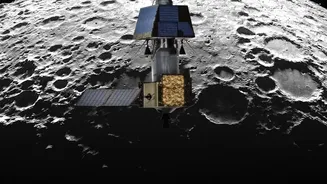
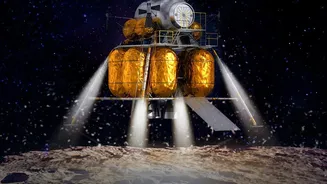
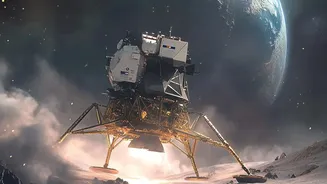
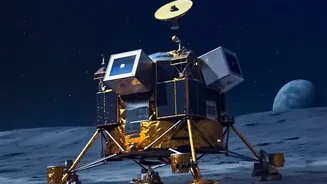
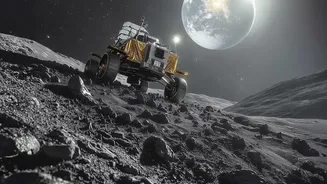
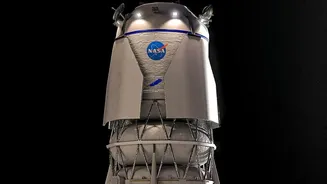
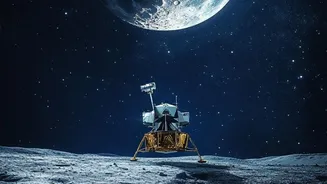
The most ambitious of NASA's current endeavors is the Artemis program, which aims to establish a long-term human presence on the Moon. After a decades-long absence, NASA is not just going back, but going to stay. In August 2026, NASA invited ISRO to join
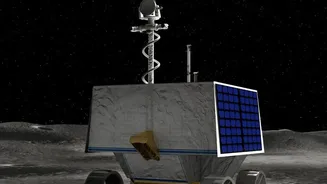
its Moon Base program, a significant step that builds upon India signing the Artemis Accords in 2023. This collaboration would deepen the India-US space partnership, potentially involving ISRO in building a permanent outpost near the lunar south pole. The base plans to leverage the region's shadowed craters, which may hold water ice—a critical resource for life support and rocket fuel. The Artemis 3 mission, which will mark humanity's return to the lunar surface, is targeting a 2027 launch. While India's exact role is still under discussion, the invitation itself signals a new level of trust and opens the door for India to contribute to—and gain from—the next chapter of lunar exploration.
NISAR: The All-Seeing Eye For Earth
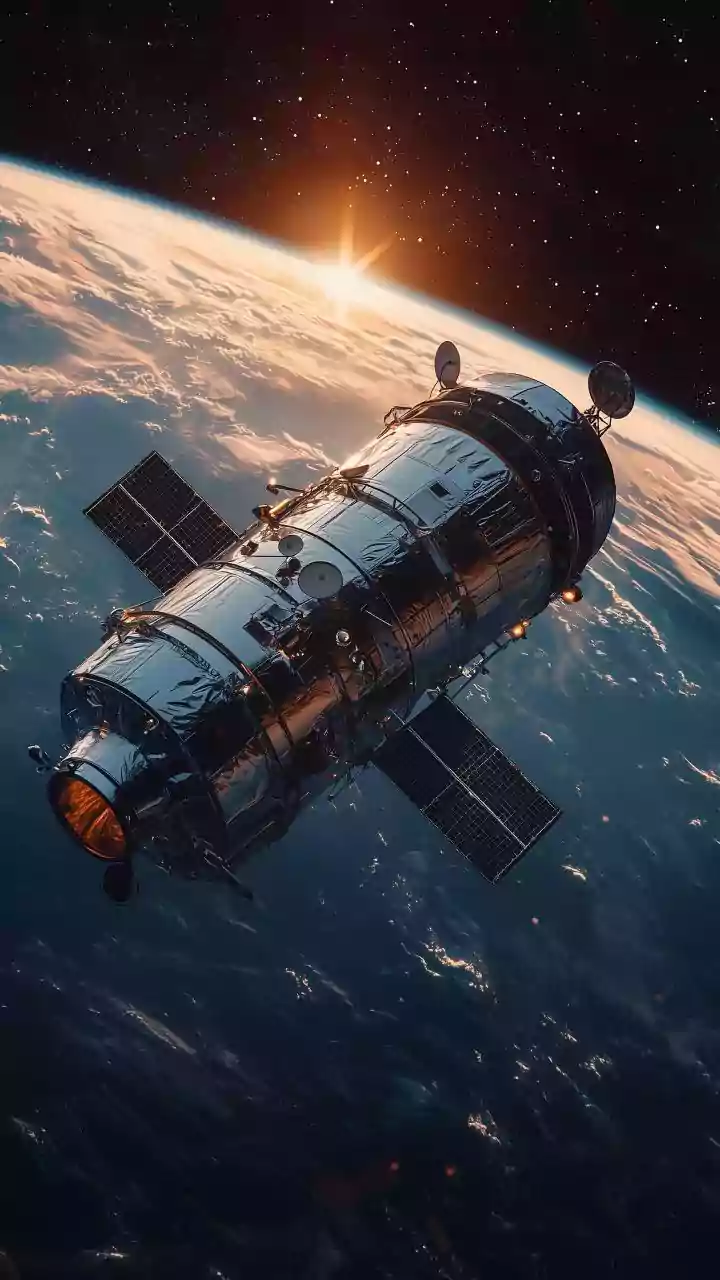
Perhaps the most direct and powerful collaboration between NASA and ISRO is the NISAR (NASA-ISRO Synthetic Aperture Radar) mission. Launched in July 2025, this sophisticated Earth-observation satellite is a true partnership, combining NASA's L-band and ISRO's S-band radar instruments. By mid-2026, the mission is already providing a wealth of data, making its observations publicly available. NISAR is designed to monitor our planet in unprecedented detail, tracking changes with measurements as small as a centimeter. For India, the applications are immense. The satellite will provide crucial data for managing agricultural resources, monitoring groundwater, and understanding the impact of climate change on the fragile Himalayan ecosystem. It will also be a vital tool for disaster management, helping to study earthquakes, landslides, and floods. NISAR represents a landmark collaboration that brings tangible benefits back to Earth.
Gateway: The Staging Post for Deep Space
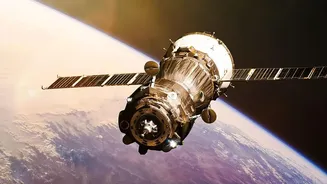
While boots on the Moon get the headlines, the backbone of long-term lunar exploration is the Gateway, a planned space station in orbit around the Moon. This multipurpose outpost will serve as a docking port for spacecraft, a science lab, and a temporary home for astronauts before they descend to the lunar surface. Gateway is an international effort, with major contributions from the European (ESA), Japanese (JAXA), and Canadian (CSA) space agencies. Although development on the full station was paused earlier in 2026 to focus on the surface missions, key technologies and modules are still moving forward, with a launch targeted for no earlier than 2027. As a signatory of the Artemis Accords, India is part of the broader framework that governs this collaborative spirit. Future participation in projects like Gateway could be a logical next step for ISRO as it expands its human spaceflight capabilities beyond Low Earth Orbit, following its own planned Gaganyaan missions.
The Bigger Picture: Mars and Beyond
NASA's ambitions extend well beyond the Moon. The Artemis program and the Gateway station are explicitly seen as stepping stones for eventual human missions to Mars. Building a sustainable base on the Moon will allow NASA and its partners to test the technologies, systems, and procedures needed for a multi-year journey to the Red Planet. Projects like the Mars Sample Return mission, which aims to bring back the first pristine samples of Martian rock and soil, continue to push the boundaries of robotic exploration. These grand-scale missions require global cooperation. As ISRO charts its own ambitious path, including a planned human landing on the Moon by 2040 and the Bharatiya Antariksh Station by 2035, the opportunities for collaboration with NASA on these frontier missions are set to grow. Watching NASA's progress is like getting a preview of the shared challenges and triumphs that await humanity in space.