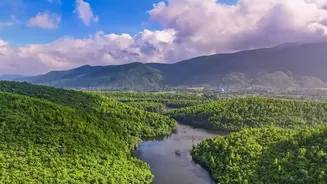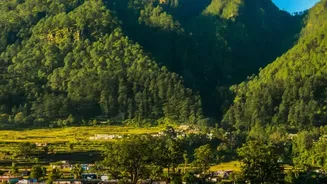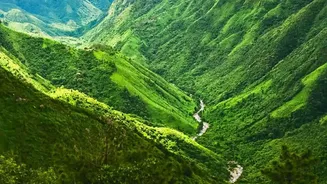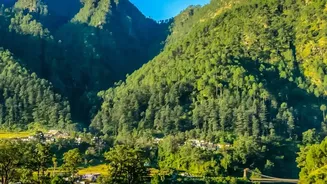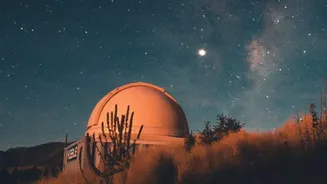


In a world flooded with artificial light, the simple act of looking up at a truly dark sky is a rare and profound experience. In India's far northeastern frontier, Arunachal Pradesh offers a pristine canvas for this cosmic connection.
Why Arunachal's Skies Dazzle
Arunachal Pradesh's
reputation as a premier stargazing destination is no accident; it is a direct result of its unique geography. The state's high altitudes, sparse population, and minimal industrialisation mean both light and air pollution are incredibly low. Mountain ranges act as natural barriers, shielding the valleys from the glow of distant towns. This combination results in exceptionally clear and dark skies, often rated as Bortle Class 1 or 2—the darkest possible, where the Milky Way can be so bright it casts a shadow. This level of clarity, comparable to India's first official dark sky reserve in Hanle, allows observers to see thousands of stars, nebulae, and even other galaxies with the naked eye.
Anini: The Ultimate Dark Sky Sanctuary
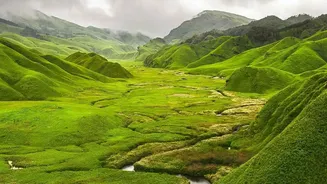
For those seeking the purest stargazing experience, Anini in the Dibang Valley is the crown jewel. Considered one of the darkest inhabited places in India, its remoteness is its greatest asset. Situated at an altitude of around 2,400 metres, the skies here are profoundly dark, offering breathtaking views of the Milky Way core. The journey to Anini is long, often requiring a two-day drive from the nearest major airport in Dibrugarh, but the reward is a celestial panorama untouched by modern life. Local initiatives and astro-tourism events are beginning to take shape, making this once-inaccessible frontier slightly more approachable for dedicated sky-watchers.
Tawang: Stars Above the Monastery
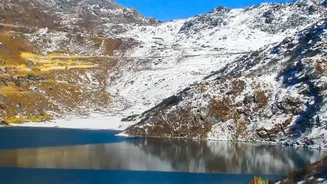
Tawang offers a magical blend of cultural heritage and cosmic beauty. At an altitude of about 3,000 metres, the air is thin, dry, and exceptionally clear, sharpening the visibility of stars. The iconic Tawang Monastery, perched dramatically on a mountainside, provides a stunning foreground for astrophotography. Imagine capturing the sprawling arms of our galaxy arching over the centuries-old structure. While more accessible than Anini, Tawang still boasts remarkably dark skies that draw both pilgrims and stargazers to its high-altitude haven. The nearby Sela Pass and Bomdila are also noted spots for setting up a telescope or simply lying back to watch for shooting stars.
Mechuka: The Forbidden Valley's Celestial View
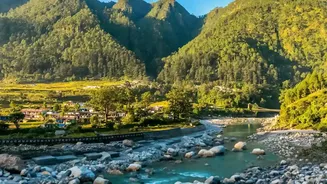
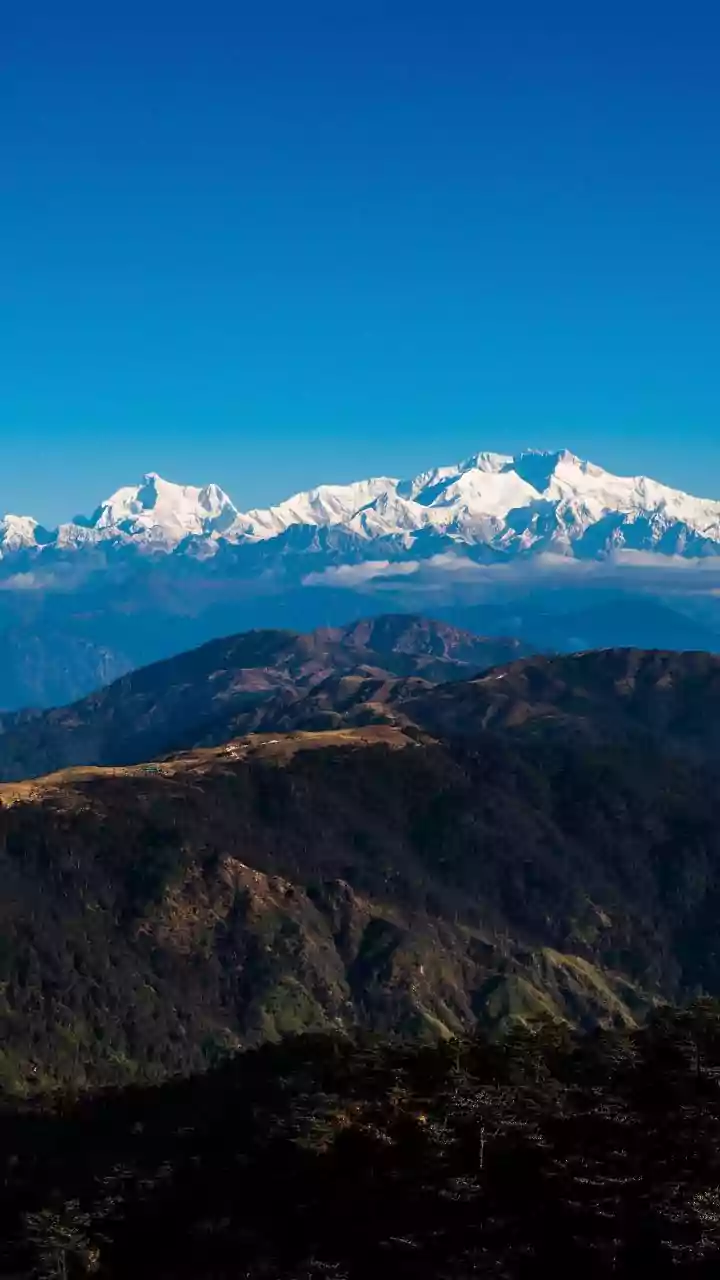
Often called the 'Forbidden Valley' due to its past remoteness, Mechuka is another gem for astronomers. Nestled in a picturesque valley at around 1,800 metres, its clear, dark skies are framed by snow-capped peaks. Like Anini, Mechuka is reported to have Bortle Class 1 skies, where the celestial display is overwhelmingly brilliant. The valley's wide-open vistas provide an unobstructed 360-degree view of the horizon, perfect for watching constellations rise and set. Its growing popularity for adventure and eco-tourism means there are now homestays available, allowing visitors to immerse themselves in local culture while waiting for night to fall.
Planning Your Stargazing Trip
Timing is everything when it comes to stargazing in Arunachal Pradesh. The best window is during the winter months, from late October to March. During this period, the monsoon clouds have dissipated, and the air is dry and crisp, offering maximum transparency. November and December are often cited as the absolute best months for the sharpest views. Be sure to plan your trip around the new moon, as a full moon can wash out fainter stars. Pack warm layers, as night temperatures at high altitudes can be freezing even in milder seasons. Lastly, all domestic tourists require an Inner Line Permit (ILP) to enter Arunachal Pradesh, which must be arranged in advance.