





Decoding IMD's Colour Alerts
Before you travel, it's crucial to understand the IMD's colour-coded warnings. A 'Yellow' alert means you should be aware and stay updated, as weather could worsen. An 'Orange' alert signals a need to be prepared for disruptions like waterlogging and travel delays,
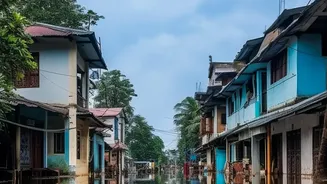
as heavy to very heavy rain is likely. The 'Red' alert is the most serious, asking you to 'take action'. It signifies a forecast of extremely heavy rainfall, where travel should be avoided unless absolutely essential due to a high risk of flooding and major disruptions.
What is a 'Weather Buffer'?
A weather buffer isn't a physical item but a crucial planning strategy for monsoon travel. It means building extra time and flexibility into your schedule to account for unforeseen delays. Heavy rain can cause traffic jams, waterlogged roads, and delayed trains. A buffer might mean leaving an hour earlier for the office, scheduling a long-distance trip with a few spare hours before a connection, or having a backup plan if your primary route is blocked. It’s about anticipating disruptions and giving yourself the room to manage them without stress or risk.
Building Buffers for Road Travel
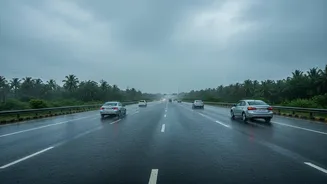
For those driving a car or riding a two-wheeler, a weather buffer is non-negotiable. Start with a vehicle check: ensure your tyres have adequate tread, brakes are effective, and wipers are working perfectly. On the road, reduce your speed significantly, as wet surfaces increase braking distance and the risk of skidding. Maintain a greater distance from the vehicle ahead. Use navigation apps that flag waterlogged areas and be prepared to take alternative routes. If visibility becomes extremely poor, it is safer to pull over and wait. Most importantly, never attempt to drive through flooded streets; the water can hide potholes or disable your vehicle.
Navigating Rail Journey Disruptions
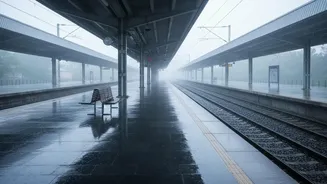
Train services are also heavily impacted by monsoons, with waterlogged tracks and landslides causing widespread delays and cancellations. Before leaving for the station, always check your train's live running status using official portals like the National Train Enquiry System (NTES). Platforms can become very slippery, so wear footwear with a good grip and stay behind the safety line. Listen to station announcements for any last-minute platform changes or delays. Since long waits are common, packing essentials like a power bank, drinking water, and some snacks can make the journey more comfortable. Indian Railways often places maintenance teams on high alert to prevent waterlogging and restore services, but delays are still a reality.
Your Monsoon Travel Essentials
A well-packed bag can be a significant part of your weather buffer. A waterproof backpack or rain cover is essential for protecting electronics and important documents. Keep your phone fully charged and carry a power bank. A small umbrella or a lightweight raincoat provides immediate protection. It's also wise to carry a basic first-aid kit, any personal medications, and a bottle of water. If you get drenched, having an extra pair of dry socks or even a change of clothes can make a huge difference to your comfort and health.