




Meet the Ghost Pepper
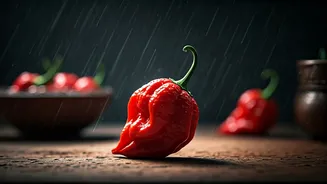
The flavour bomb capturing the nation’s palate is none other than the Bhut Jolokia, also known as the Naga King Chilli or ghost pepper. For years, its reputation preceded it—a near-mythical chilli from the hills of Northeast India, once certified as the world's
hottest. But to label it merely as ‘hot’ is a disservice. This is not the one-dimensional, sharp burn of a common green chilli. The Bhut Jolokia offers a slow, smouldering heat that builds, accompanied by a distinctively smoky and almost fruity flavour profile. It’s this complexity that has chefs, home cooks, and food entrepreneurs across India finally looking past the intimidating heat to harness its unique taste.
A Journey from Hills to High Street
Cultivated for centuries in Nagaland, Manipur, and Assam, the Bhut Jolokia is deeply woven into the region's culinary and cultural fabric. Traditionally, it was used sparingly to add warmth and flavour to meat stews, pickles (achars), and chutneys, providing a welcome defence against the damp, chilly weather. For generations, its fame was confined to the Northeast. But now, thanks to a confluence of factors—a growing appreciation for regional Indian cuisines, the power of social media food trends, and the rise of artisanal food producers—the ghost pepper has embarked on a journey. It’s appearing on hip restaurant menus in Mumbai, in gourmet sauces sold online, and in the pantries of adventurous home cooks in Delhi and Bengaluru.
Why It's a Monsoon Perfect Match
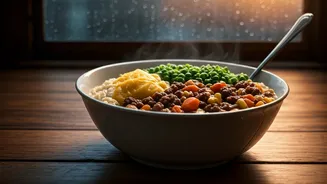
The timing of its rise to fame is no coincidence. There's a scientific and psychological reason we crave spicy food, especially when it’s cold and rainy. The capsaicin in chillies triggers a warming sensation in the body and releases endorphins, creating a feeling of comfort and mild euphoria. The Bhut Jolokia, with its profound, lingering heat, is the ultimate comfort ingredient for the monsoon season. It’s the culinary equivalent of wrapping yourself in a warm blanket. Its smoky notes pair beautifully with classic rainy-day foods, elevating a simple bowl of soup or adding a thrilling kick to grilled corn (bhutta).
The New Face of Indian Heat
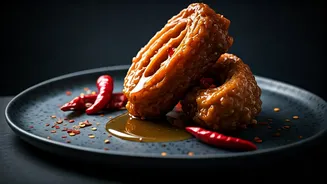
The ghost pepper's modern-day takeover is creative and surprisingly versatile. Forget simply dicing it into a curry. Today, it’s being infused into honey to create a ‘hot honey’ drizzle for fried chicken or pizza. It’s the star of countless artisanal hot sauces, each balancing its fire with ingredients like pineapple, mango, or smoked jaggery. You’ll find Bhut Jolokia-spiked mayonnaise served with fries, fiery dips accompanying momos, and even a dusting of its powder on popcorn. Some intrepid mixologists are even using tinctures of it to create spicy cocktails that tingle the palate. This isn't just about heat; it's about using that heat as a complex flavouring agent.
How to Tame the Ghost
Intrigued but intimidated? Approaching the Bhut Jolokia is about respect, not fear. The easiest entry point is through a processed product, like a bottled hot sauce or a pickle, where the heat is already tempered. When using a sauce, start with a single drop. You can always add more. If you're brave enough to cook with the fresh or dried chilli, remember that a little goes a very long way. A tiny sliver can flavour an entire pot of dal or curry. Always handle with gloves and keep it away from your eyes. The key is to introduce its flavour without letting its heat overwhelm the dish. Pairing it with dairy (like yogurt or cheese) or starchy foods can help mellow the burn if you accidentally go overboard.