





Cherrapunji: Where Waterfalls Roar to Life
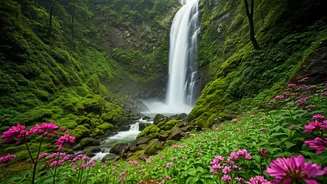
Known as one of the wettest places on Earth, Cherrapunji (or Sohra) is the epicentre of monsoon magic. This is when its famous waterfalls are at their most spectacular. Nohkalikai Falls, India's tallest plunge waterfall, transforms from a single stream
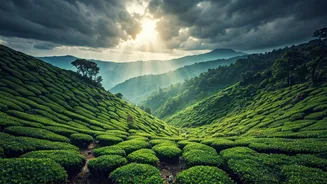
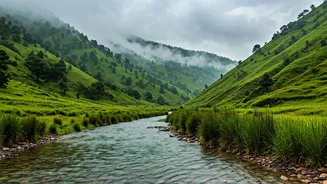
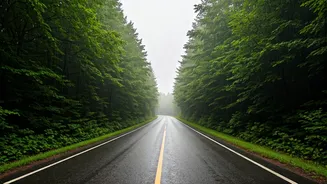
into a thundering cascade, dropping dramatically into a turquoise pool below. Nearby, the Seven Sisters Falls live up to their name as multiple cascades flow down limestone cliffs in unison, a sight best witnessed during the rains. The entire landscape becomes a canvas of vibrant greens and dramatic, low-hanging clouds, making the drive from Shillong an experience in itself. Beyond the main attractions, you’ll find other powerful falls like Dainthlen and the three-tiered Wei Sawdong, which require a short trek but reward you with breathtaking views.
The Living Root Bridges of Nongriat
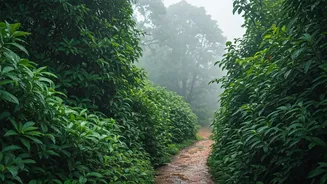
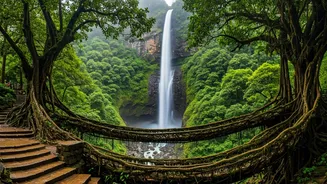
Meghalaya’s most iconic wonders, the living root bridges, are even more enchanting during the monsoon. For centuries, the indigenous Khasi communities have guided the roots of rubber fig trees across rivers, creating natural bridges that grow stronger over time. The most famous of these, the Double-Decker Root Bridge in Nongriat village, is a testament to this incredible bio-engineering. Reaching it involves a trek of around 3,500 steps, but the journey through the rain-drenched forest, with the sounds of rushing water all around, is part of the adventure. During the monsoon, the streams beneath the bridges are full and flowing, highlighting the essential role these structures play in connecting remote villages. Walking across these moss-covered, living structures feels ancient and utterly magical.
Shillong: The Misty Scotland of the East
Shillong, the state's capital, offers a charming blend of urban comforts and natural beauty, all wrapped in a cool, misty monsoon blanket. Umiam Lake, on the outskirts of the city, becomes vast and serene, its waters reflecting the grey, cloudy sky. Within the city, you can take a peaceful stroll around Ward's Lake as a light drizzle falls. The powerful, three-tiered Elephant Falls are particularly impressive during this season, with the increased water flow making for a thunderous spectacle. When the rain gets heavier, you can retreat into one of Shillong’s many cosy cafes for a hot cup of tea and local Khasi snacks, or explore the Don Bosco Museum to learn about the region's diverse cultures.
Mawlynnong: Asia's Cleanest Village Washed Anew
Famed as 'Asia's Cleanest Village', Mawlynnong’s charm is amplified during the monsoon. The rain washes the stone-paved pathways clean, making the lush gardens and bamboo dustbins that line the streets sparkle. This isn't a tourist gimmick but a way of life, with every resident participating in keeping the village pristine. The village offers stunning views of the plains of Bangladesh, often shrouded in mist during this season. A short walk from Mawlynnong takes you to the Riwai single-decker living root bridge, a more easily accessible but equally beautiful example of Khasi ingenuity. The combination of immaculate surroundings and vibrant greenery makes it feel like stepping into a storybook.
Practical Tips for a Monsoon Trip
Travelling to Meghalaya during the monsoon requires some preparation. Pack waterproof jackets, quick-drying clothes, and sturdy shoes with good grip, as trails can be slippery. It is essential to protect your electronics like cameras and phones with waterproof bags. While roads are generally accessible, landslides can cause delays, so it’s wise to keep your itinerary flexible and allow for extra travel time. Hiring a local driver experienced with the terrain is highly recommended. Finally, carry sufficient cash, as ATMs can be scarce in remote areas, and book your accommodations in advance, especially in popular spots like Cherrapunji.