








A New Class of Overnight Travel
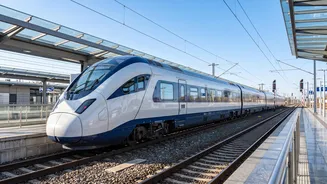
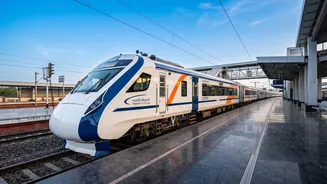
Indian Railways is expanding its celebrated Vande Bharat platform from daytime chair cars to long-distance overnight journeys. The Vande Bharat sleeper is designed specifically for routes that are too long for a day trip, directly competing with established
premium trains like the Rajdhani Express. The first sleeper service was launched in January 2026 between Howrah and Kamakhya. The goal is to provide a faster, smoother, and more modern alternative for passengers travelling distances of 800 to 1,200 kilometres. These trains are self-propelled, meaning they don't require a separate locomotive, which allows for quicker acceleration and deceleration, ultimately saving travel time.
What Makes the Sleeper Different?
The Vande Bharat sleeper trains are a significant upgrade over conventional overnight trains. Each 16-coach trainset is designed to carry around 823 passengers across three classes: AC First, AC Two-Tier, and AC Three-Tier. The interiors are designed for superior comfort, with better-cushioned, broader berths, ambient lighting, and individual reading lights. Key features include automatic doors, improved soundproofing for a quieter journey, bio-vacuum toilets with odour control, and CCTV cameras for enhanced safety. A standout feature is the elimination of Reservation Against Cancellation (RAC) tickets, which means every passenger is guaranteed a full berth, ending the uncomfortable practice of berth sharing. The trains are also equipped with India's indigenous anti-collision system, Kavach 4.0, for enhanced safety.
The Pune Connection: A Major Boost
While several Vande Bharat chair car services already connect Pune, the introduction of a sleeper service would be transformative for long-haul routes. The most concrete development is the announcement of India's second Vande Bharat sleeper, which will connect Bengaluru and Mumbai and is scheduled to launch on November 1, 2026. Crucially, Pune is a confirmed stop on this route. This new service is expected to reduce the journey time between Bengaluru and Mumbai to just 16 hours, a significant reduction from the current 22-24 hours, benefiting Pune passengers travelling in both directions. Other proposed sleeper routes that could involve Pune are under consideration, including connections to Nagpur and other major cities, though official announcements are awaited.
Beyond Speed: A Better Passenger Experience
The Vande Bharat sleeper aims to redefine the entire journey experience. With a distributed power system, the jerks and noise typical of locomotive-hauled trains are significantly reduced, ensuring a smoother ride. The catering is also being tailored to routes, with menus featuring regional delicacies. For example, the inaugural Howrah-Kamakhya service offers Bengali and Assamese cuisine. Passengers can expect a clean, modern environment with amenities like sensor-based water taps, modular pantries, and advanced fire safety systems. For First AC passengers, there's even the luxury of a hot shower facility. These features position the Vande Bharat sleeper not just as a faster train, but as a premium, hotel-like experience on wheels.
Strengthening Pune's National Connectivity
The inclusion of Pune on the new Bengaluru-Mumbai sleeper route solidifies the city's role as a critical node in India's evolving railway network. This enhanced connectivity supports the growing economic and social ties between Pune and other metropolises. Faster, more comfortable travel options make business trips, family visits, and tourism more feasible, bolstering Pune's economy. Furthermore, plans for new high-speed rail corridors connecting Mumbai-Pune and Pune-Hyderabad promise even more dramatic reductions in travel time in the future, potentially cutting the Mumbai journey to under an hour. The Vande Bharat sleeper is the first step in this broader vision, offering Pune's residents a tangible upgrade in intercity travel and a glimpse into the future of Indian Railways.