




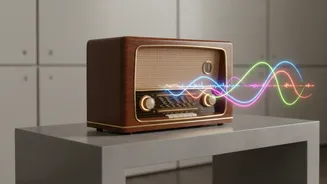


The Viral Time Machine
The most visible driver of this trend is social media. Platforms like Instagram Reels and YouTube Shorts have become virtual jukeboxes for retro hits. A 15-second clip of a classic 80s or 90s track paired with aesthetic visuals or a heartfelt moment can
quickly go viral, introducing artists like Lata Mangeshkar or Mohammed Rafi to an audience born decades after their peak. This has turned into a content strategy, with creators using the instant recall value of old songs to boost engagement. The algorithms on these platforms favor familiarity and emotional connection, creating a feedback loop where a trending old song is shown to more users, solidifying its comeback.
Beyond the Algorithm
While social media provides the spark, the fire is fueled by something deeper. For many young Indians, these songs were the background music of their childhood—played on car stereos during family road trips or on the radio at home. This creates an inherited nostalgia, a fondness for an era they may not have personally experienced but feel connected to through memory and emotion. Streaming services have also played a role. While sometimes criticized for pushing mainstream Bollywood, their curated playlists and 'discover' features can unearth forgotten gems, placing a classic ghazal next to a modern pop hit and bridging generational gaps.
A Search for Comfort and Authenticity
In a world that often feels fast-paced and chaotic, older music offers a sense of calm and simplicity. Many young listeners describe the melodies and lyrics as more honest and emotionally deep compared to some contemporary tracks, which can feel algorithmically engineered for virality. There's a feeling that older songs had a unique 'maahol' or atmosphere, focusing on soulful lyrics and real instruments over heavy production. This search for authenticity has led to a revival in not just film music, but also ghazals and even Indian classical music, with consumption among under-25s on platforms like Spotify seeing a significant increase. For many, this music is a form of healing in uncertain times.
Old Gold, New Shine
The trend isn't just about passive listening; it's also about active reinterpretation. A new generation of artists and music producers are remixing, sampling, and creating modern renditions of classic hits. This gives the songs a contemporary feel without losing their original soul. Films are also tapping into this, using reworked retro tracks to enhance storytelling and connect with audiences on a nostalgic level. This blend of old and new creates a perfect entry point for younger listeners, making the music feel both fresh and familiar. It's a testament to the timelessness of the original compositions that they can be adapted and still resonate powerfully.
Building Bridges Across Generations
Ultimately, this rediscovery is creating a shared cultural language between young Indians and their parents. A playlist featuring both current hits and golden oldies is no longer a source of conflict over the car stereo. Instead, it's a point of connection. When a young person discovers a song their parents loved, it opens up conversations about memories, youth, and shared history. The father-daughter duets of Kishore Kumar classics that go viral or the wedding sangeet where everyone, regardless of age, rushes to the dance floor for a 90s hit are powerful examples of this. It’s a reminder that great music doesn't belong to one era; it belongs to everyone.