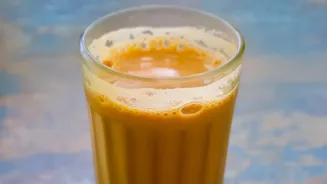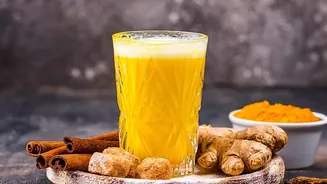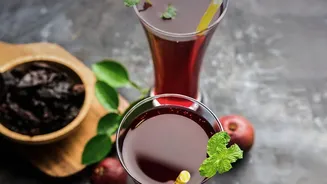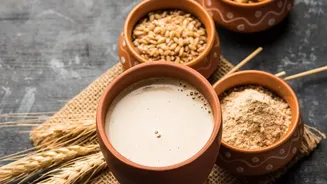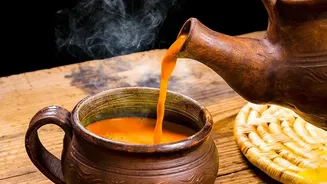


Walk into a wedding or festive party today, and you might notice something different at the welcome drinks counter. The once-ubiquitous trays of fizzy colas are making way for colourful, aromatic glasses of traditional Indian refreshments.
A Shift in the Festive Menu
For decades,
carbonated soft drinks were the default choice for quenching thirst at social gatherings across India. They were convenient, universally available, and a symbol of modern hospitality. However, a significant shift is underway. Event planners and hosts are now curating beverage menus that champion authenticity and wellness over mass-produced fizz. Instead of cola and orange soda, guests are being greeted with glasses of tangy Aam Panna, spiced Jaljeera, and cooling Kokum sherbet. This move isn't just about offering a different taste; it's a conscious decision reflecting a broader cultural and lifestyle evolution.
The Rising Tide of Wellness
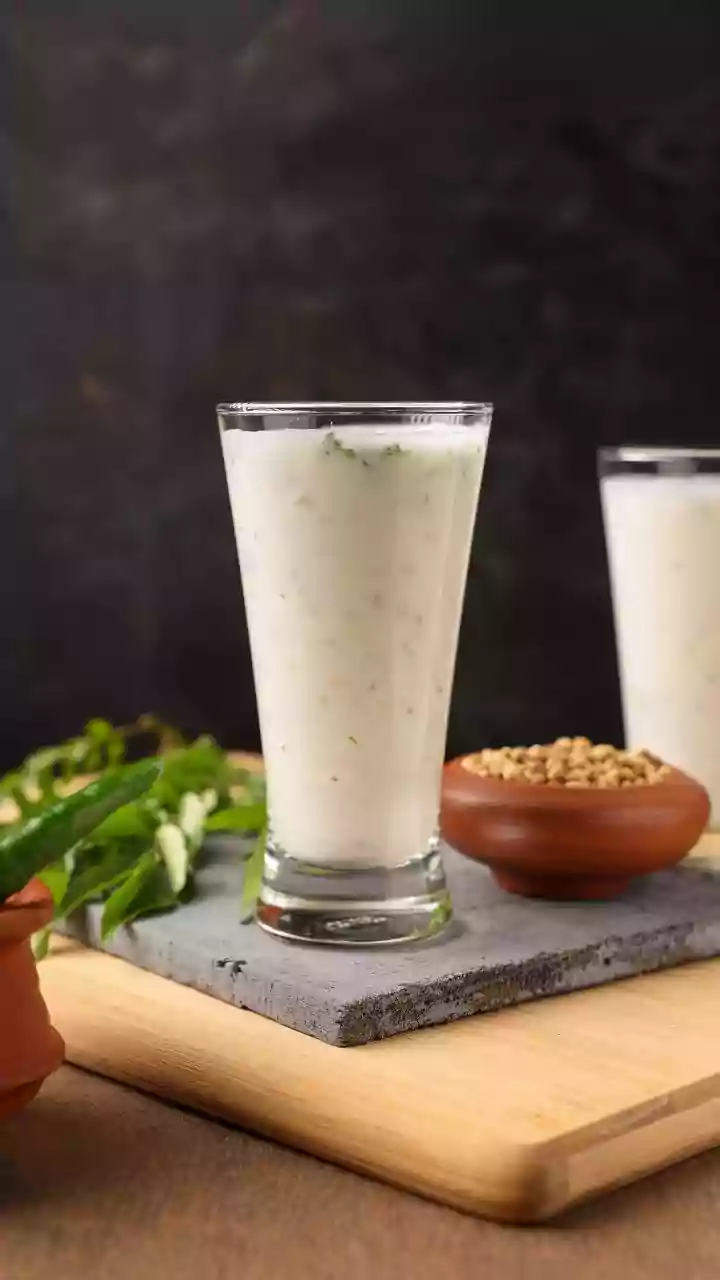
One of the primary drivers of this trend is a collective pivot towards healthier living. As awareness grows about the health risks associated with high sugar intake, such as weight gain and other lifestyle diseases, many are reconsidering their beverage choices. Traditional Indian drinks, often made from natural ingredients like fruits, herbs, and spices, present a wholesome alternative. Nutritionists point out that artificial sweeteners in diet sodas can disrupt gut health and even increase sugar cravings. In contrast, drinks like buttermilk (chaas) are natural probiotics that aid digestion, while coconut water is an excellent hydrator rich in electrolytes.
A Celebration of Cultural Roots
This beverage renaissance is also deeply connected to a growing sense of cultural pride. For many, serving traditional drinks is a way of reclaiming and celebrating indigenous food knowledge. These recipes, passed down through generations, tell a story of regional diversity and climatic wisdom. Serving Panakam, a classic South Indian welcome drink made with jaggery and ginger, at a wedding is a nod to tradition that elders appreciate. Similarly, offering Thandai during spring festivals or Aam Panna in the summer connects the celebration to its seasonal and cultural roots. It transforms the simple act of serving a drink into a meaningful cultural gesture.
The Experience is Everything
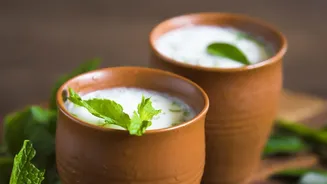
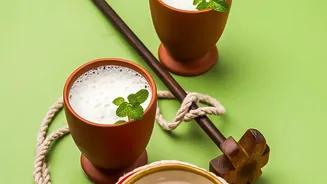
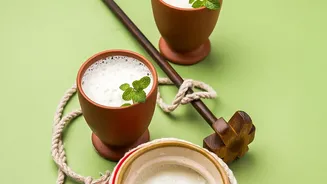
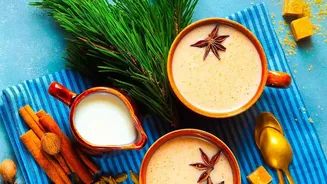
In the age of social media, presentation and experience are paramount. Traditional drinks offer a feast for the senses that canned sodas cannot match. Event planners are creating elaborate 'beverage bars' and live counters where drinks are prepared fresh. Imagine a vibrant pink Kokum sherbet served in a classic glass, a frothy Thandai in a traditional clay cup (kulhar), or a zesty Shikanji garnished with fresh mint and a sprinkle of masala. These drinks are not just refreshing; they are beautiful, aromatic, and make for great conversation starters—and even better photos. The preparation itself becomes a part of the entertainment, elevating the guest experience from passive consumption to active engagement.
The Stars of the Show
A diverse cast of traditional beverages is taking centre stage. Jaljeera, which translates to 'cumin water', is a tangy and appetising drink perfect for starting a feast. Aam Panna, made from raw green mangoes, offers a perfect balance of sweet and sour to combat the summer heat. Shikanji, a spiced lemonade with a hint of black salt and roasted cumin, is India's original electrolyte drink. From the south, Neer Mor (spiced buttermilk) and Panakam are popular choices. For richer tastes, there's Badam Milk (almond milk) and Thandai, a festive blend of milk, nuts, and spices. Each drink brings a unique flavour profile and a story of its origin, offering guests a journey through India's rich culinary landscape.