


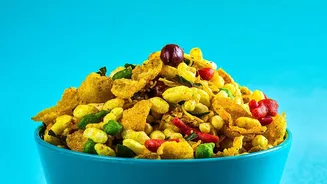
The Great Indian Snack-Over
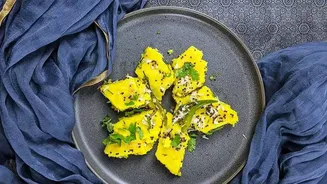
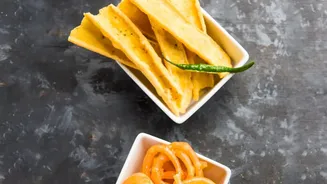
The contents of the Indian snacking cupboard are undergoing a significant transformation. Traditional favourites, while still loved, are now sharing shelf space with a new generation of packaged foods once confined to gyms and specialty health stores.
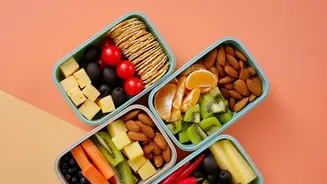
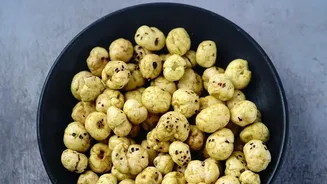
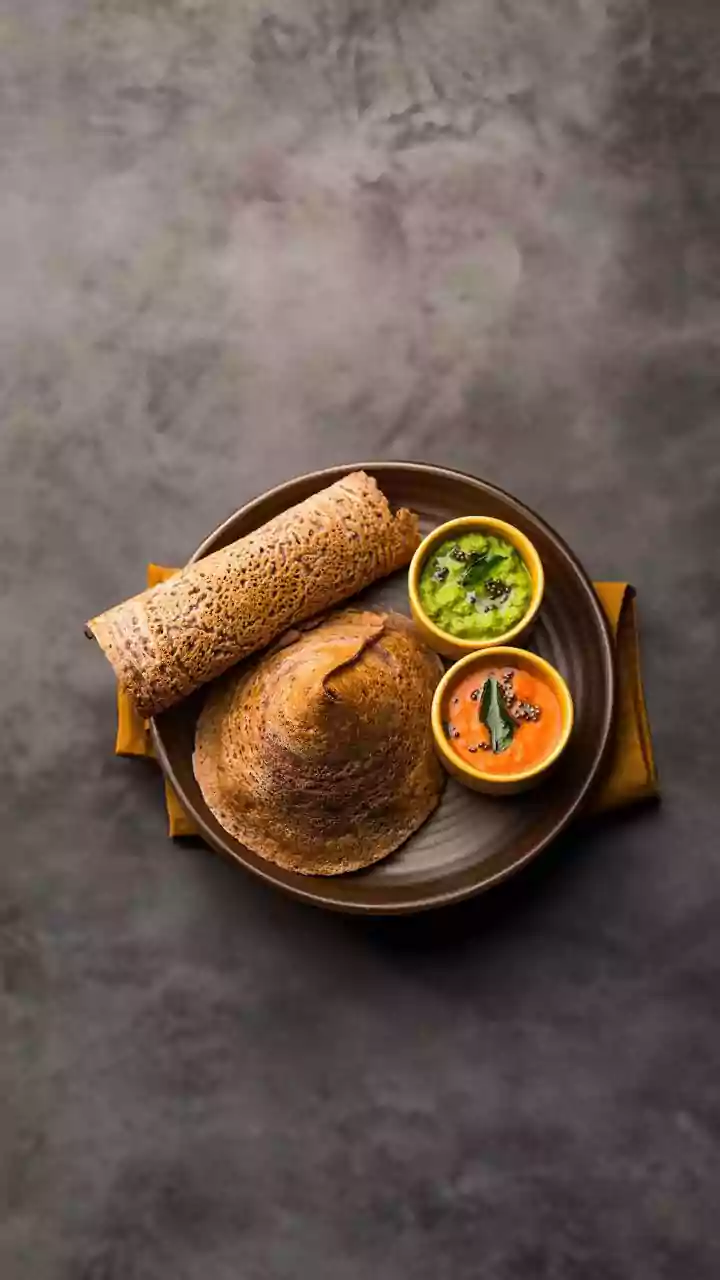
Items like makhana, which transitioned from a fasting food to a daily snack, are now a common alternative to fried chips. Similarly, millet-based products like ragi chips and jowar puffs are being rediscovered and presented in modern, convenient formats. This isn't about completely replacing indulgent snacks with healthier ones; rather, consumers are creating a balance. They might choose a healthier option for a weekday work break and save the classic fried snacks for weekends or social gatherings.
Why We're All Snacking Smarter
Several factors are driving this nationwide dietary evolution. A surge in health consciousness, amplified by the pandemic, has made consumers more mindful of what they eat. This is coupled with rising disposable incomes and fast-paced urban lifestyles that demand convenient yet nutritious food options. The growing awareness around lifestyle diseases has also played a crucial role, encouraging people to seek out snacks that offer functional benefits. A 2026 report found that a staggering 86% of Indian consumers consider protein an important factor when choosing snacks, showing a clear shift towards nutrition-led purchasing decisions. The influence of social media cannot be understated, with food bloggers and influencers introducing new products and normalising healthy eating habits.
Meet the New Snack Aisle Superstars
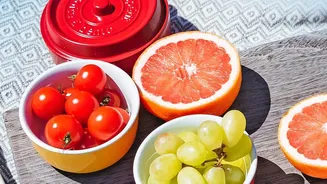
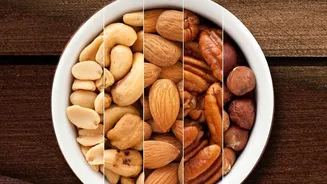
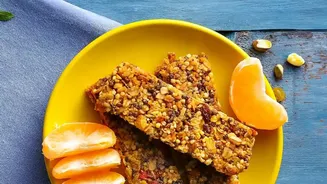
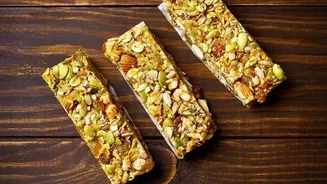
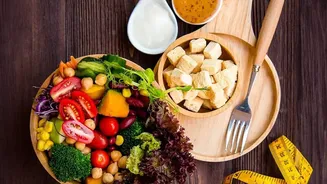
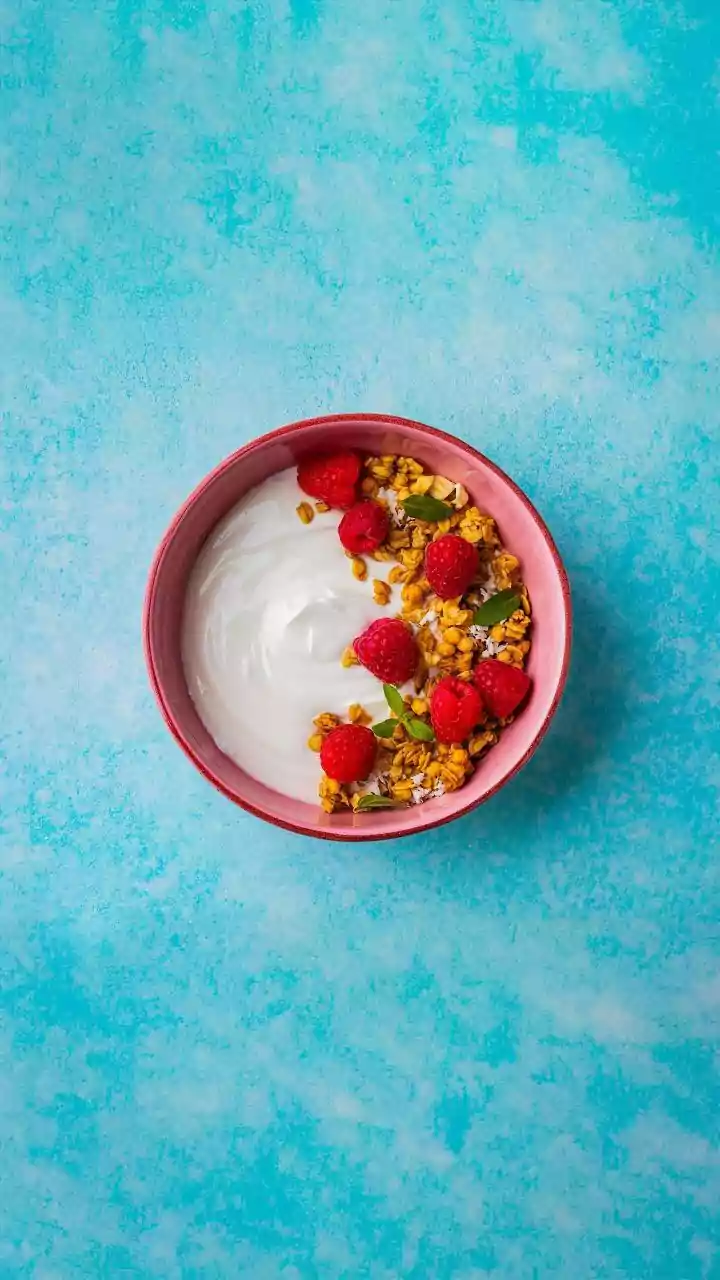
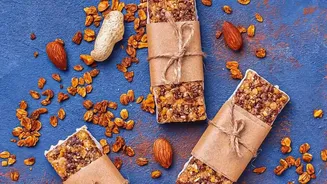
The variety of healthy snacks available today is vast. The market for these products in India was valued in the billions of US dollars in 2025 and is projected to grow significantly. Key categories leading this charge include nuts, seeds, and dried fruits, which form the largest segment. Granola and protein bars are among the fastest-growing, catering to the on-the-go consumer. Millets have made a major comeback, appearing in everything from cookies and crackers to ready-to-cook mixes, supported by government initiatives and their inherent nutritional benefits. Brands are also innovating with plant-based, gluten-free, and vegan options to cater to diverse dietary needs, often using natural sweeteners like dates or jaggery instead of refined sugar.
Startups and a Digital Shopping Cart
This snacking revolution is being fueled by a wave of direct-to-consumer (D2C) startups. Brands like The Whole Truth, Yoga Bar, and Happilo have disrupted the market with innovative products and savvy digital marketing, connecting directly with millennials and Gen Z. The rise of quick commerce and online retail has been a game-changer, allowing smaller brands to compete with established giants on a level playing field. On a delivery app, a new organic brand can appear right next to a household name, with purchasing decisions driven by ingredients and reviews rather than just brand recognition. This digital access has made discovering and trying new healthy snacks easier than ever for the average consumer.
Are All 'Healthy' Snacks Created Equal?
As the market floods with options, navigating the claims on packaging has become a new skill for shoppers. Consumers are becoming more label-conscious, looking for transparency and clean ingredients. The term "healthy" can be subjective, and it's important to look beyond the front-of-pack marketing. Checking the full ingredient list for hidden sugars, unhealthy fats, and high sodium levels is key. The most effective approach is to prioritise snacks made from whole, recognizable ingredients. While many new products offer genuine nutritional benefits, being an informed consumer is the best way to ensure your healthy choices truly are what they claim to be.