







Understanding the Current Alert
The IMD has placed Mumbai under an Orange Alert for Tuesday, July 7, forecasting heavy to very heavy rainfall accompanied by strong, gusty winds. This warning, though a downgrade from the Red Alert that was active over the previous days, still signifies
a need for high preparedness. Heavy downpours can lead to significant disruptions. In response, the Brihanmumbai Municipal Corporation (BMC) has declared a holiday for all schools and colleges as a precautionary measure to ensure student safety. Citizens are being advised by authorities to avoid venturing out unless absolutely necessary.
The Compounding Danger of High Tides
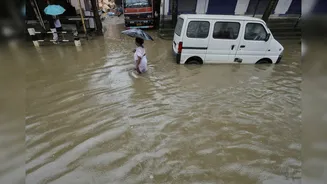
A significant factor amplifying the risk is the high tide schedule. On Tuesday, a high tide is expected in the afternoon, which can severely hamper the ability of the city's drainage systems to discharge rainwater into the sea. When heavy rainfall coincides with a high tide, the water has nowhere to go, leading to waterlogging in low-lying areas. This combination has historically been a recipe for widespread flooding across Mumbai, turning routine commutes into hazardous journeys and inundating homes and businesses. The BMC consistently advises residents to steer clear of coastal areas during these periods.
Why This Isn't Just Another Rainstorm
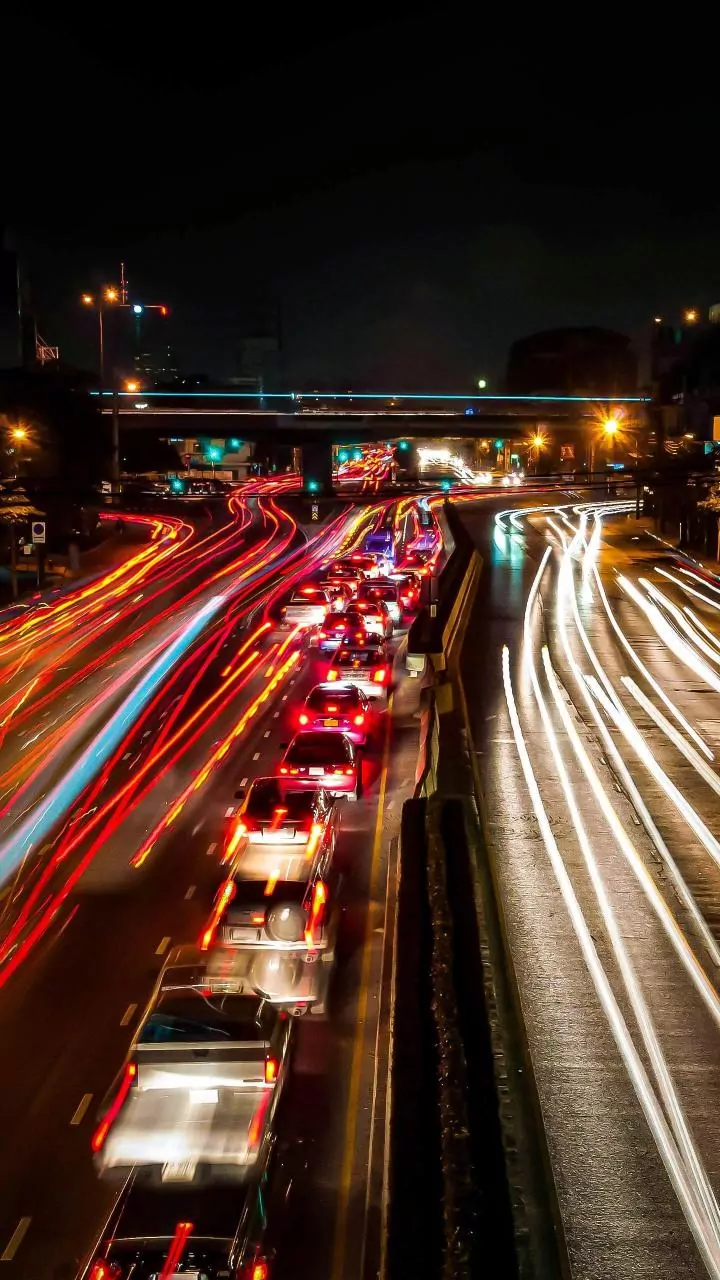
For Mumbaikars, a heavy rain warning is never taken lightly. The city's memory is scarred by catastrophic floods, most notably the deluge of July 26, 2005, when unprecedented rainfall brought the city to its knees. Mumbai's unique geography, with many parts of the city being low-lying reclaimed land, makes it exceptionally vulnerable. Unplanned urbanisation, an ageing drainage system not designed for current rainfall intensity, and the gradual destruction of natural buffers like mangroves have compounded the problem over decades. These factors mean that even a few hours of intense rain can overwhelm the city's infrastructure, leading to the kind of chaos seen in recent days with disruptions to road, rail, and air traffic.
Official Response and Preparations
Authorities are on high alert. The State Disaster Management Authority (SDMA) has advised private offices to allow employees to work from home where possible and has directed non-essential government offices to observe a half-day. Emergency services, including disaster management teams, police, and health services, remain fully operational. The BMC has its emergency control room active, reviewing preparedness and coordinating responses across the city. These measures are designed to reduce the number of people on the streets and ensure that emergency responders can operate effectively. Over the past few days, the heavy rains have already led to tragic incidents, including building collapses and fatalities, underscoring the seriousness of the situation.
Your Safety Checklist
While authorities manage the city-wide response, individual preparedness is key. First, stay informed through official sources like the IMD and BMC for the latest updates on weather and traffic. Avoid spreading or believing rumours. Second, do not venture into waterlogged areas, whether on foot or in a vehicle. Submerged roads can hide open manholes or other dangers. Third, ensure your phone is charged and have a power bank handy. Keep an emergency kit with basic supplies like drinking water, food, and first aid. Finally, secure your home by checking for loose objects on balconies or windows that could be affected by strong winds. If you live in a low-lying or previously flooded area, be prepared to move valuables to a higher level.