



Why Ragi Over White Rice?
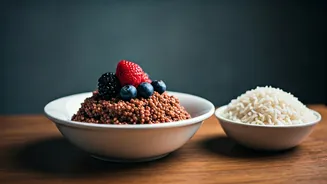
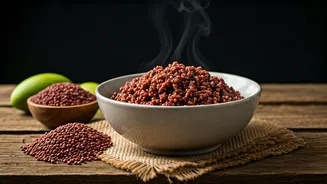
The main difference lies in nutrition. Polished white rice is primarily refined carbohydrate, which can cause blood sugar spikes and offers very little fibre or micronutrients. Ragi, or finger millet, on the other hand, is a nutritional powerhouse. It
is packed with calcium, iron, and dietary fibre. Its high fibre content aids in digestion, helps you feel full longer, and supports weight management. Furthermore, ragi has a lower glycemic index, meaning it releases sugar into the bloodstream more slowly, making it an excellent choice for managing blood sugar levels.
Getting Started: Know Your Ragi
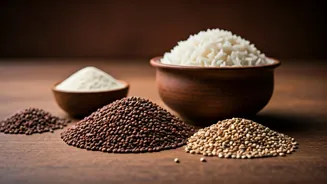
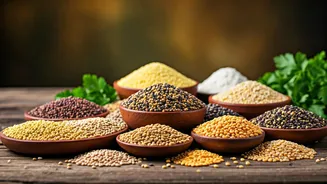
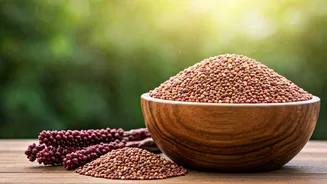
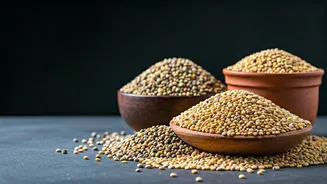
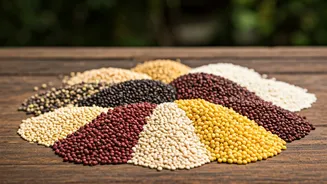
Making the switch is easy once you know what to buy. Ragi is available in a few different forms, each suited for different dishes. Ragi flour (nachni) is the most common and versatile form, perfect for making rotis, dosas, and even cakes. Whole ragi grains can be soaked and ground for batters, yielding a better texture for dishes like idli and fermented dosas. You can also find ragi semolina (rava), which is ideal for making a healthier upma. For a quick start, begin with ragi flour, as it’s the most readily available and requires the least amount of prep work.
Tips for Perfect Ragi Cooking
Ragi has a distinct, earthy flavour that can take some getting used to. To start, you don't have to go all-in. Try mixing ragi flour with your regular wheat flour or rice batter in a 1:4 ratio and gradually increase the proportion. When making a dough for rotis or a batter, ensure it is well-kneaded or mixed to avoid lumps and achieve a softer texture. Roasting ragi flour lightly in a dry pan for a few minutes before using it can help reduce its raw taste and bring out a nuttier flavour. This simple step makes a huge difference in porridges and sweets.
Swap Ideas for Your Favourite Comforts
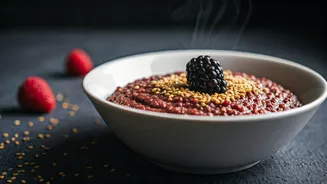
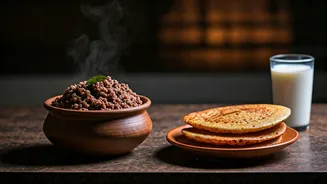
You don’t have to give up your favourite meals. Instead, give them a ragi twist. For a South Indian breakfast, you can make soft ragi idlis or crispy ragi dosas. These can be made instantly with flour or through the traditional fermentation process. In Karnataka, Ragi Mudde, a soft-cooked ball of ragi flour, is a staple eaten in place of rice with sambar or curry. You can also make a comforting bowl of ragi porridge, known as ragi malt, which can be prepared sweet with jaggery and milk or savoury with buttermilk and spices. For flatbread lovers, a simple ragi roti is a fantastic, fibre-rich alternative to wheat chapatis.
Beyond the Meal: Ragi Snacks and Sweets
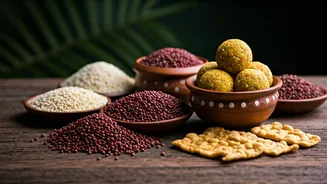
Ragi's versatility extends to snacks and desserts. You can bake healthy, guilt-free treats that are both delicious and nutritious. Try making ragi ladoos, which are energy-dense balls made with ragi flour, jaggery, and nuts. Ragi flour can also be used to bake cookies, muffins, and even moist chocolate cakes, often with better texture and flavour than you might expect. These options are great for satisfying sweet cravings while still packing a nutritional punch, making them perfect for kids and adults alike.