




Why the Monsoon is Assam's Secret Season
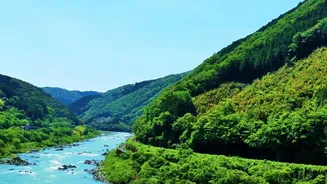
While many travellers flock to Assam in the winter, the monsoon period from June to September offers a different kind of magic. The landscape, drenched by life-giving rains, turns into a spectacular panorama of lush, green fields and tea gardens. Temperatures
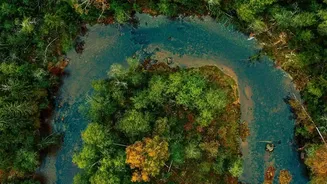
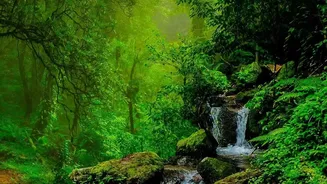
are pleasant, providing a respite from the summer heat, and the swollen Brahmaputra river adds a majestic charm to the scenery. This season is less about crowded safaris and more about immersive, serene experiences. It is a time for nature lovers who appreciate mist-laden hills, thundering waterfalls that come alive overnight, and the calming rhythm of rainfall. While caution is needed due to potential floods in low-lying areas, many parts of the state remain accessible and offer a quieter, more intimate connection with nature and culture.
The Tea Gardens' Emerald Glory
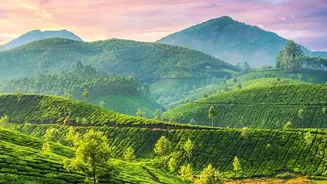
Assam's world-famous tea gardens are at their most picturesque during the monsoon. The rain washes the leaves, leaving them a brilliant, shimmering green. Places like Jorhat, known as the tea capital of Assam, become incredibly beautiful and calm. Eco-resorts and heritage bungalows nestled within the gardens offer a perfect retreat. Visitors can take guided walks through the plantations, learn about the tea-making process, and enjoy the fresh, earthy aroma that fills the air. Sipping a hot cup of authentic Assam tea while watching the rain fall over the endless gardens is an experience that is both simple and profoundly peaceful.
Exploring Majuli, the River Island
The world's largest river island, Majuli, offers a unique cultural and natural spectacle during the monsoon. While the island is vulnerable to floods and travel can be unpredictable, for the adventurous eco-tourist, it presents an unparalleled experience. The island becomes a canvas of vibrant green, and the surrounding waters of the Brahmaputra make for scenic boat rides. Majuli is a centre of Vaishnavite culture, and its monasteries, known as Satras, offer a peaceful sanctuary. Many community-based tourism initiatives allow visitors to stay in traditional homes, learn indigenous cooking, and witness the art of mask-making, offering a deep dive into the island's resilient culture against a backdrop of dramatic monsoon skies.
Misty Hills and Waterfalls in Haflong
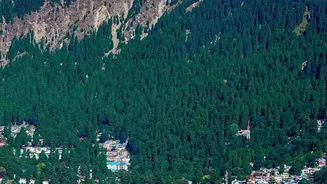
For those seeking the charm of a hill station, Haflong in the Dima Hasao district is Assam's only one, and it is at its absolute best during the monsoon. Often called the “Switzerland of the East,” Haflong is surrounded by mist-covered hills, breathtaking waterfalls, and serene lakes. The clouds often roll through the valleys, creating a mystical atmosphere perfect for trekking and exploration. The journey to Haflong itself is a scenic adventure, with verdant landscapes and rain-fed streams along the way. It’s an ideal escape for those looking to experience the mountains in their most raw and beautiful state.
Wildlife Experiences Beyond the Big Parks
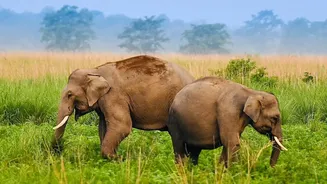
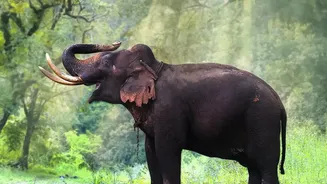
While major national parks like Kaziranga and Manas are typically closed to visitors from around June to October due to flooding, this doesn't mean wildlife viewing comes to a halt. The monsoon closure is essential for the ecosystem's rejuvenation. Eco-tourists can instead explore other areas. Pobitora Wildlife Sanctuary, known for its high density of one-horned rhinos, sometimes remains partially accessible and offers vibrant green landscapes. Similarly, Dibru-Saikhowa National Park, a riverine park, is open year-round and offers incredible opportunities for boat safaris to spot birdlife, and if you are lucky, rare Gangetic river dolphins. Wetlands like Deepor Beel near Guwahati become a haven for birdwatchers as migratory and resident birds flock to the replenished water body.
Community-Led Eco-Tourism
The monsoon season is an excellent time to support community-based eco-tourism projects across the state. These initiatives aim to conserve nature while providing sustainable livelihoods for local communities. In areas around the Dehing Patkai belt and Dibrugarh, community-run facilities offer authentic homestays and guided nature activities like trekking and birdwatching. These experiences allow travellers to engage directly with local cultures, learn traditional practices, and contribute to the local economy. It’s a form of travel that goes beyond sightseeing, fostering a deeper understanding and appreciation for the people and the environment of Assam.