





Beyond the Traditional Tech Hubs
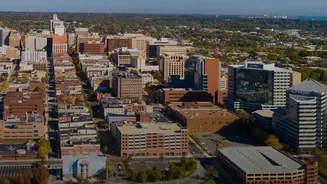
The narrative of Indian entrepreneurship is decentralising. While metropolitan hubs remain critical, a significant surge of startup activity is now happening in Tier 2 and Tier 3 cities. According to recent data, nearly half of all government-recognised
startups now originate from these smaller urban centres, a testament to a foundational shift in where innovation is born. This is not just about a few success stories; it's a nationwide movement reshaping India's economic landscape from the ground up. Cities like Jaipur, Indore, Kochi, and Bhubaneswar are no longer on the periphery but are becoming independent engines of growth, fostering ventures in sectors ranging from AgriTech and HealthTech to SaaS and e-commerce.
The Drivers of a New Economy
Several powerful forces are fuelling this trend. The first is the Digital India initiative, which has dramatically improved internet connectivity and digital literacy across the country. Affordable data plans, the widespread adoption of UPI for digital payments, and access to cloud computing have levelled the playing field, allowing founders in smaller towns to access the same tools and markets as their metro counterparts. Secondly, the cost of doing business is significantly lower. Operating expenses, including rent and salaries, can be 30-60% less than in major metros, allowing startups to extend their financial runway and focus on sustainable growth. This financial advantage, combined with a growing local talent pool of skilled graduates who prefer to stay closer to home, creates a compelling proposition for new ventures.
Solving for Bharat, from Bharat
One of the most significant aspects of this wave is that many of these startups are built to solve local problems. Founders in non-metro cities possess an intimate understanding of the challenges and opportunities within their communities. This has led to a rise in contextual solutions designed for 'Bharat'—the vast market outside the big cities. We're seeing AgriTech startups in Patna and Indore like DeHaat and ShopKirana optimising farming and Kirana store supply chains, and HealthTech ventures addressing healthcare accessibility in regional areas. These companies are not just replicating urban models; they are creating scalable solutions for local realities, tapping into massive, previously underserved consumer markets.
Government Support and an Evolving Ecosystem
Government initiatives have been a crucial catalyst. Programs like Startup India, the Startup India Seed Fund Scheme (SISFS), and state-level policies have created a supportive framework. The SISFS offers early-stage ventures grants of up to ₹20 lakh for prototype development and further funding for commercialisation, reducing the initial financial risk for founders. Additionally, local incubators, university startup cells, and a growing number of angel investors from smaller cities are building a much-needed support system. While in the past, founders had to travel to metros to pitch ideas, the ecosystem is now more distributed, with investors increasingly recognising the potential of startups in Tier 2 and Tier 3 regions.
The Road Ahead: Challenges Remain
Despite the momentum, challenges persist. The most significant hurdle is access to growth-stage funding. While early-stage and seed funding have improved, the majority of large-scale venture capital—around 87%—is still concentrated in Bengaluru, Delhi NCR, and Mumbai. This makes it difficult for startups in smaller cities to scale into national or international businesses. Talent acquisition for specialised roles can also be a struggle, as many domain experts are still based in major metropolitan areas. Furthermore, infrastructure gaps, such as inconsistent internet connectivity and transportation networks in some areas, can hinder operations.