



The Rise of the Superfood
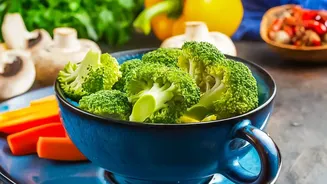
The term 'superfood' is more of a marketing buzzword than a scientific classification. It refers to nutrient-dense foods, often from distant lands, that have gained global popularity for their high concentration of vitamins, minerals, and antioxidants.
In India, shelves now feature imported products like quinoa, chia seeds, avocados, and kale, promoted as essential for a healthy lifestyle. This trend is driven by global health movements, social media, and the appeal of something new and exotic. However, this popularity comes at a price, not just for your wallet, but also for the environment. Before we stock our pantries with these international stars, it’s worth asking if our own traditional produce offers a better deal.
A Nutritional Reality Check
When produce is harvested and consumed in its natural growing season, it is at its peak nutritional value. Local vegetables are picked at peak ripeness, ensuring they are packed with vitamins and minerals. In contrast, imported foods often travel thousands of miles, are harvested early, and may be treated with chemicals to survive the long journey, leading to significant nutrient loss along the way. For instance, the humble amla (Indian gooseberry) contains significantly more Vitamin C than imported goji berries. Similarly, common Indian greens like spinach and bathua (lamb's quarters) offer a nutritional profile comparable to kale, rich in vitamins A, C, and essential minerals like iron and calcium. And instead of quinoa, Indian millets offer similar high-quality protein and fibre.
The Value for Your Wallet
One of the most compelling arguments for choosing local produce is the cost. Imported superfoods come with hefty price tags due to transportation, import duties, and specialised storage. A packet of quinoa or a handful of avocados can cost several times more than locally sourced vegetables and grains. Seasonal vegetables are abundant, which naturally makes them more affordable. For example, gourds like lauki (bottle gourd) offer similar benefits to zucchini at a fraction of the cost. Sabja (basil) seeds are a far more economical alternative to chia seeds, offering a similar nutritional punch of fibre and omega-3 fatty acids. By choosing what's in season at your local sabzi mandi, you not only eat fresh but also make your grocery budget stretch much further.
Eating for a Healthier Planet
The choice between local and imported goes beyond personal health and finance; it has a significant environmental impact. The 'food miles'—the distance food travels from farm to plate—contribute substantially to carbon emissions through transportation, refrigeration, and packaging. Local produce can generate up to 80% fewer carbon emissions than imported alternatives. Choosing locally grown food reduces the demand for long-distance transport, cutting down on pollution and the use of fossil fuels. Furthermore, buying from local farmers supports sustainable agricultural practices, preserves local biodiversity, and strengthens the community economy, ensuring that farming remains a viable livelihood in your region.
Embracing India's Seasonal Bounty
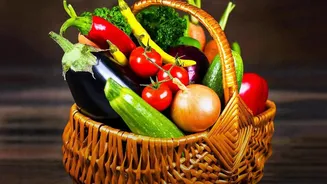
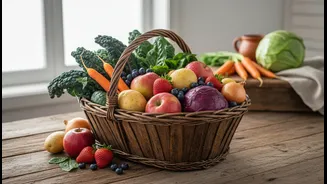
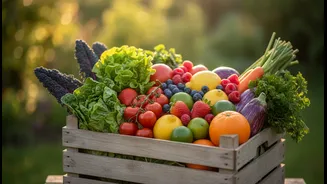
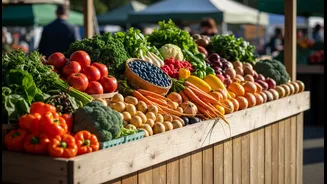
Eating seasonally is an art deeply embedded in Indian traditions, including Ayurveda, which emphasizes consuming foods that align with the body's needs during specific seasons. Summer brings cooling foods like cucumbers, gourds, and watermelons, while winter offers warming and immunity-boosting options like root vegetables, leafy greens such as sarson ka saag (mustard greens), and citrus fruits. Instead of chasing expensive trends, we can rediscover the 'superfoods' that have been in our backyards all along. Moringa (drumstick leaves), jackfruit, and amaranth are just a few examples of indigenous Indian foods that are exceptionally nutritious and perfectly suited to our bodies and climate. Visiting your local market and asking what's fresh is the best way to start.