







Why Our Palates Change with the Weather
Curd rice, or thayir sadam, is a culinary hug. It's cool, light, and famously easy on the stomach, making it a year-round staple in South Indian homes and a beloved comfort food across the country. Its identity is so tied to cooling properties that we
instinctively reach for it on a sweltering summer day. But the monsoon brings a different mood. The damp, grey weather makes us crave warmth, spice, and foods that feel protective. According to Ayurvedic tradition, the rainy season can weaken our digestive fire (agni) and make us more susceptible to illness. This is why traditional monsoon diets emphasise warm, cooked foods and spices like ginger, turmeric, and black pepper to aid digestion and boost immunity. So, does curd rice get left behind? Not at all. With a few thoughtful tweaks, this humble dish can be beautifully adapted to become the perfect monsoon meal.
Upgrade 1: The Immunity-Boosting Tadka
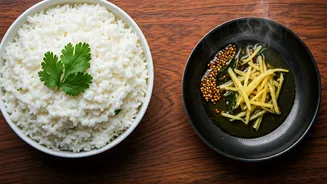
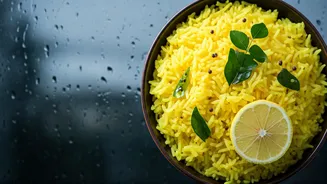
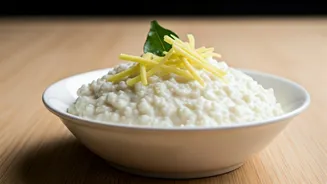
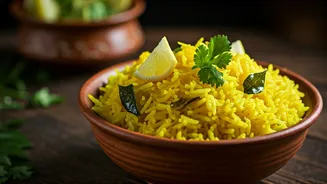
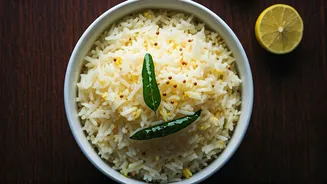
The soul of a good curd rice often lies in its tempering, or tadka. This is your first and most impactful opportunity for a monsoon upgrade. While the classic tadka of mustard seeds, urad dal, and curry leaves is perfect, the season calls for reinforcements. Start by adding finely grated ginger and a pinch of black pepper to your hot oil or ghee. Ginger is a powerhouse ingredient known for its anti-inflammatory properties and its ability to soothe the throat and aid digestion. Black pepper not only adds a gentle, warming spice but also helps increase the bioavailability of curcumin, the active compound in turmeric. Speaking of which, a pinch of turmeric in your tadka will lend a beautiful golden hue and its famed immunity-boosting benefits to the dish. This simple change transforms the tempering from a mere flavouring to a wellness infusion.
Upgrade 2: Add Earthy, Warm Vegetables
While raw vegetables like cucumber and carrots are excellent in summer, the monsoon calls for something more grounding. Incorporating cooked vegetables can add texture, nutrients, and a comforting warmth. Consider lightly sautéing some grated pumpkin or sweet potato with a touch of salt and pepper before mixing it into the curd rice. Their natural sweetness provides a wonderful contrast to the tangy curd. Another fantastic addition is corn. Sautéing corn kernels with a little butter and chilli flakes before folding them in adds pops of sweetness and a gentle heat. These additions not only make the curd rice more substantial and filling but also align it with the seasonal harvest, creating a dish that feels both novel and deeply intuitive.
Upgrade 3: Aromatic Herbal Infusions
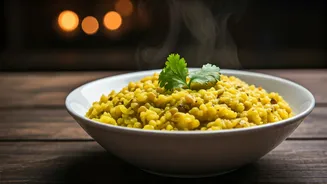
Herbs are nature's answer to flavour and wellness, and the monsoon is the perfect time to use them. Instead of just a final garnish, think about infusing their essence into the dish itself. Holy basil, or tulsi, is revered for its ability to combat colds and coughs. You can finely shred a few leaves and mix them directly into the curd rice for a peppery, aromatic lift. Alternatively, gently bruise a few leaves and let them sit in the prepared curd for about 15-20 minutes before mixing it with the rice; this imparts a subtle flavour without overwhelming the dish. Fresh mint can also be used for its digestive benefits, but use it sparingly to maintain the dish's comforting profile.
Upgrade 4: The Right Kind of Crunch
The final flourish for any curd rice is the crunch. While crispy fried vathals or appalams are traditional, you can make this element work for the season too. Instead of deep-frying, try oven-roasting or air-frying some masala papad for a healthier but equally satisfying crunch. For an even more nutritious option, create a 'crunch mix' by toasting a handful of pumpkin seeds, sunflower seeds, and peanuts in a pan with a drop of ghee and a sprinkle of chaat masala. This not only provides a wonderful texture but also adds a dose of healthy fats and protein, making your monsoon curd rice a truly well-rounded meal.