



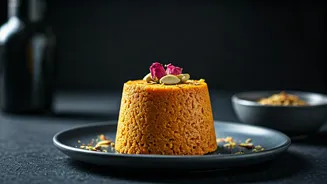


The Classic Treat, Reimagined
For generations, kulfi has been India's answer to ice cream—but it's so much more. Traditionally made by slowly simmering and reducing milk for hours, kulfi is denser, creamier, and melts far slower than its Western counterpart, making it a perfect treat
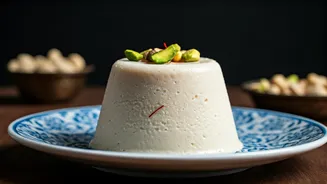
for hot afternoons. Flavours like pistachio, mango, cardamom, and rose are common, but saffron (kesar) holds a special place, lending its luxurious aroma and golden hue. Now, this beloved classic is being reimagined for a new generation. The rise of veganism and plant-based eating in India and across the diaspora has inspired chefs and home cooks to create a dairy-free version that doesn't compromise on flavour or texture. This modern twist is not just about dietary choices; it's a creative culinary movement that respects tradition while embracing new ingredients.
Why Cashew Milk Is the Secret Ingredient
The key to a great vegan kulfi lies in finding a substitute that can replicate the rich creaminess of reduced milk. While coconut milk is a popular choice, it can sometimes have an overpowering flavour. Enter cashew milk. Soaked raw cashews, when blended, create a remarkably thick and creamy base with a neutral, slightly sweet taste that allows other flavours, like saffron and cardamom, to shine. Because cashews are softer than other nuts like almonds, they blend into a smoother, pulp-free liquid, yielding a velvety texture that's essential for a dessert like kulfi. This natural creaminess, combined with healthy unsaturated fats, makes cashew milk the perfect foundation for a decadent, dairy-free frozen treat.
Saffron's Golden, Luxurious Touch
More than just a colouring agent, saffron is the soul of Kesar Kulfi. These delicate red threads, the stigma of the Crocus sativus flower, are one of the most expensive spices in the world, prized for their distinct aroma, flavour, and brilliant golden-yellow hue. In Indian sweets, saffron signifies luxury, celebration, and tradition. When infused into the warm cashew milk base, the saffron releases its magic, transforming the kulfi into an aromatic and visually stunning dessert. It’s this combination of fragrant cardamom, earthy nuts, and the unmistakable essence of saffron that makes the vegan version just as indulgent as the original.
More Than Just a Dessert Trend
The popularity of vegan kulfi is part of a much larger story: the evolution of Indian cuisine. As health and environmental awareness grow, more people are seeking plant-based options, both in India and globally. This has sparked a culinary revolution, with chefs and food bloggers creatively adapting traditional recipes. Dishes that were once heavily reliant on dairy are being cleverly re-engineered with ingredients like tofu, jackfruit, and a variety of nut milks. The trend reflects a societal shift towards more mindful eating without sacrificing the rich flavours and cultural heritage that make Indian food so beloved. This fusion of old and new is positioning Indian cuisine as a global leader in creative, sustainable dining.
The Instagram Effect
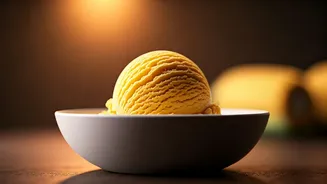
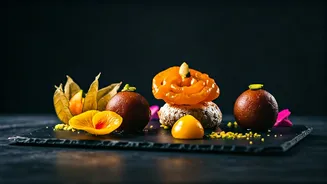
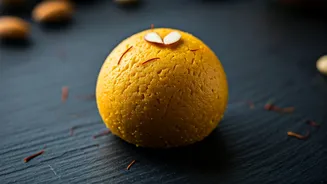
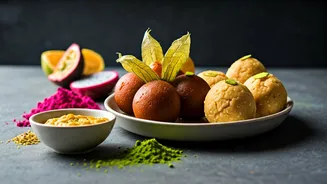
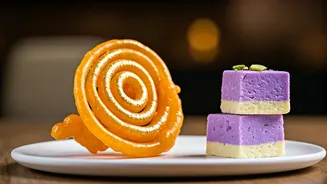
So why is this particular kulfi an Instagram star? Visual appeal is paramount in the world of social media, and vegan saffron kulfi delivers. Served in traditional conical moulds, as popsicles, or in small glasses, its vibrant yellow colour is instantly eye-catching. Garnishes of bright green chopped pistachios and delicate pink rose petals add a beautiful contrast, making it incredibly photogenic. Food bloggers and home cooks have showcased their creations with stunning photography, inspiring a wave of interest. Each post is a testament not just to a delicious recipe, but to a dessert that bridges the gap between ancient tradition and a modern, globally connected world. It’s a sweet, shareable symbol of how food continues to evolve and delight.