



The Ancient Art of the 'Chekku'
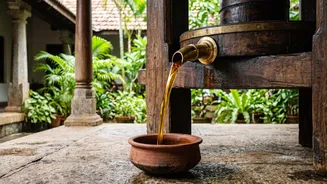
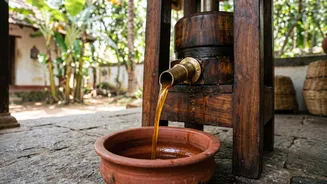
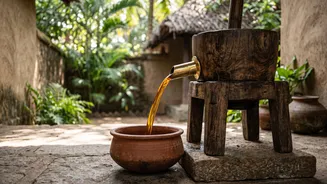
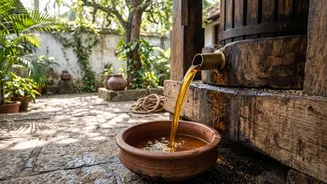
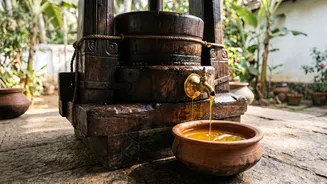
Long before industrial refining became the norm, oil was extracted using a simple, powerful tool: the 'ghani', known as a 'chekku' or 'marachekku' in South India. This traditional method uses a large wooden pestle that rotates slowly inside a wooden vessel,
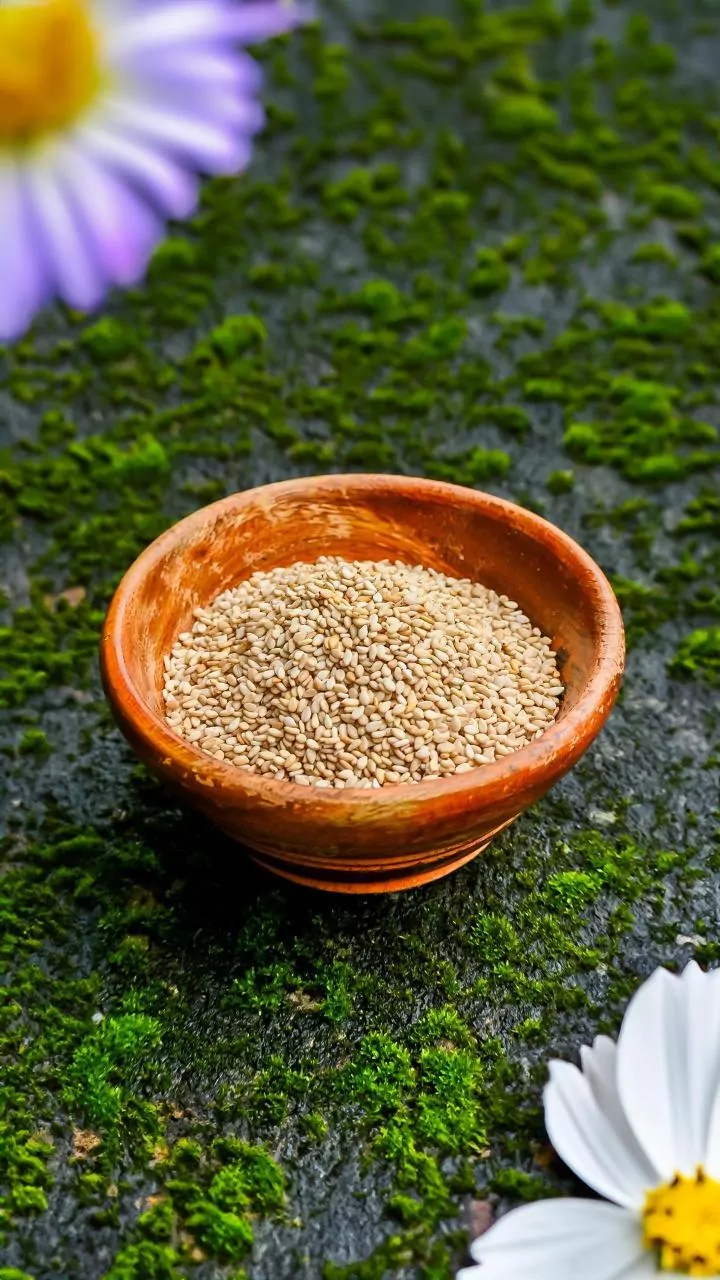
crushing sesame seeds to release their oil. Historically powered by bullocks and now often by a slow-moving motor, the key to the wooden ghani is its gentle, low-heat process. Unlike modern metal expellers that can generate significant friction heat, the wooden press absorbs warmth, ensuring the oil is extracted at temperatures typically below 45°C. This prevents the degradation of nutrients and flavour compounds, resulting in an unrefined, pure oil that is as close to the original seed as possible.
Preserving Flavour Integrity
The primary reason food experts cherish this oil is its incredible flavour. Industrially refined oils are often treated with high heat and chemical solvents to maximize yield and create a neutral taste. This process strips away the natural, volatile compounds that give an oil its character. Wooden-ghani extraction does the opposite. The slow, low-temperature crushing preserves the delicate, nutty, and earthy notes of the sesame seed. The result is an oil with a robust and authentic flavour profile that doesn't just cook food, but actively enhances it, adding a layer of complexity that refined oils simply cannot match. This makes it a prized ingredient for tempering spices, creating dressings, or finishing a dish with a drizzle of aromatic richness.
A Concentration of Antioxidants
The health benefits of wooden-ghani sesame oil are directly linked to its gentle extraction method. Sesame seeds are naturally rich in powerful antioxidants, most notably lignans like sesamol and sesamin. These compounds, along with Vitamin E, are heat-sensitive and largely destroyed during high-temperature refining. Because wooden-ghani pressing operates at low temperatures, these valuable antioxidants are retained in the final oil. Antioxidants help protect the body's cells from damage caused by free radicals and reduce oxidative stress. The presence of these natural compounds not only contributes to the oil's health benefits but also acts as a natural preservative, enhancing its shelf-life without the need for synthetic additives.
Wooden-Pressed vs. Other Oils
It's important to distinguish wooden-ghani oil from other categories. While often used interchangeably, 'cold-pressed' can be a broad term. Some commercial 'cold-pressed' oils use metal machinery that, despite the name, can still generate significant heat. The wooden ghani is the truest form of cold pressing, using wood to minimize friction and heat. Compared to refined oils, there is no contest. Refined oils undergo processes like bleaching and deodorizing, which remove their nutrients, flavour, and aroma in exchange for a longer shelf life and higher smoke point. Wooden-ghani oil, by contrast, is unprocessed, unrefined, and free from chemical residues like hexane, which is often used in solvent extraction.
Bringing It into Your Kitchen
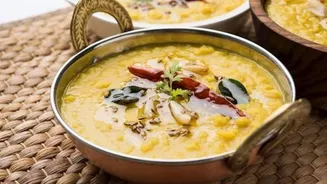
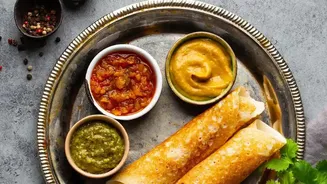
Using wooden-ghani sesame oil is a return to a more flavour-forward way of cooking. Its rich, nutty character makes it ideal for traditional South Indian dishes, where it is a staple for tempering 'tadka' or making chutneys. However, its use extends far beyond that. Use it as a flavourful base for sautéing vegetables at low to medium heat, or as a finishing oil drizzled over soups, salads, and cooked grains to impart its signature aroma. Because its flavour is more concentrated, you may find you need less of it compared to a refined oil. It is not typically recommended for high-heat deep frying, as excessive heat would destroy the very nutrients and flavours that make it so exceptional.