





The Puzzle of the Patchwork Farm
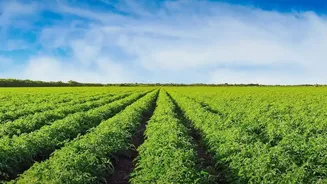
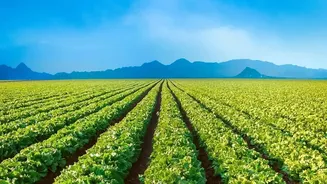
Across India and the world, it is a common sight: a patchwork of fields where some plots yield significantly more than others. This difference is known as the 'yield gap'—the gap between a farm's actual output and its potential maximum yield. For decades,
the conventional wisdom was that this gap was primarily due to current management practices. Factors like fertiliser use, irrigation, pest control, and the type of seeds planted were seen as the main drivers of success. While these elements are undoubtedly crucial, they don’t tell the whole story. What if the land itself holds a historical grudge, or a hidden advantage, that no amount of modern input can easily overcome?
The Land's Long Memory
The answer lies in a fascinating concept called 'soil memory' or 'land-use legacy'. Soil is not an inert substance; it is a living, dynamic ecosystem that records its history. Every past event, from the type of vegetation that grew hundreds of years ago to the farming methods used last season, leaves a lasting imprint. This imprint affects the soil's structure, its chemical composition, and, most importantly, the diverse community of microbes living within it. These historical fingerprints can persist for decades, even centuries, silently influencing everything from how well the soil holds water to its ability to supply nutrients to crops. A field that was once a dense forest will have a fundamentally different soil profile than one that was a grazing pasture or one that has been tilled conventionally for generations.
From Forest to Field: A Lasting Legacy
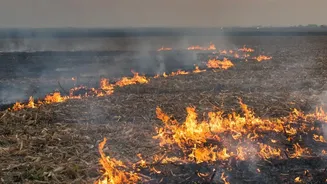
Consider land converted from natural vegetation to agriculture. The process often involves clearing forests or grasslands, which can lead to the loss of fertile topsoil. Studies have shown that converting land from its natural state is often associated with a long-term deterioration in soil quality, including a significant drop in organic carbon, nitrogen, and other essential nutrients. One study noted a 72% decline in total organic carbon after five decades of agricultural use. This creates a 'degradation debt' that today's farmers inherit. A farmer working on land that was deforested 50 years ago may be at a disadvantage compared to a farmer whose land has a different, less disruptive history, even if they use the exact same modern farming techniques.
Why This Matters for Indian Agriculture
In a country like India, with its vast and varied agricultural landscapes and deep history of land use, this concept is profoundly important. Yield gaps for major crops like rice and wheat remain a significant challenge. While efforts to close these gaps rightly focus on providing better technology, irrigation, and inputs, understanding soil memory adds a crucial dimension. It suggests that a one-size-fits-all approach to agricultural improvement is unlikely to succeed. Policies and support systems must become more sophisticated, taking into account the historical context of the land. A farmer struggling on historically degraded soil may need different support—focused on long-term soil regeneration—than one working on inherently more resilient land.
Rethinking Productivity and Fairness
Recognising the role of land history challenges our very definition of a 'good farmer'. It shifts the focus from simply blaming farmers for low yields to understanding the complex constraints they operate under. A soil that has 'forgotten' how to function naturally—how to hold water, cycle nutrients, and resist disease—requires far more from the farmer in terms of costly inputs and intensive management. Rebuilding this 'soil memory' through practices like crop rotation, reduced tillage, and adding organic matter can eventually narrow the yield gap and improve soil health over time. This is not a quick fix, but a long-term investment in the land's future, informed by a deeper respect for its past.