

The Old Kitchen Gets a New Look
A quiet revolution is happening in Indian kitchens. For years, 'modern' cooking often meant using imported ingredients like quinoa, kale, or avocado. But chefs and home cooks are now looking inward, rediscovering the immense potential of ingredients that
have been staples for centuries. This isn't about complex, scientific techniques or foams and gels. Instead, it’s about a new perspective—seeing the familiar in a new light. The trend focuses on harnessing the inherent flavours of traditional ingredients and presenting them in contemporary formats that fit today’s lifestyle. It's a movement driven by a desire for food that is both innovative and deeply rooted in Indian culinary heritage.
Mighty Millets Make a Comeback
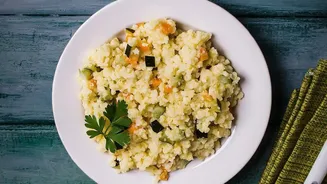
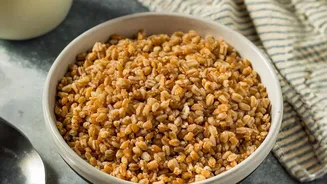
Once considered 'coarse grains' or humble village food, millets like jowar (sorghum), bajra (pearl millet), and ragi (finger millet) are now front and centre. Packed with nutrients and naturally gluten-free, their revival is fuelled by a growing health consciousness. But what makes their comeback truly exciting is their versatility. Cooks are moving beyond traditional rotis and porridges. Think fluffy millet pancakes for breakfast, pizza bases made from jowar flour, or even bajra being used to create a crunchy taco shell. These simple swaps make everyday meals healthier without sacrificing texture or taste, proving that ancient grains have a firm place in the modern diet.
Jackfruit: The Versatile Plant-Based Star
Raw jackfruit, or 'kathal', has long been used in savoury dishes, but its global rise as a popular meat substitute has given it a new lease on life in India. Its fibrous texture, which mimics that of pulled meat, makes it incredibly versatile. Chefs are using it to create everything from juicy burgers and spicy 'pulled pork' sandwiches to hearty tacos and flavourful kebabs. The subtle taste of the raw fruit allows it to absorb spices and marinades beautifully, making it an ideal canvas for classic Indian flavours in very untraditional forms. This single ingredient is challenging the notion of what a vegetarian meal can be, transforming from a simple vegetable into a star protein alternative.
Sour, Savoury, and Surprising Flavours
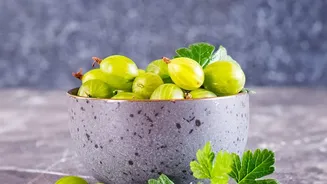
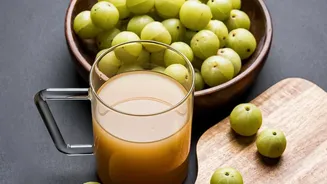
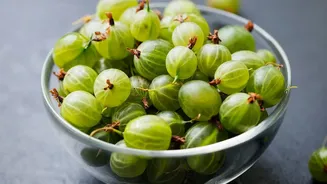
The exploration goes beyond grains and vegetables. Unsung heroes of the Indian flavour palette are also being reimagined. Kokum, the souring agent from the Konkan coast, is no longer just for curries and sherbets; it’s now appearing in modern salad dressings, marinades, and even cocktails for a tart, refreshing twist. Similarly, amla (Indian gooseberry), known for its health benefits and use in pickles, is being blended into green smoothies and savoury chutneys for a tangy kick. Tamarind, a staple souring agent, is finding its way into glazes for grilled meats and vegetables, balancing sweetness and spice in a way that feels both new and deeply familiar.
Why Simplicity Is the Real Secret
Perhaps the most appealing aspect of this trend is its accessibility. It doesn't demand expensive equipment or a degree in culinary science. The focus is on simple, intuitive cooking that allows the quality of the ingredients to shine. This shift is driven by a few key factors: a growing emphasis on sustainability and eating local, a renewed pride in India’s agricultural diversity, and the simple fact that these ingredients are affordable and readily available. It represents a confident step away from chasing global fads and a step toward celebrating the rich, diverse, and delicious resources found in our own backyards and pantries. It’s about cooking with intelligence, not just technique.