
What Are Nigella Seeds?
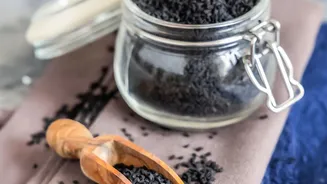
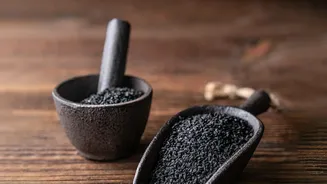
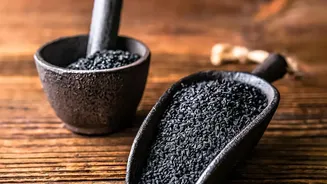
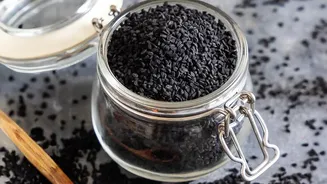
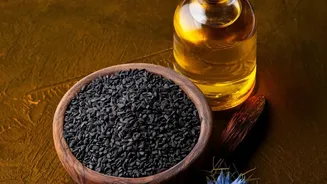
Nigella seeds, also widely known by their Hindi name kalonji, are the small, black, angular seeds of the Nigella sativa plant, which belongs to the buttercup family. Despite common monikers like 'black onion seeds', they have no relation to the onion family. The
name is a point of frequent confusion, as they are also sometimes mistaken for black sesame seeds or black cumin. However, nigella seeds are botanically distinct, with a matte, faceted appearance compared to the smoother, oval shape of black sesame seeds. Crushing a few between your fingers is the ultimate test: nigella seeds release a pungent, peppery aroma, while black sesame seeds smell nutty and sweet. These seeds have a rich history, having been used in culinary and medicinal traditions across the Middle East, North Africa, and India for thousands of years.
A Uniquely Pungent Flavour
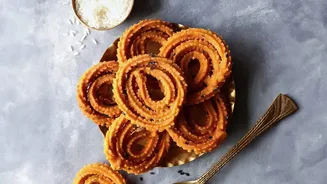
The primary reason bakers reach for nigella seeds is their distinctive flavour profile. Describing it is a challenge, as it hits several notes at once. Many people identify a peppery, slightly bitter quality, with an aroma reminiscent of onions. Others detect hints of oregano or a certain woodsy earthiness. When baked, the seeds develop a toasted, nutty character that enhances their complexity. Unlike many seeds that offer a mild nuttiness, nigella seeds provide a savoury, pungent kick that cuts through the richness of bread dough. This complexity is why they are a staple ingredient in the Indian five-spice blend 'panch phoran' and are used to perfume everything from pickles to dals.
More Than Just Flavour
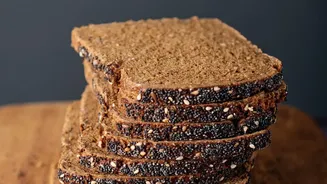
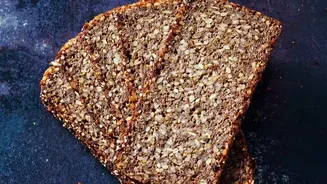
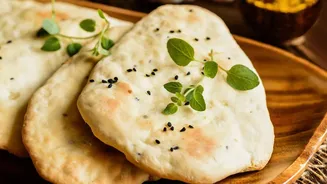
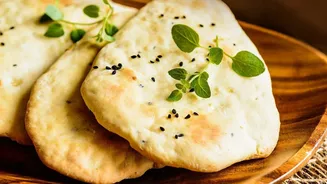
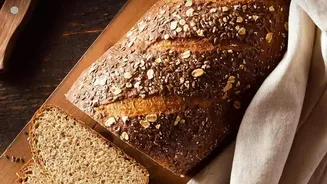
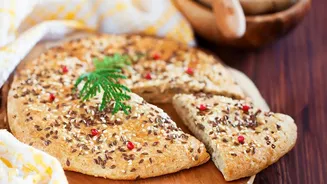
Beyond their unique taste, nigella seeds contribute two other crucial elements to bread: texture and visual appeal. When baked into a loaf or sprinkled on top, the seeds provide a delightful, subtle crunch that contrasts beautifully with a soft bread crumb. This textural pop makes each bite more interesting. Visually, the jet-black seeds create a stunning pattern against the golden-brown crust of a freshly baked loaf, whether it's an Indian naan, a Jewish rye, or a Middle Eastern flatbread. That striking appearance is the first hint of the bold flavour contained within, elevating a simple loaf into something that looks and feels special.
How to Use Nigella Seeds in Bread
Incorporating nigella seeds into your bread recipes is simple. For a more pronounced aroma and deeper, nuttier flavour, it’s a good idea to lightly toast the seeds in a dry pan for a minute or two until they become fragrant. You can then choose how to add them. For a flavour that permeates the entire loaf, mix the seeds directly into the dough along with your other dry ingredients. A tablespoon or two is usually enough for a standard loaf, as their flavour is quite potent. Alternatively, for a more concentrated flavour and visual flair, press them onto the surface of the dough just before baking. This is the traditional method for naan and many other flatbreads, where the direct heat of the oven instantly toasts the seeds and anchors them to the crust.
Perfect Pairings and Other Uses
In bread, nigella seeds pair exceptionally well with other earthy spices like cumin and turmeric. They are a natural fit for savoury breads, complementing ingredients like cheese, garlic, and herbs. Beyond bread, their uses are vast. They are a classic topping for vegetable dishes, especially sweet vegetables like pumpkin, carrots, or parsnips, where their bitterness provides a welcome balance. Sprinkle them over salads, soups, egg dishes, or even avocado toast for an instant upgrade in flavour and texture. Keeping a small jar in your pantry opens up a world of culinary experimentation, allowing you to add a touch of the exotic to everyday meals.