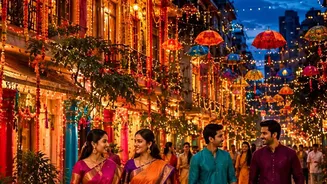










The annual festive season is no longer a guaranteed sales bonanza for Indian retailers. Today’s shopper is discerning, armed with information, and seeking more than just a low price. For brands that fail to adapt, the risk is real.
The End of the Automatic Spree
For decades, the festive
period in India triggered a predictable surge in consumer spending. However, this era of the automatic purchase is drawing to a close. The modern Indian consumer has evolved from being merely price-sensitive to incredibly value-conscious. They are no longer content with simply finding the cheapest option; instead, they are asking, 'What value am I getting for my money?'. This shift is driven by rising disposable incomes, greater exposure to global trends, and the wealth of information available online. Shoppers today are more deliberate, with many planning their budgets to shop smarter rather than just spend more. According to a 2026 YouGov report, nearly half of consumers choose brands based on quality first, with price being the second consideration.
It's About Value, Not Just Price
The most significant change in the Indian consumer mindset is the pivot from price to value. A survey found that over 68% of Indian consumers identify as value-conscious, seeking a balance between cost and quality. This doesn't mean price is irrelevant, but it is no longer the sole driver of a purchase. Consumers are increasingly willing to pay a premium for products that offer better durability, superior functionality, or a trusted brand name. This is evident in the cautious spending on high-value items like gold, where shoppers are opting for smaller, more considered purchases like coins instead of large ornamental sets. Retailers who continue to compete only on deep discounts are missing the point. The new festive mandate is to justify the price tag with tangible quality and a compelling value proposition that resonates with a buyer who meticulously weighs their options. Even Gen Z, while balancing social expectations with personal desires, is spending with greater intent.
The Rise of the 'Phygital' Shopper
The line between online and offline retail has blurred into a seamless 'phygital' experience. Today’s festive shopper might discover a product on social media, compare prices across e-commerce platforms, read reviews, use AI for gift ideas, and then visit a physical store to touch and feel the product before making a final decision. While online festive sales are projected to grow significantly, traditional retail still accounts for the majority of sales value. Recognizing this, smart brands are creating omnichannel strategies that offer a consistent and connected experience across all touchpoints. This includes everything from store-led order fulfilment, where physical shops act as micro-warehouses, to ensuring that online promotions are honoured in-store. A single channel approach is no longer viable; success lies in meeting the customer wherever they are in their hybrid shopping journey.
Experience is the New Retail Currency
In a crowded marketplace, a memorable experience can be the ultimate differentiator. As Indian shoppers become more discerning, they seek more than just a transaction; they want an emotional connection and a meaningful retail experience. This is particularly true for younger generations who are blending tradition with digital discovery and personal expression. Retailers are finding success by creating engaging in_store environments, offering personalized services, and using storytelling to build their brand. This could mean offering budget_conscious outfit restyling tips during Navratri, a trend that has seen significant search interest, or focusing on neighbourhood_level celebrations as an alternative to expensive large_scale events. The goal is to move beyond functional shopping and create an experience that feels festive, personal, and worthy of the customer's time and money.