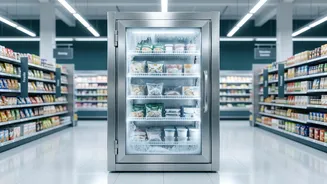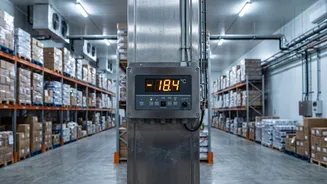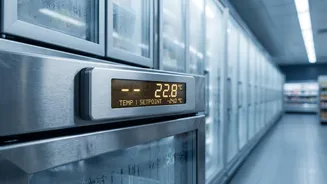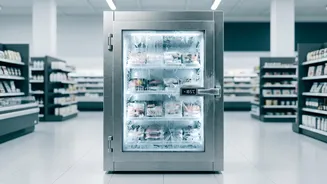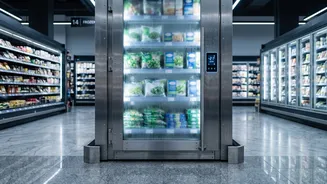




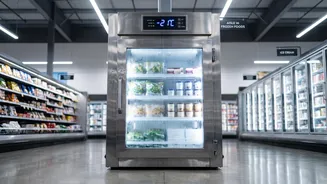
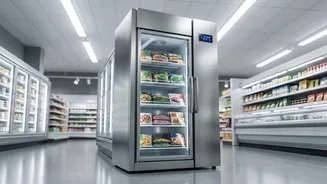

Imagine walking into your local grocery store to find the freezer aisles dark and all the food spoiled. This isn't a power outage—it’s a cyberattack. Recent events in Europe have turned this scenario into a costly reality for many retailers.
A Coordinated Digital Meltdown
In early November
2026, supermarkets across at least eleven European countries, including Sweden, Belgium, Ireland, and Italy, experienced a synchronized and devastating attack. Hackers remotely seized control of internet-connected refrigeration and freezer units, in some cases cranking the temperature up to 50°C. The attacks, which followed similar incidents in France just weeks earlier, resulted in millions of euros in destroyed inventory as vast quantities of meat, dairy, and frozen goods had to be discarded. Retail giants like Carrefour, Ahold Delhaize, and even Ikea reported disruptions, forcing store closures and highlighting a startling new vulnerability in the food supply chain.
How Do You Hack a Freezer?
The core of the problem lies with the 'Internet of Things' (IoT)—the vast network of physical objects fitted with sensors and software to connect and exchange data. In this case, the targets were industrial refrigeration controllers, a form of operational technology (OT) that allows staff and contractors to monitor and manage temperatures remotely. Many of these systems, especially older models, were designed for function over security. Attackers exploited weaknesses like internet-exposed control panels, default passwords that were never changed, and a failure to install critical security updates that manufacturers had already released. By gaining access, they could simply issue commands to activate defrost cycles or override temperature settings, turning a helpful tool into a weapon of disruption.
A Global Supply Chain on Thin Ice
While these attacks occurred in Europe, they serve as a critical warning for the global food industry, including India's rapidly modernizing retail and logistics sectors. The entire food supply chain—from farm sensors and processing plants to temperature-controlled shipping and warehouse storage—is becoming increasingly reliant on connected technology. Each connected device represents a potential entry point for malicious actors. Experts warn that these 'cyber-physical' attacks are no longer theoretical. A successful breach doesn't just steal data; it causes tangible, physical damage, threatening food safety, operational continuity, and public trust. No group has claimed responsibility for the European attacks, but the incidents have raised concerns about disruptions to critical infrastructure.
Beyond Spoilage: The Ripple Effects
The consequences of such an attack extend far beyond the immediate financial loss of spoiled inventory. For businesses, it means reputational damage, potential regulatory fines for failing to protect food safety standards, and the high cost of investigating the breach and securing systems against future incidents. For consumers, it raises anxieties about the stability and safety of the food supply. The EU's food and agriculture commissioner called the attacks a 'deliberate attempt to disrupt our food supply chain'. These events demonstrate that cybersecurity is no longer just an IT department concern but a board-level operational risk with the potential to cause widespread disruption.
Fortifying the Digital Cold Chain
In response, cybersecurity agencies and industry experts are urging businesses to take immediate action. The key recommendations are not complex, but require diligence. This includes removing control systems from the public internet wherever possible, enforcing strong, unique passwords instead of factory defaults, and ensuring that all software and firmware are kept up-to-date with the latest security patches. Companies are also advised to segment their networks, separating operational technology like freezers from their main corporate IT networks to prevent an attacker from moving laterally between systems. Ultimately, security needs to be a core consideration from the moment a connected device is purchased, not an afterthought once a crisis hits.