





The Philosophy of Layered Hydration
For decades, the Japanese beauty (J-Beauty) philosophy has centered on a core concept: urumi, or deep, foundational moisture. Unlike Western approaches that often focus on a single, heavy cream, J-Beauty champions a ritual of layering. It involves applying
multiple, lightweight products—from essences and lotions to serums—to build a resilient, translucent, and 'mochi hada' (rice-cake skin) glow from within. This isn't about a quick fix; it's a mindful process of nurturing the skin's barrier, ensuring it remains calm, clear, and deeply hydrated. The goal is not to mask imperfections but to create a healthy, luminous canvas. This dedication to purity, layers, and creating a resilient 'moisture barrier' is now moving beyond the vanity and into the very architecture of our homes.
From Skincare Ritual to Living Space
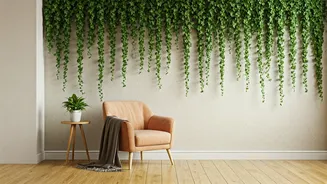
The leap from a skincare bottle to a living room might seem vast, but the underlying principles translate beautifully. A 'hydrated' interior isn't about literal water, but about evoking the sensation of moisture, light, and clarity. It’s an aesthetic that feels restorative and serene, much like the feeling of soothed, well-cared-for skin. This trend borrows J-Beauty’s emphasis on purity and layering to reject visual clutter and embrace a more thoughtful, minimal approach. Just as you wouldn't overload your face with conflicting, heavy products, a hydrated home avoids overwhelming the senses. It’s about creating a sanctuary that protects and nurtures your well-being, functioning as a 'home barrier' against the stress of the outside world.
Building a 'Hydrated' Interior
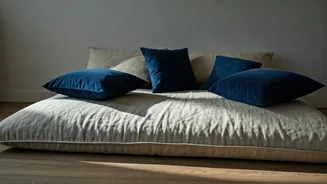
So, how does one 'hydrate' a room? The execution is subtle and sensory. It starts with light. Think sheer, gauzy curtains that diffuse sunlight to create a soft, ethereal glow, mimicking the translucence of healthy skin. Walls are painted in colours with a slight sheen—like eggshell or satin—to gently bounce light around, avoiding the flat, absorbent look of matte finishes. The colour palette is directly inspired by water and clarity: soft whites, misty greys, pale blues, and seafoam greens. Textures are layered much like skincare. A smooth, light wood floor might be topped with a low-pile wool rug, a linen sofa adorned with silk or soft cotton cushions. The effect is a rich tactile experience that isn't loud or busy. Furniture features soft, rounded edges and clean lines, promoting a sense of flow and preventing any visual 'snags'. Materials are chosen for their smooth, cool-to-the-touch properties—think plaster walls, terrazzo surfaces, and glass accents.
The Essential Zen Connection
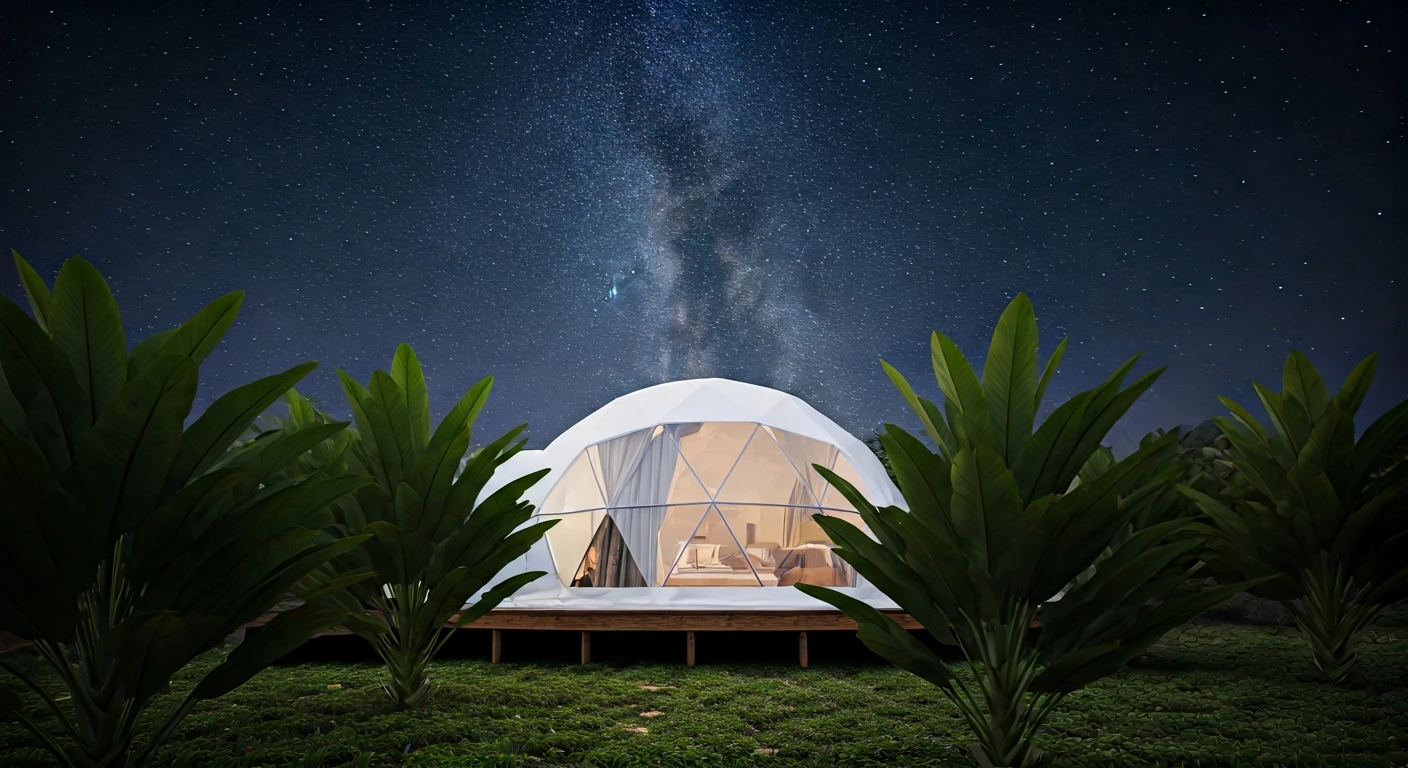
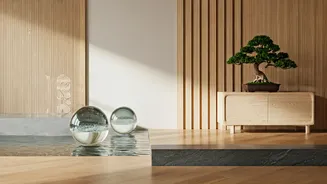
This design trend finds its perfect partner in Zen philosophy, which has long championed simplicity, nature, and mindfulness in living spaces. The J-Beauty-inspired interior aligns perfectly with the Zen concept of 'Ma'—the importance of negative space. The uncluttered, layered approach creates intentional emptiness that allows residents to breathe and think clearly. It’s not about stark, cold minimalism, but a warm, intentional simplicity. Furthermore, the focus on natural materials like wood, stone, and linen honours the Zen appreciation for nature. This design philosophy is a direct counterpoint to the maximalist, 'more is more' trends. Instead of filling a space with objects, it asks what can be removed to enhance tranquility. It's about finding beauty in the essential, creating a home that is not just aesthetically pleasing but is also a functional space for peace and mental restoration.