







From Private Ownership to Shared Access
The concept is simple and powerful. Instead of each household owning a separate set of tools that are rarely used, a collective pool of equipment is made available for all residents to borrow. Pioneering housing societies are converting small common rooms
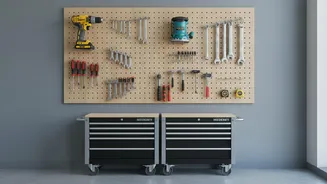
or secure storage areas into 'Libraries of Things'. These libraries stock everything from ladders and power drills to screwdrivers and hammers. The process is often managed through a simple sign-out sheet on a clipboard or, in more tech-savvy buildings, a dedicated function on a community app where residents can check availability and reserve items. This model of collaborative consumption shifts the focus from individual ownership to shared access, a small but significant change in urban living. It's based on the same principles as the shared laundry or recreational facilities already common in many apartment complexes.
A Clear Win for Your Wallet
The most immediate benefit for residents is financial. A decent quality power drill or impact driver can cost anywhere from ₹3,000 to over ₹5,000, a significant expense for an item that might only be used a few times a year. Other specialised tools, like angle grinders or pressure washers, also carry hefty price tags. A tool library eliminates these individual costs. By paying a small, nominal membership fee or even borrowing for free, residents gain access to a wide array of equipment without the financial burden. This approach directly lowers the cost of living and empowers people, especially those on a limited budget, to undertake home repairs and DIY projects they might otherwise postpone. The savings allow household funds to be directed towards more pressing needs, making a tangible difference in the monthly budget.
Tackling India's E-Waste Mountain
Beyond the economic advantages, tool libraries present a grassroots solution to a growing environmental crisis: electronic waste. India is the world's third-largest producer of e-waste, generating millions of tonnes annually. While industrial and commercial sectors are major contributors, household electronics and equipment also play a significant part. Many old devices, including power tools, end up stored indefinitely in homes or are disposed of improperly, leading to hazardous materials like lead and cadmium leaching into the environment. By sharing one high-quality drill among dozens of households, a tool library drastically reduces redundant consumption. This means fewer tools are manufactured, purchased, and eventually discarded. This model promotes a circular economy where resources are used for as long as possible, extracting maximum value and minimising waste.
More Than Just Tools: Building Community
The benefits extend beyond the practical and into the social fabric of the community. A shared library becomes a natural meeting point, fostering interaction and cooperation among neighbours. When residents borrow tools, they share projects, offer advice, and build relationships that might not otherwise form in the anonymity of a large housing society. This shared responsibility cultivates a sense of trust and collective ownership. Organisers of similar initiatives note that these spaces often evolve into hubs for skill-sharing workshops and community repair events, further strengthening neighbourhood bonds. In a world of increasing urban isolation, a tool library can be a simple yet effective way to get people talking and working together.
How to Start a Tool Library in Your Society
Launching a tool library can be a straightforward process. The first step is to gauge interest among fellow residents with a simple poll or survey. Once a core group is interested, you can form a small committee to manage the project. Funding can come from the building's society funds, a small one-time contribution from interested residents, or by simply asking for donations of surplus tools that people already own. Start with a basic kit of essential items—like a hammer, a set of screwdrivers, pliers, a tape measure, and a reliable power drill—and expand the inventory based on resident requests. A secure, accessible space is crucial, such as a locked storage room or a designated corner in a common area. Finally, establish a clear and simple sign-out system, whether it's a physical logbook or a shared digital document, to track who has what and ensure tools are returned in good condition for the next user.