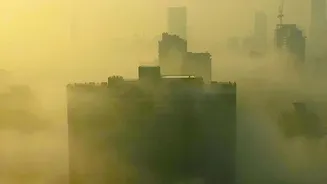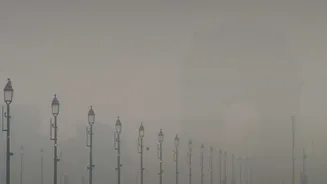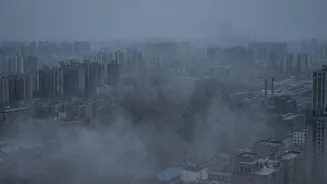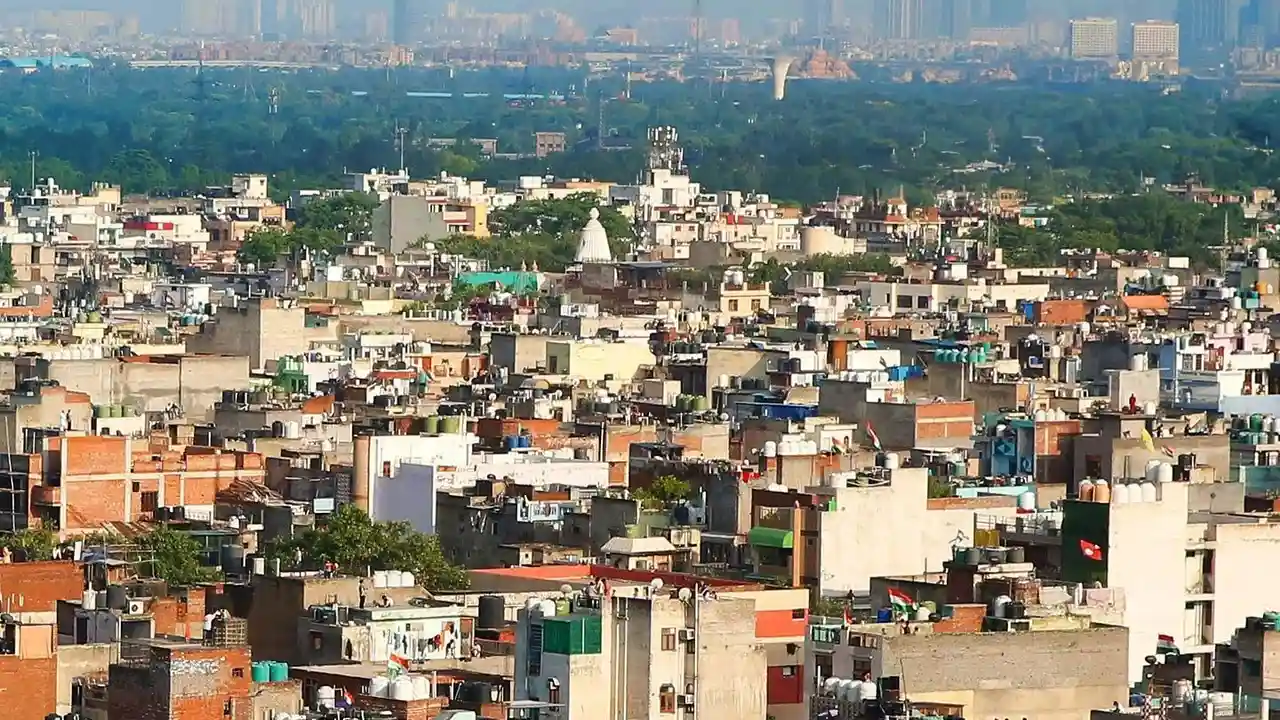




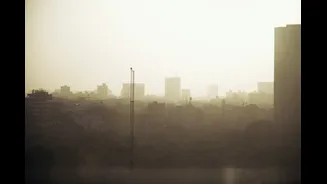
As November unfolds, a familiar grey haze settles over Delhi, a predictable yet devastating annual event. But the story of the capital's pollution is no longer just about the winter smog; it's about a year-round crisis with deep, pervasive impacts.
An Annual Crisis, A Deepening Malaise
As
of November 12, 2026, Delhi's air quality has once again plunged into the 'very poor' category, with the Air Quality Index (AQI) settling at 323, and some areas reporting 'severe' levels above 400. This crisis follows the pattern of recent days, exacerbated by post-Deepavali pollution and an expected increase in stubble burning from neighbouring states. While factors like crop burning, vehicular emissions, and industrial output are the usual suspects, the consistency of this crisis points to a deeper malaise. Despite government initiatives like the Winter Action Plan, which restricts vehicle entry and construction, the city's air remains toxic, highlighting a challenge that seasonal, reactive measures struggle to overcome.
The Pervasive Health Emergency
The most immediate impact is on public health, but the damage goes far beyond temporary respiratory discomfort. Studies have shown that long-term exposure to Delhi's air can reduce life expectancy by as much as 10 to 12 years. The fine particulate matter, PM2.5, which regularly exceeds safe limits by a huge margin, penetrates deep into the lungs and bloodstream. This is linked not just to asthma and bronchitis, but to a rising incidence of cardiovascular diseases, strokes, lung cancer, and even cognitive damage in children. In fact, an estimated 2.2 million children in Delhi have irreversible lung damage. Hospitals report a surge in patients with respiratory and cardiac emergencies during these months, turning a chronic environmental problem into a recurring public health emergency.
A Suffocating Economy
The toxic air is also a significant drag on the economy. Air pollution is estimated to cost Indian businesses billions of dollars annually through lost productivity, with one report putting the figure at USD 95 billion, or 3% of India's GDP. In Delhi, this manifests as increased employee absenteeism, lower on-the-job productivity, and difficulty retaining talent, as skilled workers and executives often take leave or relocate to escape the pollution. The tourism sector is also hit hard, especially during the peak tourist season from October to March, which coincides with the worst air quality. International travellers are increasingly shortening their stays in Delhi or bypassing the city altogether, leading to significant revenue loss for hotels, tour operators, and related businesses.
The Ripple Effect on Urban Life
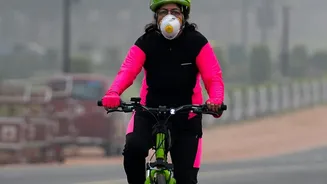
The crisis fundamentally alters the fabric of urban life. For weeks on end, residents are advised to stay indoors and avoid outdoor exercise. This disrupts daily routines, mental wellbeingness, and community engagement. The 'smog season' has also created a form of environmental inequality; wealthier residents can afford air purifiers and trips to cleaner locations, while millions of others, particularly outdoor labourers, have no choice but to endure the hazardous conditions. The pollution is not contained within Delhi's borders. The same weather patterns and pollution sources affect the entire National Capital Region (NCR), with cities like Ghaziabad, Noida, and Gurugram also recording 'very poor' to 'severe' air quality. This creates a widespread regional crisis, impacting tens of millions of people across multiple urban centres.