







The New ABCs: Awareness, Behaviour, Change
For generations of Indian students, 'environmental studies' was often a theoretical, almost forgettable subject relegated to the final pages of a science textbook. It involved drawing diagrams of the water cycle and memorising definitions of pollution.
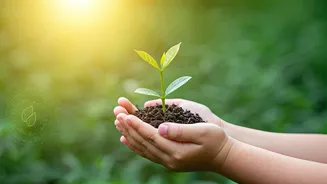
Today, the approach is fundamentally different. Environmental education is no longer just about information; it’s about immersion. From kindergarten upwards, children are being introduced to concepts of sustainability not as abstract threats, but as tangible, everyday actions. This shift is creating what experts are calling the 'Green Generation'—a cohort for whom ecological responsibility is a core value, learned alongside reading and writing.
From Classroom to Community
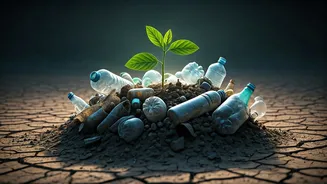
The driving force behind this change is a revamped educational philosophy, codified in policies like India's National Education Policy (NEP) 2020, which emphasizes experiential learning. Schools across the country are translating this into action. In cities like Bengaluru and Pune, schools are implementing hands-on programmes that include managing organic kitchen gardens, running campus-wide waste segregation drives, and participating in local tree-planting initiatives. Students aren't just told that plastic is bad; they conduct waste audits to see how much plastic their school generates and brainstorm ways to reduce it. This project-based learning transforms abstract environmental concepts into concrete problems they can help solve, fostering a sense of agency and ownership over their local environment.
The Influence of Digital Ecosystems
The classroom is only one part of the story. As digital natives, children are absorbing environmental messages from a vast online ecosystem. YouTube channels, animated shows, and even mobile games are now peppered with themes of conservation, wildlife protection, and clean energy. Global figures like Greta Thunberg have become household names, but the influence is much broader, trickling down into child-friendly content that makes complex issues accessible. This constant exposure normalises environmental discourse. However, it also presents a new challenge: eco-anxiety. Educators and parents are increasingly finding themselves needing to balance awareness with optimism, teaching children not just about the problems but also about the solutions and the power they have to contribute positively.
Parenting for a Greener Planet
This educational shift is both supported by and a catalyst for a change in parenting. Millennial parents, more conscious of global environmental challenges than their predecessors, are actively reinforcing these lessons at home. This goes beyond simple instructions like 'turn off the lights'. It involves modelling sustainable behaviour: choosing reusable bags at the grocery store, composting kitchen scraps, questioning consumption habits, and discussing the origins of food and goods. For many urban families, conversations about reducing their carbon footprint are becoming as normal as conversations about homework. This creates a powerful, consistent message, ensuring that the values taught in school are practiced and solidified within the family unit.
Challenges on the Horizon
While the trend is promising, it is not without its challenges. There remains a significant urban-rural and socio-economic divide. The kind of immersive, resource-intensive environmental education seen in private urban schools is far from universal. Ensuring that all children, regardless of their background, have access to this quality of learning is a critical next step. Furthermore, there's the risk of knowledge becoming performative—where children can talk the talk about sustainability without it translating into long-term behavioural change. The true test of this 'Green Generation' will be whether their early education in eco-consciousness matures into a lifelong commitment to action, shaping not just their personal choices but the very fabric of Indian society in the decades to come.