






The Daily Struggle: A Shared Path
Mumbai’s suburban railway is the city's lifeline, but it's a lifeline under extreme pressure. Every day, millions of commuters are packed into compartments, while the network itself juggles a complex timetable. A key reason for this strain is that passenger
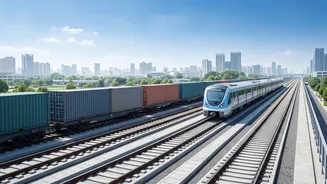
locals and long-distance freight trains often share the same tracks. This mixed-traffic system creates a constant bottleneck. Passenger services, especially during peak hours, are given priority, forcing goods-carrying trains to wait. These delays cascade through the system, slowing down the entire network and limiting the number of local services that can be run, ultimately contributing to the severe overcrowding that defines the Mumbai commute.
The Game-Changer: The Western Dedicated Freight Corridor
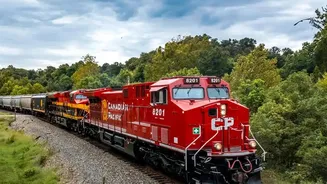
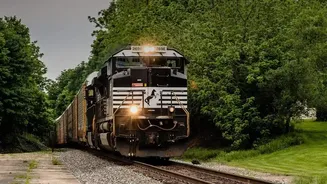
The solution is a massive undertaking known as the Dedicated Freight Corridor (DFC) project. Specifically for Mumbai, the Western Dedicated Freight Corridor (WDFC) is the critical piece of the puzzle. This is an entirely separate, high-capacity railway network built exclusively for transporting goods. The WDFC stretches over 1,500 kilometres from Dadri in Uttar Pradesh directly to Jawaharlal Nehru Port Trust (JNPT) in Navi Mumbai. By creating a dedicated highway for freight, the project ensures that goods trains no longer need to compete for space on the crowded suburban lines. On September 8, 2026, the final sections of the WDFC were inaugurated, making the entire corridor fully operational.
How It Frees Up Your Local Line
With freight trains rerouted onto the WDFC, vast capacity is unlocked on the existing railway tracks that crisscross the Mumbai Metropolitan Region. Think of it as removing thousands of heavy trucks from a congested highway. The tracks that were previously occupied by slow-moving goods trains are now available for Indian Railways to use exclusively for passenger services. This operational freedom is the key to decongesting the network. It allows railway authorities to redesign timetables, reduce the waiting time between trains, and ultimately introduce more local services to cater to the immense daily demand.
What This Means for Your Commute
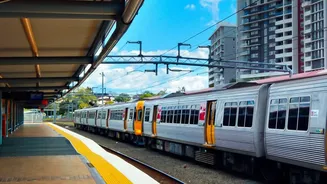
The direct impact for a regular commuter is potentially transformative. The primary benefit is the ability to run more frequent local train services, which helps clear crowds from platforms faster and reduces the 'super dense crush load' inside compartments. With fewer conflicts on the tracks, the punctuality and reliability of existing services are also expected to improve. This separation allows for faster movement of both passenger and freight trains, as each can operate at its optimal speed without interfering with the other. Over time, this enhanced capacity also supports other network upgrades, such as the introduction of more 15-car rakes and new AC locals, further improving the commuter experience.
A Long-Term Vision for Mumbai
While the completion of the Western Dedicated Freight Corridor is a landmark achievement, its full impact on the daily commute will be felt progressively. Indian Railways can now begin the complex task of optimising the newly freed-up lines for passenger traffic. This includes planning for additional services and integrating them into the existing schedule. The project is a foundational step in modernising Mumbai's transport infrastructure, aimed not just at easing today's congestion but also at preparing the network for future growth. By separating freight and passenger traffic, the city's railway is being future-proofed, ensuring it can continue to serve as a reliable and efficient mode of transport for millions.