


An Antidote to Modern Burnout
The old travel formula was simple: book flights, see the sights, eat the food, and return home needing a holiday to recover from the holiday. For a generation grappling with high-pressure jobs and constant connectivity, this no longer holds appeal. In
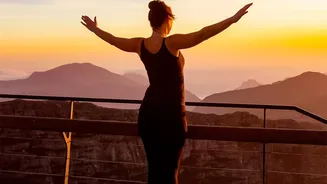
fact, a 2024 survey found that 70% of Indian Gen Z reported feeling burnt out. Slow travel has emerged as a direct response. It’s not just a vacation; it’s a form of maintenance and a powerful tool for mental well-being. Instead of treating travel as an indulgence, it’s being viewed as an essential exit from routines that have become normalised sources of stress. The goal isn't to see everything, but to feel something different and give the nervous system a chance to exhale.
The Remote Work Revolution
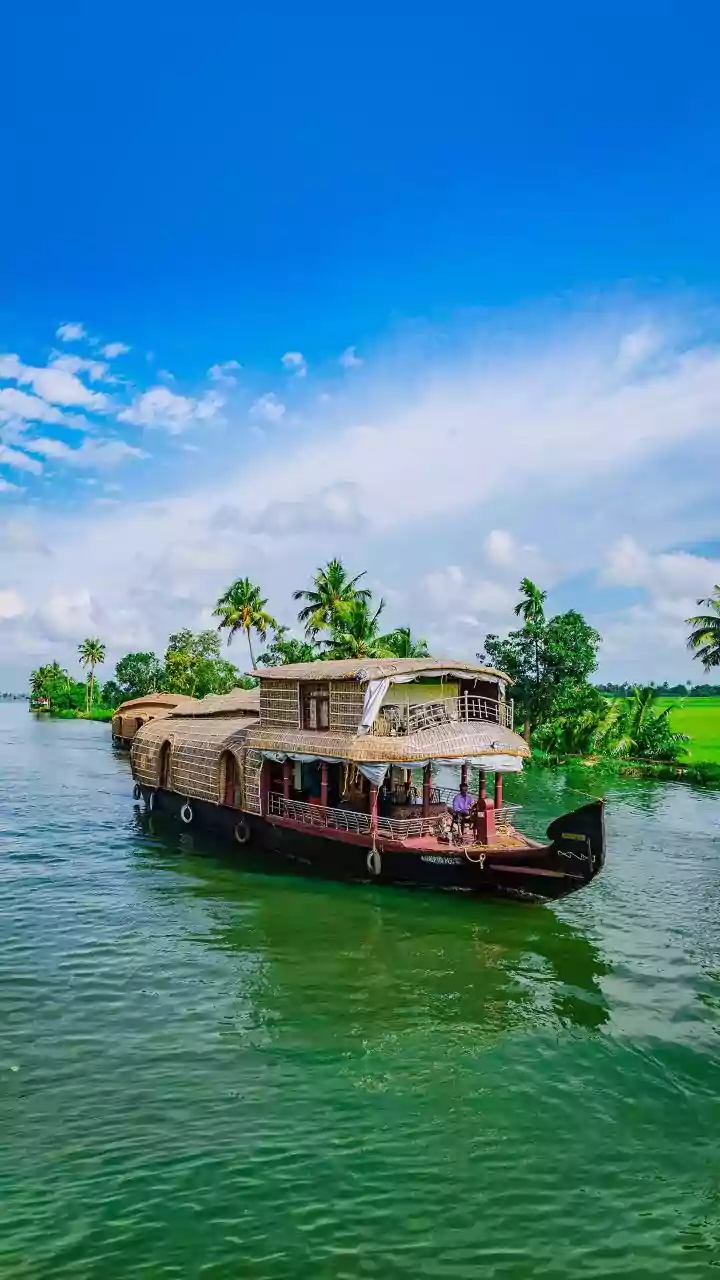
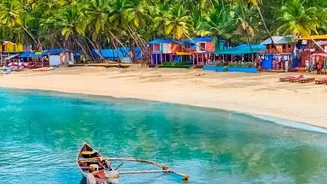
The widespread adoption of remote and hybrid work has been a game-changer, untethering professionals from their office desks. With nearly 41% of white-collar roles in India now remote or hybrid, the logistical barrier to long-term travel has dissolved for many. This has fueled the 'workation' boom, where work and leisure blend into an extended stay in a scenic setting. Hill stations in Himachal and Uttarakhand, and beach towns in Goa, are no longer just for weekend trips; they are becoming temporary homes for weeks or months. Homestays and hostels are adapting by offering monthly packages complete with high-speed Wi-Fi, creating stable income streams and countering seasonal tourism lulls.
From Landmarks to Lived Experiences
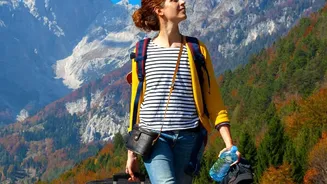
There’s a growing impatience with the kind of travel that feels like a checklist. Young travellers are consciously moving away from 'FOMO' (fear of missing out) tourism. Instead of rushing between popular landmarks, they crave a deeper, more authentic connection with a place. This means staying longer in one location, exploring local cafes, interacting with the community, and understanding the culture beyond its tourist-facing facade. It’s a shift from being a passive observer to an active participant. The new souvenir is not a trinket, but a memory of a genuine human connection or a newfound understanding of a different way of life.
Intentionality Over Instagramability
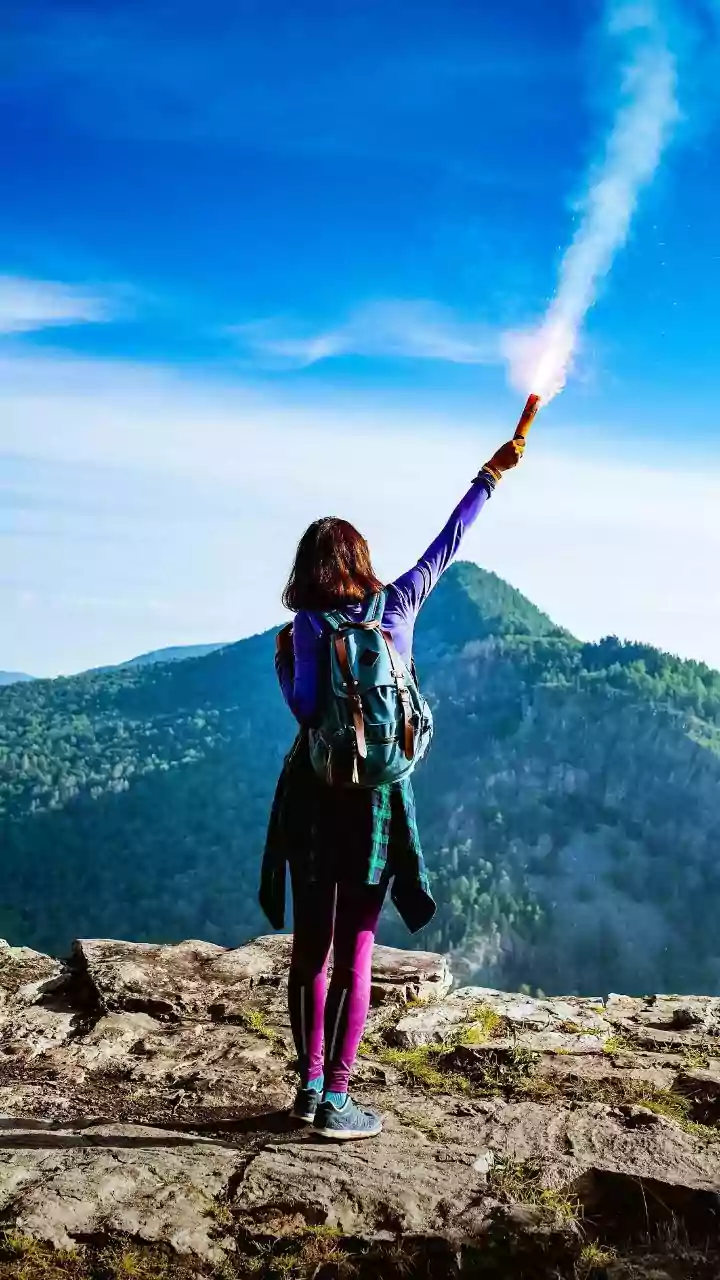
While social media once fuelled a culture of performative travel—posting from the most recognisable spots—a new trend is emerging. The focus is shifting towards more mindful and authentic content that reflects a slower, more aesthetic experience. The destination itself is becoming less important than the intention behind the trip. For many Gen Z travellers, a journey is now defined by the experience it offers, whether that's learning a new skill on a 'skillcation', going on a wellness retreat, or simply finding a quiet place to disconnect. They are travelling to feel more like themselves, making every choice—from where they go to where they stay—an act of self-expression. This approach prioritises personal growth and emotional health over simply collecting photos for a feed.
The Economics of Leisurely Travel
Contrary to what one might expect, travelling slower can often be more cost-effective. Staying in one place for an extended period, like a month, can be significantly cheaper per day than a week-long hotel stay. It allows for self-catering, taking advantage of long-stay discounts, and avoiding the premium costs associated with constant transit. This makes immersive travel more accessible to young professionals and students who are budget-conscious but still crave meaningful experiences. Furthermore, with remote work, many are able to earn while they travel, turning a lifestyle once reserved for a select few digital nomads into a feasible reality for a broader audience.