






Before You Turn the Key: A Monsoon Check-up
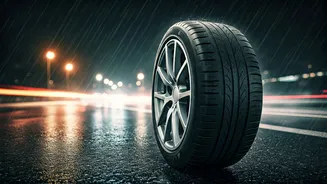
Your best defence against monsoon hazards begins before you even start the engine. A well-maintained vehicle is a safer vehicle, especially in wet conditions. First, inspect your tyres. The legal minimum tread depth is 1.6mm, but for effective water channelling
and grip, anything below 3mm is a risk. Ensure they are inflated to the manufacturer's recommended pressure. Next, check your windscreen wipers. Old, cracked blades will only smear water, drastically reducing visibility. Replace them if they leave streaks. Finally, test your lights — headlights, taillights, and indicators. In the low-light conditions of a downpour, being visible to others is just as important as being able to see. A quick check of your brakes for responsiveness completes your pre-monsoon safety audit.
The Golden Rule: Slow Down and Increase Distance
This might seem obvious, but it’s the single most ignored piece of advice on Indian roads. Wet surfaces drastically reduce tyre friction, meaning your braking distance can more than double. The mixture of rainwater and road grime (oil, dust) creates a slick film that is especially treacherous during the first rains of the season. Driving at a lower speed gives you more time to react to sudden obstacles, like a pedestrian dashing across the street or a vehicle stopping abruptly. Equally important is increasing the gap between you and the car in front. The standard 'three-second rule' should be extended to five or six seconds in the rain. This buffer is your most crucial safety net, giving you the space you need to brake safely without skidding.
Master the Menace: Understanding Hydroplaning
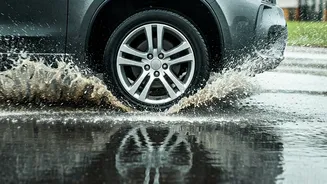
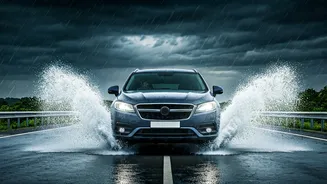
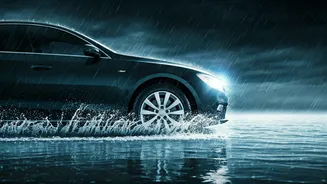
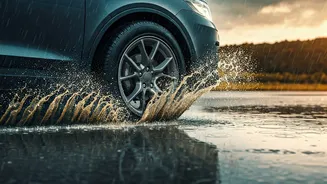
Hydroplaning, or aquaplaning, is one of the most frightening experiences a driver can have. It occurs when a layer of water builds up between your tyres and the road surface, leading to a complete loss of traction. Your vehicle essentially starts surfing on the water. It happens most often at higher speeds in standing water. If you feel the steering suddenly go light and the car fails to respond, you are likely hydroplaning. The key is not to panic. Do not slam on the brakes or yank the steering wheel. Instead, ease your foot off the accelerator gently and keep the steering wheel straight. As the car slows down, the tyres should regain contact with the road, and you will feel control return. The best way to avoid it? Drive slowly through puddles and standing water.
See and Be Seen: The Power of Lights
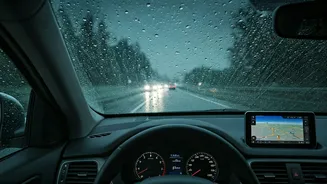
Visibility is dangerously low during a heavy downpour. It’s not just about your ability to see the road, but also about other drivers’ ability to see you. Switch on your headlights (on low beam) even during the day if it’s raining heavily. This makes your vehicle much more visible from a distance. Avoid using high beams, as they can reflect off the rain and fog, dazzling oncoming drivers and worsening your own view. Crucially, never use your hazard lights while driving in the rain. This is a common but dangerous practice in India. Hazard lights are meant for a stationary vehicle that is a temporary obstruction. When you use them while moving, other drivers cannot tell if you are braking or changing lanes, which can lead to confusion and accidents. Use your indicators as you normally would to signal your intentions.
Navigating the Urban Abyss: Potholes and Waterlogging
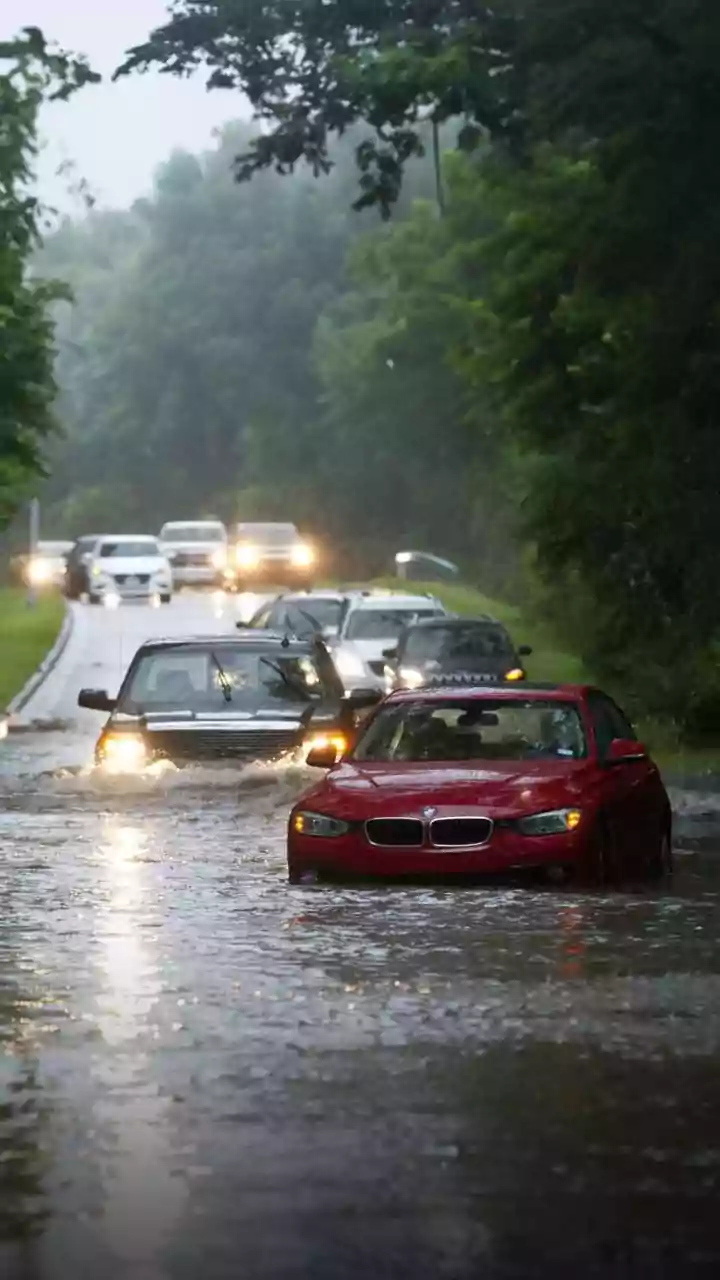
Monsoon rains turn familiar roads into obstacle courses. Puddles and waterlogged stretches can hide deep, tyre-shredding potholes or even open manholes. If you can, stick to familiar routes where you know the road's condition. When approaching a large puddle, observe the vehicles ahead. If they are passing through it without issue, follow their path (the 'tyre line') cautiously. If you're unsure of the depth, it’s always safer to find an alternative route. Driving through deep water can not only stall your engine but also cause catastrophic damage to the engine and electronics. If your car does stall in water, do not try to restart it. This can force water into the engine, a condition known as hydrostatic lock, which is extremely expensive to repair. It is better to abandon the vehicle and seek safety.
Focus is Your Best Defence
Driving in the rain demands your full, undivided attention. The rhythmic sound of wipers and the patter of rain can be hypnotic, but you need to be more alert than ever. Turn down the music, put your phone on silent and out of reach, and avoid engaging in distracting conversations with passengers. Keep both hands on the steering wheel for maximum control. Watch far ahead down the road to anticipate problems before you reach them. Look for brake lights, changes in traffic flow, and pedestrians seeking shelter. Your reaction time is already compromised by the wet conditions; adding distractions to the mix is a recipe for disaster. A focused driver is a safe driver, especially when the weather is working against you.