

A Tradition Steeped in Butter
Janmashtami celebrates the birth of Lord Krishna, whose legendary love for butter is a cornerstone of the festivities. The quintessential offering, Makhan Misri, is a simple, divine preparation of fresh white butter mixed with rock sugar. Other beloved
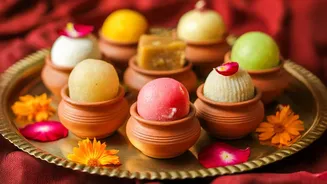
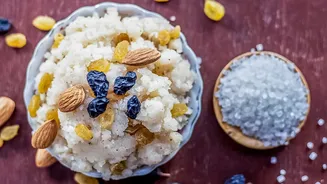
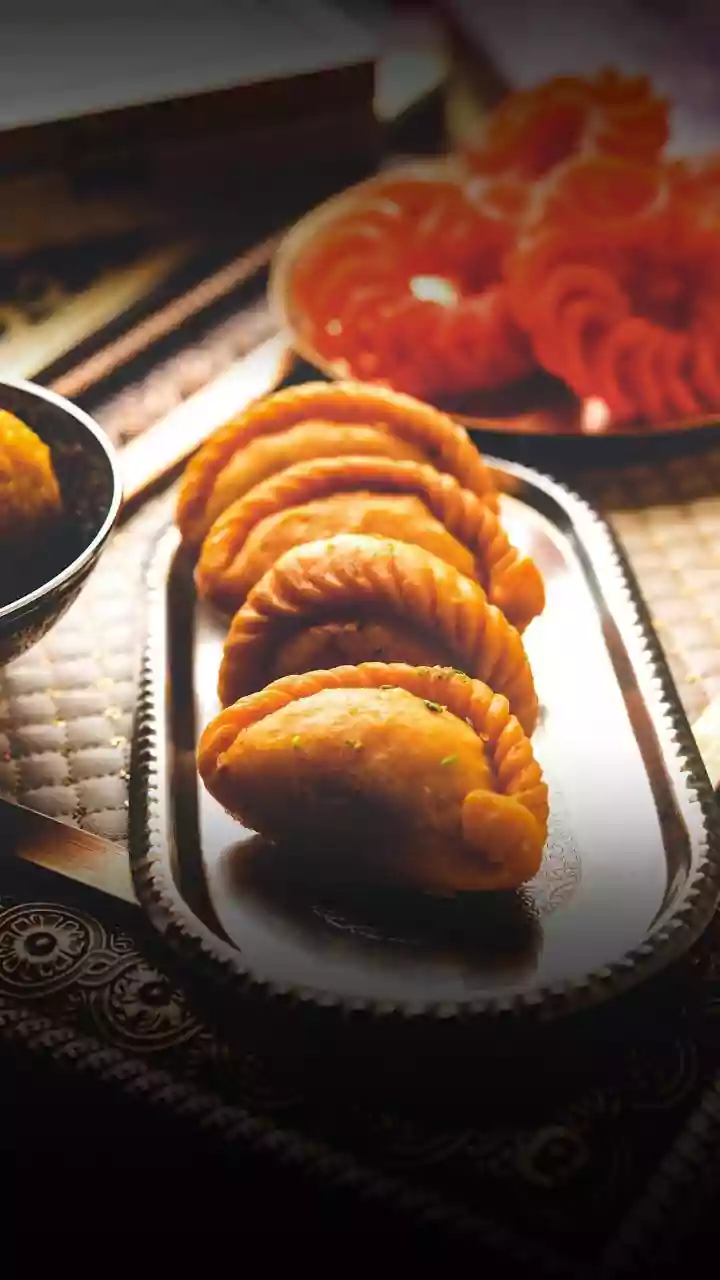
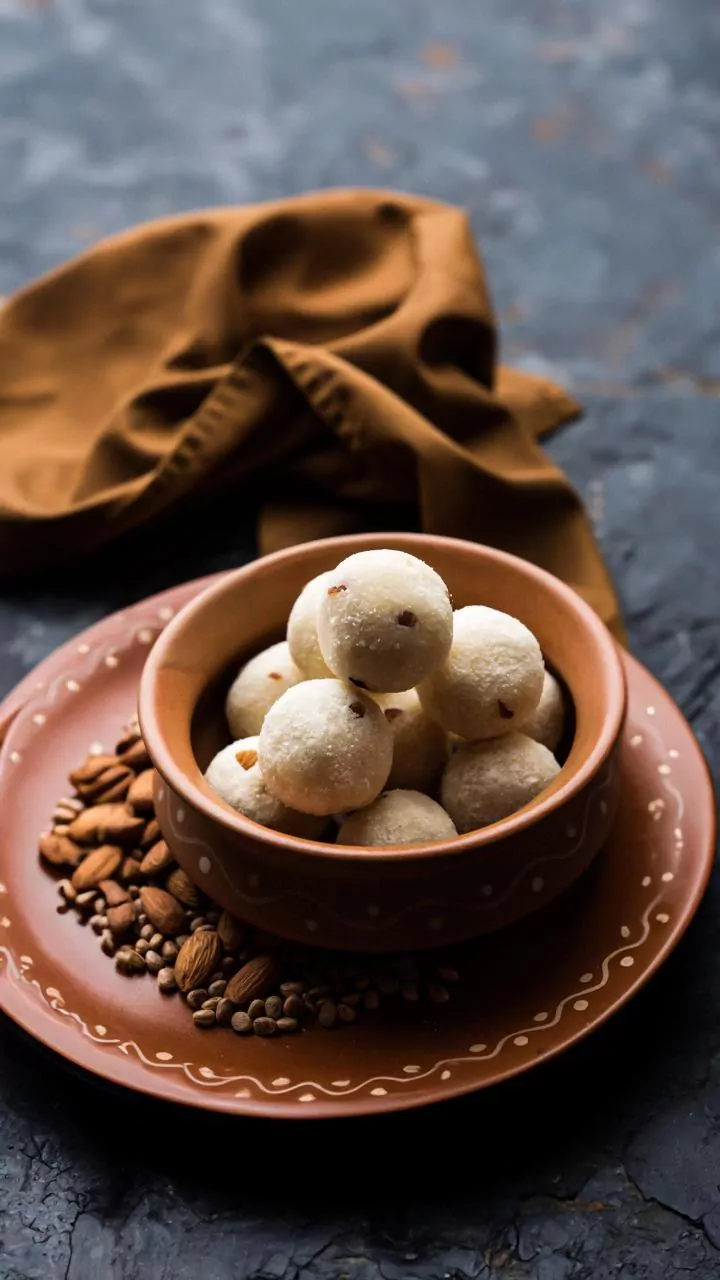
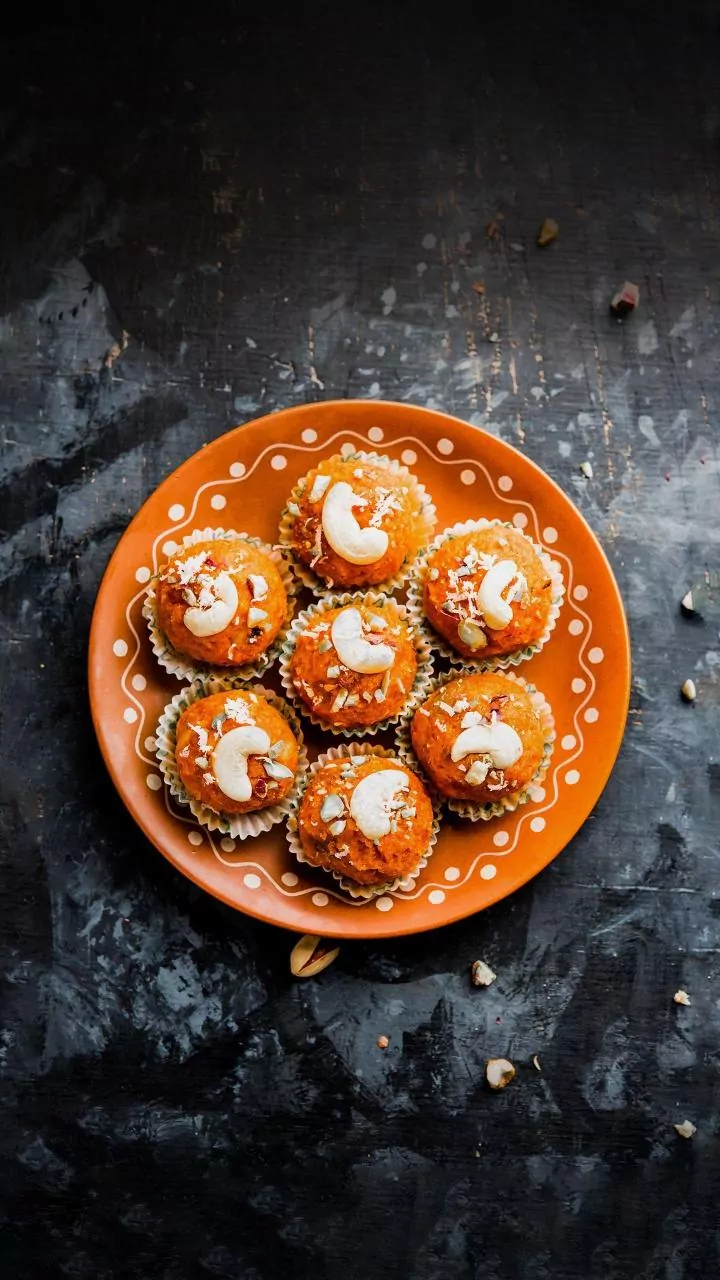
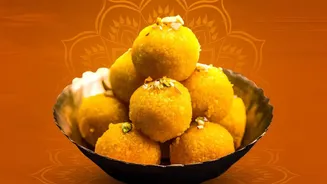
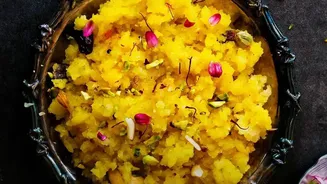
sweets like Panjiri, a roasted flour mixture, and various milk-based pedas and laddoos are also central to the 'bhog' or offering. These recipes, rich in ghee, sugar, and milk, are steeped in tradition. They represent abundance, joy, and the sweet relationship between the divine and the devotee. For generations, these flavours have been an inseparable part of the festive experience, connecting families through shared culinary heritage.
The Shift to Mindful Indulgence
In recent years, a cultural shift towards wellness has begun to influence even the most traditional practices. Young Indians, more health-conscious than ever, are seeking ways to balance festive indulgence with their well-being goals. This isn't about deprivation or dismissing tradition. Instead, it’s a creative movement focused on upgrading recipes with more nutritious ingredients. The goal is to reduce refined sugars and empty calories while preserving the authentic spirit and taste of the celebration. This new generation of home cooks and food bloggers is demonstrating that it's possible to honour Lord Krishna with offerings that are both delicious and nourishing.
Rethinking Sweetness Naturally
The most significant change in modern Janmashtami kitchens is the move away from refined white sugar. Natural sweeteners, long a part of India's culinary heritage, are making a major comeback. Jaggery (gur), with its earthy, caramel-like flavour, is a popular choice for sweets like Panjiri and laddoos. It's less processed than sugar and contains trace minerals like iron and magnesium. Date syrup, made by simply blending dates with water, offers sweetness along with fibre, potassium, and calcium. For those seeking zero-calorie options, plant-based sweeteners like stevia and monk fruit are also being used, especially in milk-based desserts like kheer or shrikhand where they dissolve easily.
Creative Twists on Classic Recipes
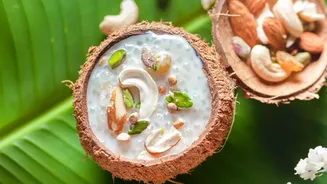
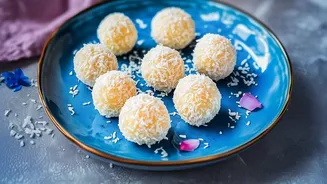
This new approach goes beyond simple substitution. Foodies are adding nutrient-dense ingredients to enhance both flavour and health benefits. For instance, Dry Fruit Laddoos, made from a blend of dates, figs, almonds, and pistachios, are naturally sweet and packed with energy. Some recipes for Panjiri incorporate roasted coriander seed powder, which aids digestion. For a healthier take on kheer, some are swapping out rice for protein-rich makhana (fox nuts) or using almond milk as a base. The classic coconut laddoo can be made with freshly grated coconut and a touch of jaggery instead of heaps of sugar, creating a lighter but equally satisfying treat. These creative spins prove that healthy can be festive and delicious.
Balancing Flavour, Fat, and Fibre
While butter is non-negotiable for Janmashtami, the focus is on quality and balance. Using pure, homemade ghee in moderation provides healthy fats and a rich, nutty aroma that defines Indian sweets. To enhance the nutritional profile further, many are incorporating whole grains like ragi or jowar instead of refined flour in their preparations. Adding nuts and seeds not only provides a wonderful crunch but also introduces healthy fats, protein, and fibre, which help slow the absorption of sugar and keep you feeling full longer. Blended figs or raisins can also be used to sweeten and bind sweets, adding valuable fibre into the mix. It’s a holistic approach that considers every ingredient's contribution to flavour and health.