








From Overwhelmed to On-Demand Calm
Generation Z is, by all accounts, the most digitally connected generation in history. [9] They are also facing unique stressors, from academic and professional pressures to the social challenges amplified by an always-on online culture. [14, 23] This
has led to a mental health paradox: while Gen Z is more likely to report anxiety and depression, they are also proactively seeking solutions, often through the very technology that contributes to their stress. [3, 10] Rather than aspiring to the hour-long, silent meditation sessions that might have appealed to previous generations, Gen Z is seeking out accessible, efficient, and integrated wellness practices. [13] The demand is for 'bite-sized' or 'micro-dosed' mindfulness—short, intentional pauses that can be woven into a hectic day. [19] This trend reflects a pragmatic approach to self-care in an age of information overload and digital burnout. [22, 25]
Redefining the 'Meditation' Stereotype
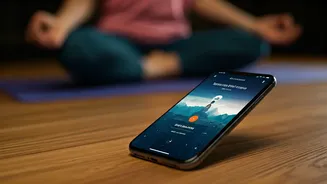
For many, the word 'meditation' conjures images of silent retreats or sitting cross-legged for extended periods. Gen Z is dismantling this stereotype, embracing a broader, more flexible definition of mindfulness. It’s less about achieving a state of perfect emptiness and more about cultivating present-moment awareness, even for just a minute. [17] This generation is more likely than older cohorts to use digital wellness apps and online mental health resources, which often feature short, guided practices. [1, 3] The trend is a move away from rigid, time-consuming rituals toward a toolkit of quick, practical exercises that provide an immediate mental reset. It’s about building emotional fitness through consistent, small habits rather than infrequent, grand gestures. [5, 16]
The Science of Small, Frequent Wins
The shift to micro-mindfulness isn't just about convenience; it's backed by a growing body of research. Studies show that brief, frequent mindfulness practices can be surprisingly effective at reducing stress, anxiety, and depression. [15, 17] Some research has found that multiple five-minute practices can yield similar benefits to a longer 20-minute session. [17] These short bursts work by repeatedly interrupting the body’s stress cycle and training the brain to return to the present moment. [5, 17] For a generation accustomed to 'micro-cations' and bite-sized content, applying the same principle to mental wellness is a natural fit. [20] The cumulative effect of these tiny pauses helps build long-term resilience and emotional regulation. [4]
Your Micro-Dose Menu: 5 Ways to Find Calm in 5 Minutes
Ready to incorporate tiny doses of mindfulness into your day? The key is to attach these practices to existing habits. [5] Here are five simple exercises that take five minutes or less.
1. The Three-Breath Reset
This is one of the quickest ways to center yourself. Before starting a new task or joining a video call, pause. [5] Take one slow, deep breath in, focusing on the sensation of air filling your lungs. On the second breath, consciously relax your shoulders and jaw. With the third breath, set a simple intention for what you're about to do. [5] This entire practice takes less than a minute but can effectively break a cycle of frantic thoughts.
2. The 5-4-3-2-1 Sensory Scan
When you feel overwhelmed, this grounding technique pulls you out of your racing mind and into your immediate environment. [2] Pause and name: five things you can see, four things you can feel (like your feet on the floor or the texture of your desk), three things you can hear, two things you can smell, and one thing you can taste. [5] This sensory exercise powerfully anchors you in the present.
3. The Mindful Music Moment
Instead of letting music be background noise, use a single song as a mindfulness practice. [6] Put on a favorite, calming track and give it your full attention for its three- or four-minute duration. Close your eyes and simply listen, noticing the different instruments, the rhythm, and the feelings it evokes without judgment. This provides a structured, contained break for your brain.
4. The Digital Detox Sprint
Screen fatigue is real. [4] Set a timer for five minutes, silence your phone, and step away from all screens. Use the time to look out a window, stretch, or simply close your eyes. [4] Let your eyes and mind rest from the constant stream of digital information. This micro-break can improve focus and reduce mental fatigue before you dive back into your work.