


What Exactly Is Moringa Powder?
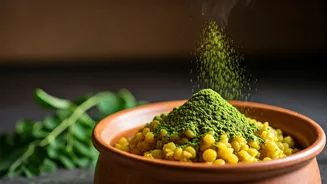
Moringa powder is made from the dried leaves of the Moringa oleifera tree, a plant native to India and known by many names, including the 'drumstick tree' or 'miracle tree'. For centuries, its leaves, pods, and flowers have been a part of traditional
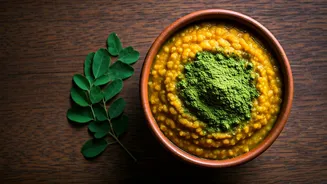
diets and Ayurvedic medicine. The leaves are particularly nutrient-dense, and drying them into a fine powder concentrates this goodness, creating a versatile supplement that can be easily added to foods and drinks. Its flavour is often described as earthy and slightly grassy, similar to spinach or matcha, making it a subtle addition to savoury dishes.
A Nutritional Powerhouse in a Spoonful
The headline-grabber for moringa is its impressive iron content. Iron is a crucial mineral for carrying oxygen in the blood and preventing anaemia, a condition that often leads to fatigue and weakness. Just one tablespoon of quality moringa powder can provide a significant boost to your daily iron intake. But its benefits don't stop there. Moringa is also a rich source of plant-based protein, fibre, calcium for bone health, and potassium. Furthermore, it's packed with antioxidants like quercetin and chlorogenic acid, which help combat oxidative stress and inflammation in the body. It’s also a good source of Vitamin A, which is essential for vision and immune function.
Why Lentils Are the Perfect Partner
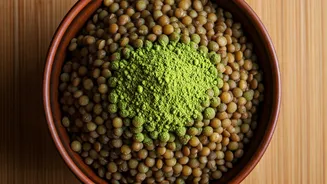
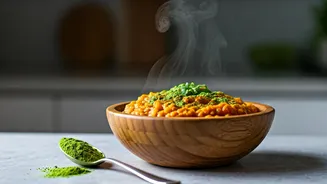
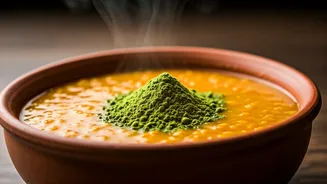
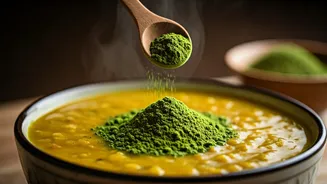
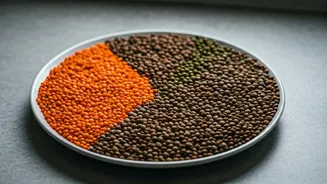
Dal is the backbone of countless Indian meals, making it the perfect vehicle for a nutritional upgrade. The robust, earthy flavours of lentils like toor, masoor, or moong dal can easily accommodate the taste of moringa powder without being overpowered. Since dal is a dish most of us eat regularly, incorporating moringa into it becomes an effortless habit rather than a chore. Lentils are already celebrated for their protein and fibre; adding moringa simply amplifies the dish's health profile, turning a comforting meal into a functional food that works harder for your body. It integrates seamlessly, adding a deeper green hue and a subtle depth of flavour that complements the spices.
How to Do It Right
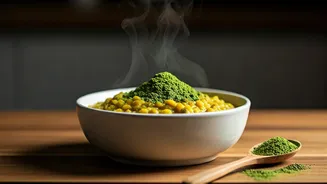
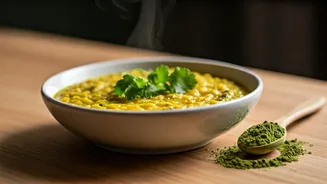
Timing is everything when it comes to preserving moringa's nutrients. Many of its vitamins, especially Vitamin C, are sensitive to heat. To get the maximum benefit, you should add the moringa powder at the very end of the cooking process. Once your dal is cooked and you've turned off the heat, simply stir the powder in just before serving. Start with a small amount—about half a teaspoon per serving—to get accustomed to the taste. You can gradually increase it to a full teaspoon as you like. Stir it well to ensure it dissolves completely and doesn't form clumps. This method ensures you get the full spectrum of vitamins and minerals without altering the fundamental taste of your beloved dal.
Maximise Your Iron Boost
One important thing to know about the iron from plant sources (called non-heme iron) is that our bodies don't absorb it as easily as iron from meat (heme iron). However, there's a simple trick to enhance absorption: pair it with Vitamin C. Lentil dishes are perfectly suited for this. Squeezing fresh lemon juice over your dal just before eating is a classic Indian tradition that not only brightens the flavour but also provides the Vitamin C needed to help your body absorb the iron from both the lentils and the moringa. Cooking your dal with tomatoes, another great source of Vitamin C, also works wonders. This simple food synergy makes your meal significantly more effective at fighting iron deficiency.
Are There Any Downsides?
While moringa is safe for most people, it’s best to consume it in moderation. High doses may have a mild laxative effect, so it's wise to start with a small amount and see how your body reacts. Individuals with certain health conditions should exercise caution. People with thyroid issues, those on blood thinners, or individuals taking medication for diabetes or high blood pressure should consult their doctor before adding moringa to their diet, as it can interact with these medications. As a general rule, it's always best to speak with a healthcare provider before starting any new supplement, especially if you are pregnant, breastfeeding, or have pre-existing health concerns.