




The Numbers Don't Lie
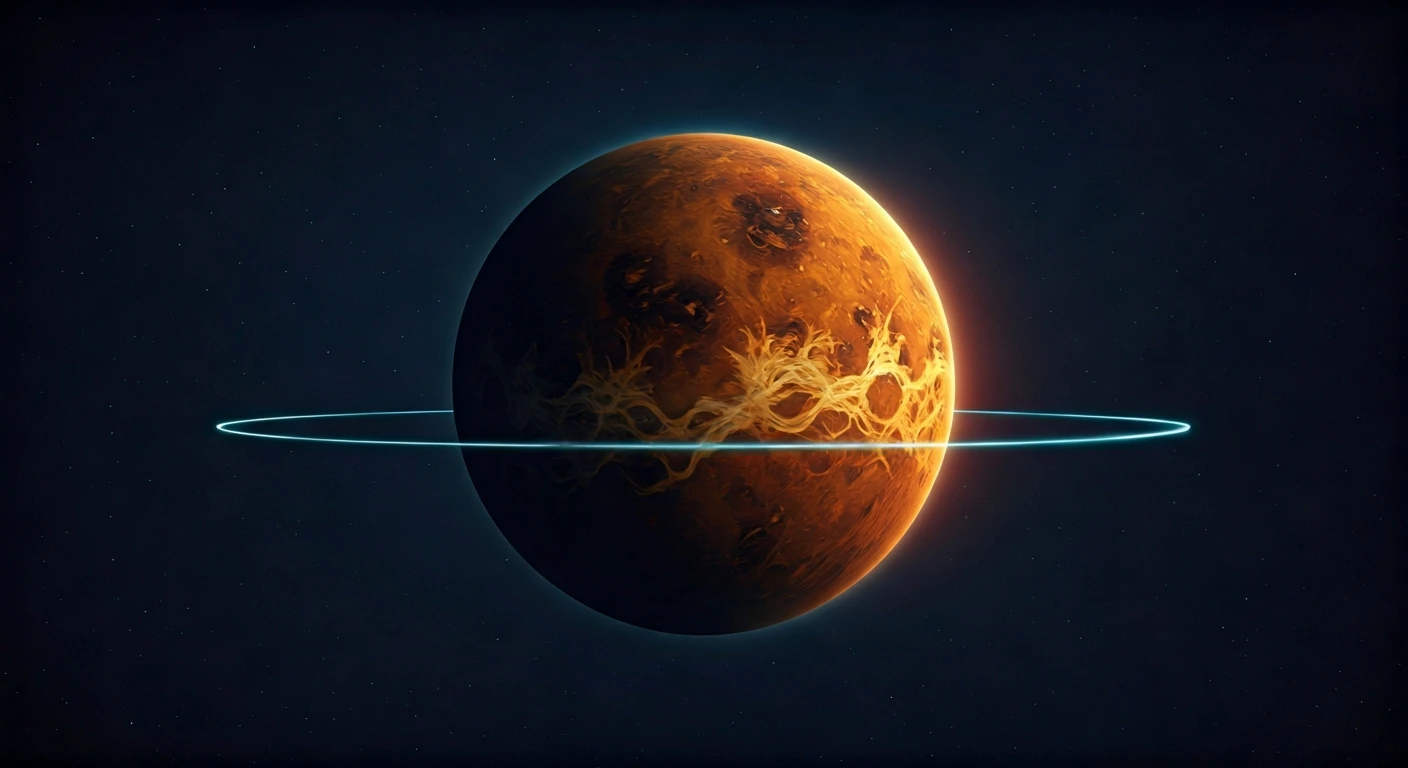
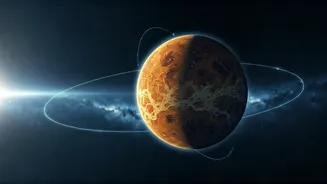
Let’s get the mind-bending numbers out of the way first. A year on Venus—the time it takes to complete one full orbit around the Sun—is about 225 Earth days. This is its orbital period. Now, for the day. A sidereal day on Venus—the time it takes for the planet
to rotate once on its axis—is a sluggish 243 Earth days. That's right. It takes longer for Venus to spin around once than it does for it to travel all the way around the Sun. This isn't some online exaggeration; it's a verified fact confirmed by decades of radar observations from Earth and data from probes like NASA's Magellan spacecraft. So, if you were born on Venus, you could celebrate your first birthday before you even finished your first day.
How Is This Possible?
To understand this cosmic paradox, we have to be clear about what we mean by 'day' and 'year.' A 'year' is defined by a planet's orbit around its star. A 'day' is defined by its rotation on its own axis. Here on Earth, these two clocks are wildly out of sync in a good way: we spin 365 times for every one trip around the Sun. This gives us our familiar cycle of day and night within a seasonal year. Venus, however, is the ultimate slow-spinner. Its rotation is extraordinarily lazy. Think of it like a spinning top that's just about to fall over, barely turning. This incredibly slow rotation stretches its 'day' to be longer than its relatively brisk 'year.' It's a reminder that our Earthly experience of time is not a universal standard.
The Planet That Spins Backwards
The weirdness doesn't stop there. Not only is Venus’s rotation painfully slow, but it’s also backwards. Most planets in our solar system, including Earth, spin counter-clockwise on their axis. Venus spins clockwise, a phenomenon known as retrograde rotation. If you could stand on the surface of Venus and survive its hellish conditions, you would see the Sun rise in the west and set in the east. Scientists have two main theories for this bizarre behaviour. One suggests that a massive asteroid or comet impact in its distant past could have knocked it off-kilter, reversing its spin. Another theory posits that its incredibly thick, heavy atmosphere—90 times denser than Earth's—has created such strong atmospheric tides over billions of years that it gradually slowed and then reversed the planet's original rotation.
But What About Sunrise to Sunrise?
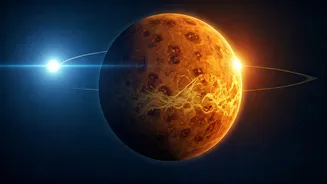
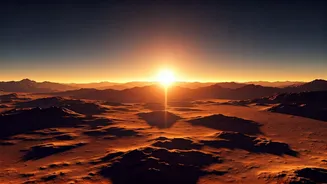
Here’s where it gets even stranger. While a rotational (sidereal) day is 243 Earth days, a solar day on Venus—the time from one sunrise to the next—is a completely different number. Because the planet is rotating backwards while it's also orbiting the Sun, the two motions work against each other in a unique way. The result is a solar day that lasts about 117 Earth days. So, while a full spin takes 243 days, you'd only have to wait 117 days for the Sun to return to the same spot in the sky. This means Venus has roughly two 'sunrises' and two 'sunsets' per year. Imagine a day that lasts for months, followed by a night that lasts for months, all under a permanent, oppressive blanket of sulphuric acid clouds.
Earth's Twisted Sister
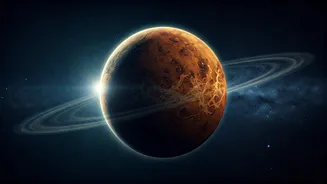
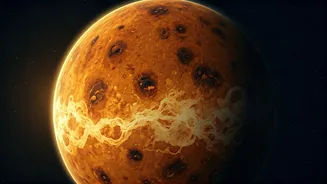
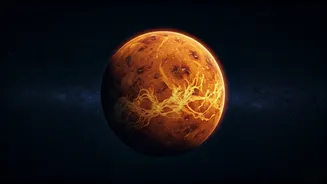
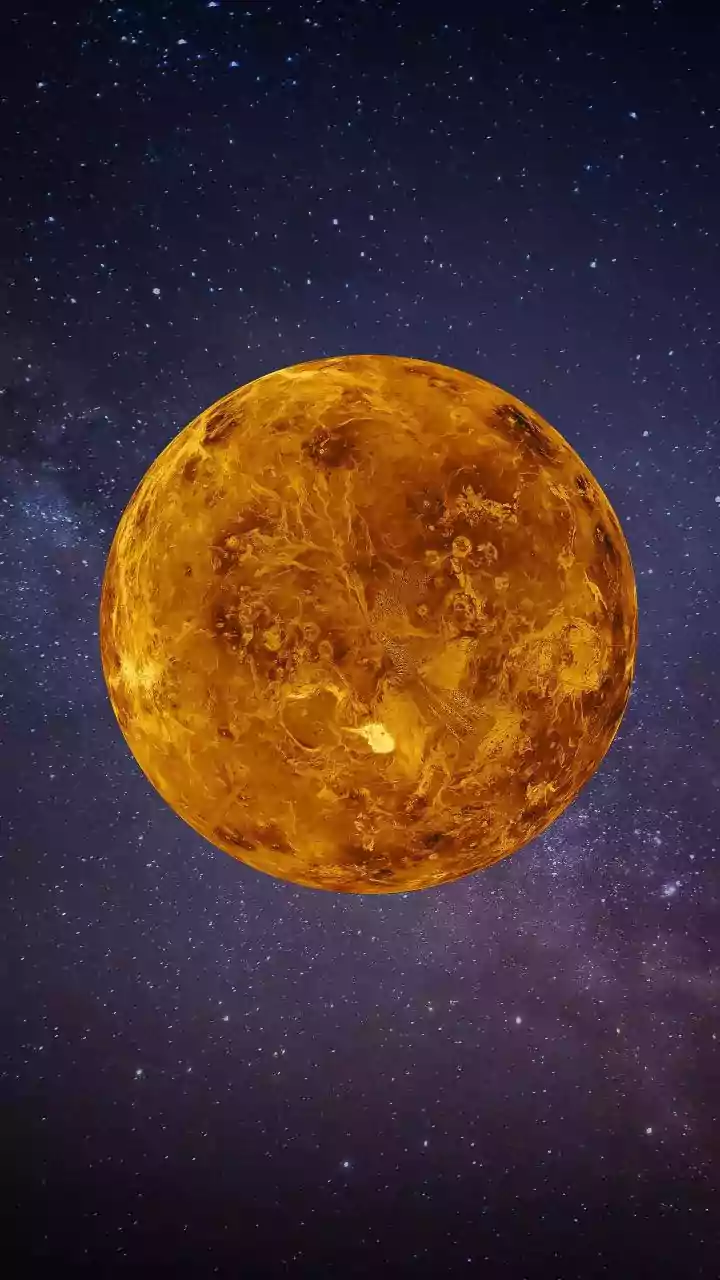
Venus is often called Earth's twin because it's similar in size, mass, and composition. But its developmental path took a terrifyingly different turn. It's a world of extreme pressures that would crush a submarine, surface temperatures hot enough to melt lead (around 465°C), and that bizarre, lethargic day-year cycle. The viral fact about its day being longer than its year isn't just a cool piece of trivia; it’s a symptom of the planet's extreme and alien nature. It highlights how a few key differences in a planet's history—like a runaway greenhouse effect and a weird rotational fluke—can create a world that is profoundly, fundamentally different from our own. It’s less of a twin and more of a cautionary tale written in the sky.