



A New Menu for the Final Frontier
In the bustling city of Hyderabad, scientists at the ICMR-National Institute of Nutrition (NIN) are crafting a menu that is truly out of this world. They are developing specialised food for the astronauts of India's ambitious Gaganyaan mission, which
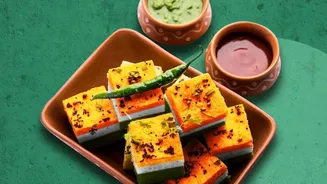
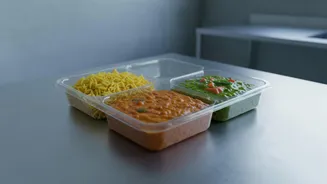
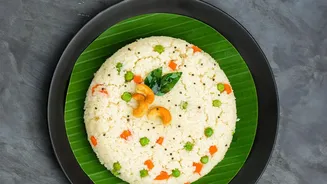
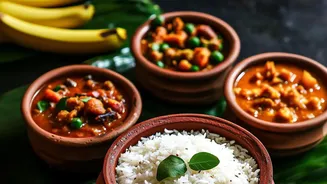
is slated for a 2027 launch. The menu is a departure from the stereotypical tubes of paste, featuring familiar Indian dishes like khichdi alongside chicken nuggets and mutton rolls. This culinary project is a collaborative effort, with Hyderabad's NIN working alongside other institutions like the Defence Food Research Laboratory (DFRL) in Mysuru, which has also been instrumental in creating meals for India's space missions. The goal is to provide a taste of home, ensuring that while the astronauts may be hundreds of kilometres from Earth, their meals are both comforting and culturally resonant.
The Science of Eating in Zero Gravity
Creating food for space is a complex scientific challenge. Meals must be lightweight and compact to save precious cargo space, have a long shelf life without refrigeration, and be nutritionally dense to counteract the physical toll of space travel. One of the biggest hurdles is microgravity itself. Crumbs from normal food like bread can float away, posing a risk to sensitive equipment and air vents. This is why astronauts often use tortillas instead of bread. Furthermore, living in space alters the human body; fluids shift to the head, causing congestion that dulls the senses of taste and smell. This can make food seem bland, leading to what astronauts call 'menu fatigue'. Providing flavourful and varied food is crucial not just for nutrition, but for the psychological well-being and morale of the crew on long missions.
Hyderabad's Special Ingredients
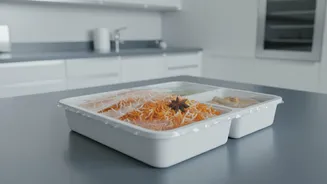
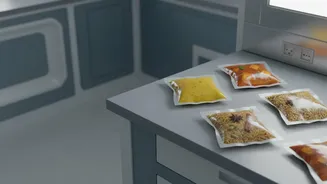
The team at NIN in Hyderabad is tackling these challenges head-on. Their approach involves creating food in semi-solid, ready-to-eat, and dehydrated forms that can be easily reconstituted with a small amount of water. The focus is on ensuring the meals are rich in micronutrients, antioxidants, and Vitamin D, with carefully controlled levels of sodium. Fibre intake is also closely regulated to support gut health in the unique environment of space. By designing a menu with a mix of Indian and continental dishes, they aim to combat menu fatigue and cater to the astronauts' preferences. This work builds on a legacy of Indian space food development, which has seen items from moong dal halwa to idli sambar prepared for various missions.
From Lab to Launchpad
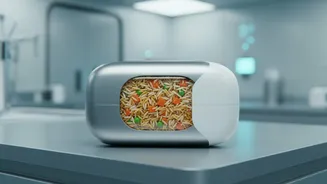
Before any dish makes it to the launchpad, it must undergo rigorous testing. Scientists at NIN are preparing to participate in a 14-day microgravity simulation study to see how their food formulations behave in conditions mimicking space. In this study, participants will remain in a head-down, bed-rest position to simulate the fluid shifts experienced in orbit, performing all daily activities, including eating, in that state. This process is vital to ensure the food is easy to consume and digest in a confined, low-gravity setting. Another Hyderabad-based firm, Ananth Technologies, is working with DFRL to develop a smart 'tiffin box'—a steel container with sensors to carry these meals, merging traditional concepts with advanced space technology. These extensive tests are crucial, as highlighted by the experience of astronaut Shubhanshu Shukla, who noted that of a large menu of Indian foods prepared for a recent mission, only three sweet dishes were ultimately certified for flight due to the lengthy and complex qualification process.