



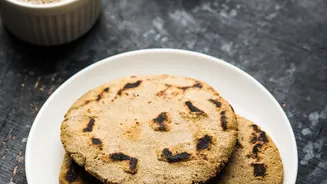
Bajra (Pearl Millet)
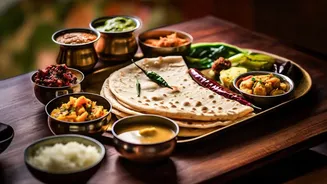
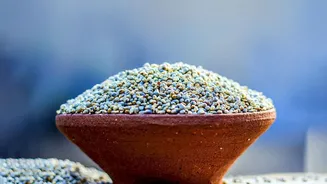
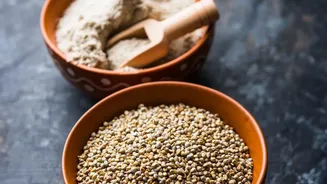
Traditionally seen as a warming food, bajra is a winter staple in many parts of India, especially in Rajasthan, Gujarat, and Haryana. This gluten-free millet is rich in fibre, iron, and magnesium, which helps in maintaining body warmth and boosting immunity.
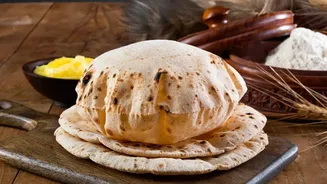
Its high fibre content also keeps you feeling full for longer. The most classic way to enjoy it is in a 'Bajra Roti', a dense, earthy flatbread best served hot with a dollop of white butter and a piece of jaggery. Another comforting preparation is 'Bajra Khichdi', where the millet is cooked with moong dal and mild spices into a wholesome one-pot meal.
Sarson ka Saag (Mustard Greens)
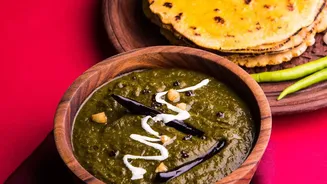
No winter food list is complete without the mention of Sarson ka Saag, a quintessential Punjabi delicacy. These pungent, vibrant greens are packed with antioxidants and vitamins A, C, and K, which support immunity and bone health. The slightly bitter taste of mustard leaves is traditionally balanced by adding other greens like spinach and bathua. The greens are slow-cooked with ginger, garlic, and onions until they achieve a creamy, coarse texture. A final tempering of ghee enhances its rich flavour. It is famously served with Makki ki Roti.
Makki (Maize Flour)
The perfect partner to Sarson ka Saag, Makki ki Roti is a gluten-free flatbread made from maize flour. Popular in North Indian states like Punjab, this roti has a slightly sweet, earthy flavour and a soft, grainy texture. Because maize flour lacks the gluten that binds wheat dough, making these rotis can be tricky as they tend to crack. The traditional method involves using warm water to knead the dough and then patting it into shape by hand. A generous smear of butter or ghee on the hot roti makes it an irresistible winter treat.
Methi (Fenugreek Leaves)
Fresh methi leaves, with their distinct aroma and pleasantly bitter taste, are a winter favourite across India. These greens are a good source of iron, calcium, and several vitamins. They are incredibly versatile and used in a variety of dishes. 'Aloo Methi', a simple stir-fry of potatoes and fenugreek leaves, is a beloved homestyle dish. 'Methi Thepla', a spiced flatbread from Gujarat, makes for a perfect breakfast or travel snack. The leaves can also be added to dals for extra flavour and nutrition or cooked into a rich, creamy curry like 'Methi Matar Malai'.
Jowar (Sorghum)
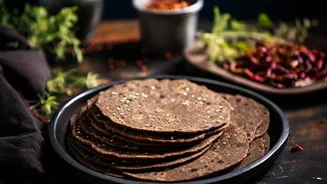
Jowar is another nutritious, gluten-free millet that gains popularity during winter for its warming properties. It is packed with iron, calcium, and fibre, providing sustained energy. Like bajra, jowar can be used to make 'Jowar Roti' or 'Bhakri', offering a healthy alternative to wheat chapatis. The flour can also be used to make savoury pancakes or 'chillas', dosas, and even a comforting porridge. Its versatility allows it to be easily incorporated into daily meals, helping to regulate body temperature and support digestive health.
Bathua (Lamb's Quarters)
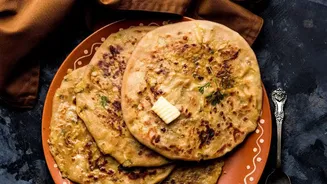
Often considered a humble weed, bathua is a highly nutritious winter green, also known as lamb's quarters or goosefoot. It is rich in fibre and micronutrients like Vitamin A and C. Bathua has an earthy flavour, similar to spinach, and is used in many North Indian preparations. One of the most popular uses is in 'Bathua Raita', where blanched and pureed leaves are mixed into yogurt with spices. It's also commonly added to dough to make flavourful 'Bathua Parathas' or cooked as a simple 'sabzi'.
Amaranth Greens (Chaulai Saag)
Available in both red and green varieties, amaranth leaves, known as Chaulai or Rajgira, are a nutritional powerhouse. They are rich in iron, calcium, and vitamins, making them excellent for boosting immunity. The leaves have a mild, slightly sweet flavour and can be cooked in numerous ways, similar to spinach. A simple stir-fry or 'poriyal' with onions, garlic, and coconut is a popular South Indian preparation. Amaranth leaves can also be added to dal, made into a sambar, or blended into a nutritious raita.